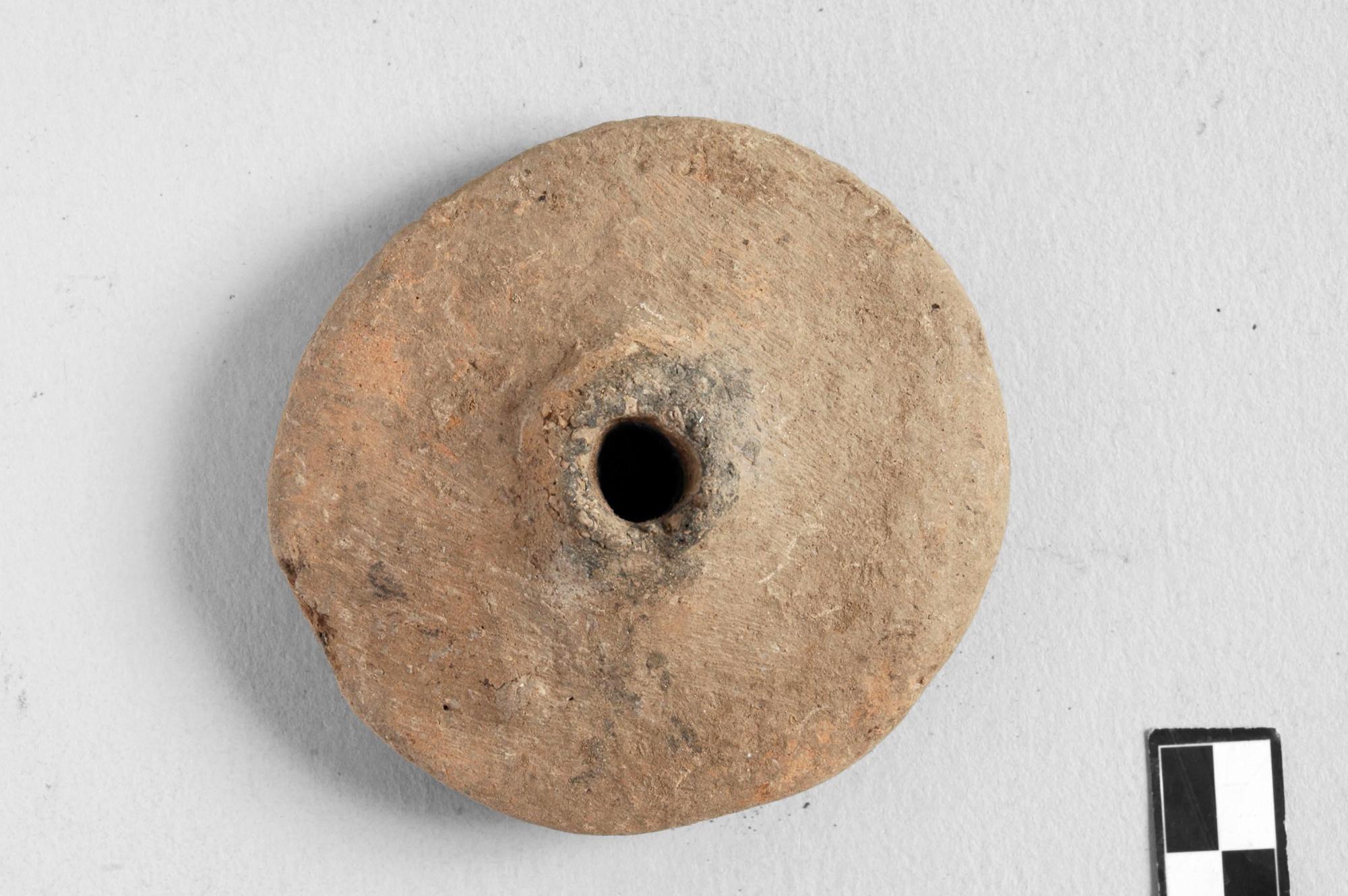
THE CHANGING HORIZONS OF MATERIAL CULTURE: a study of the locations of everyday and symbolic activities through a multi-level analysis of objects from Late Copper Age settlements
Project no. 129332 has been implemented with the support provided from the National Research, Development and Innovation Fund of Hungary, financed under the K_18 funding scheme.
Time frame
1st of December 2018 – 30th of November 2022
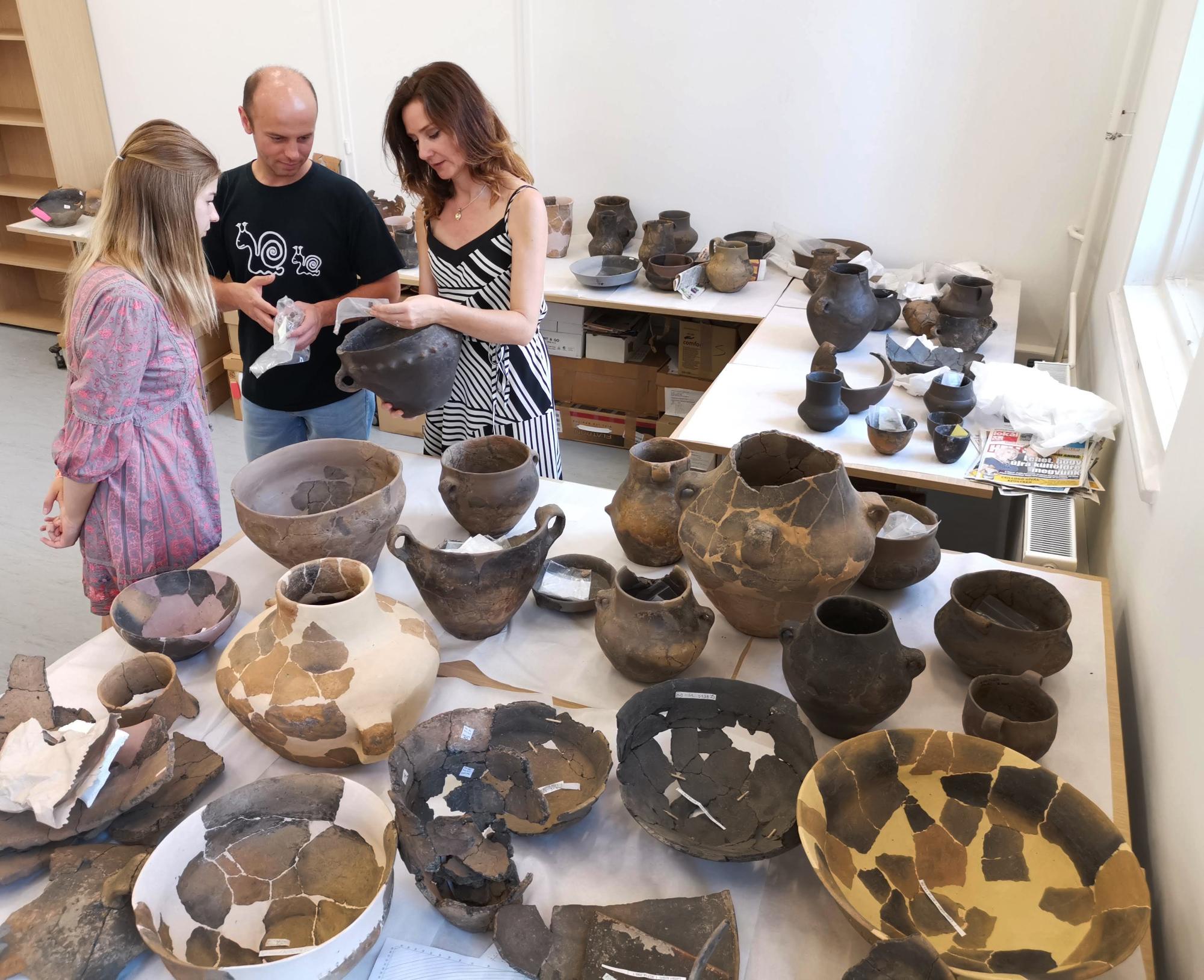
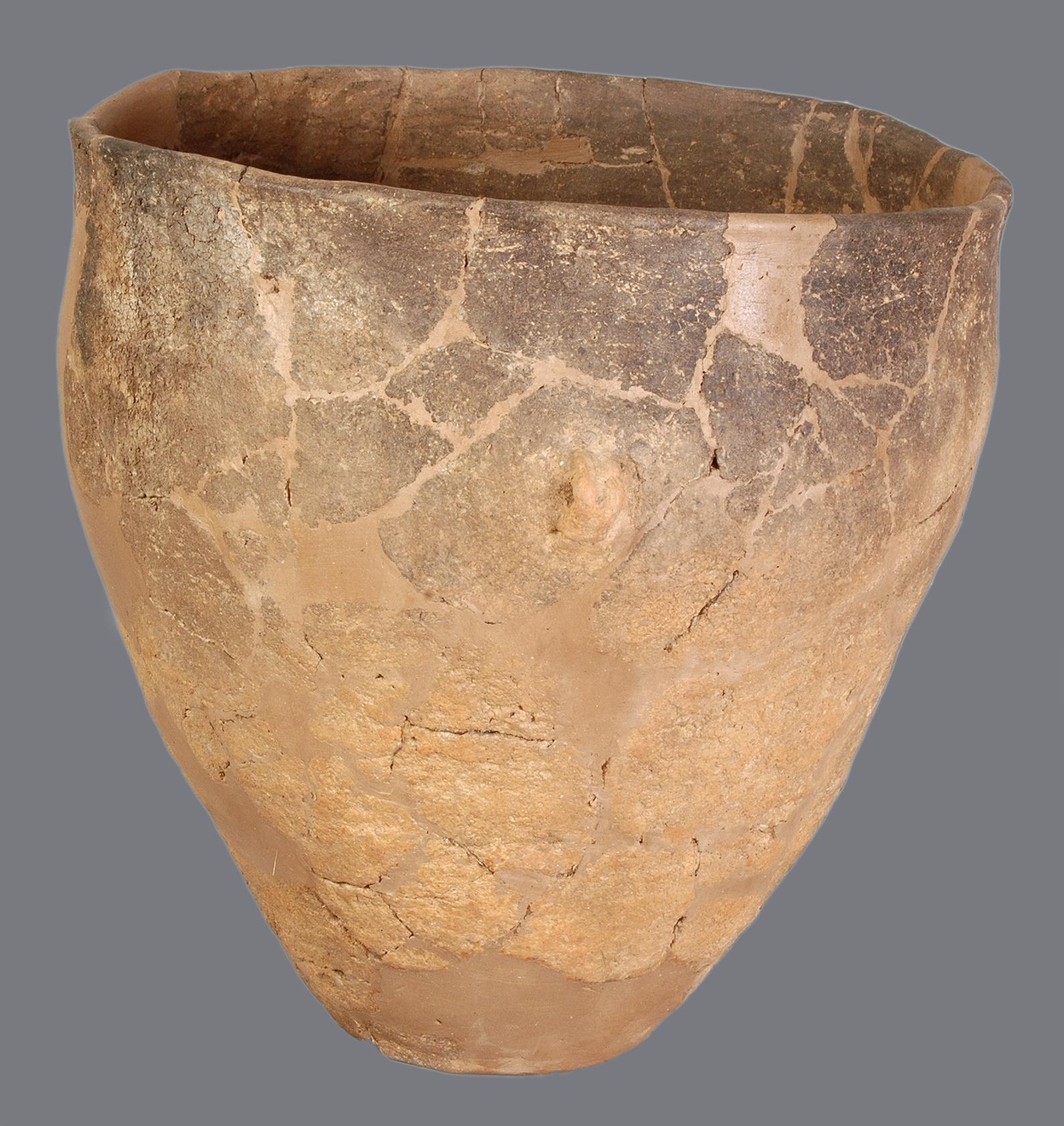
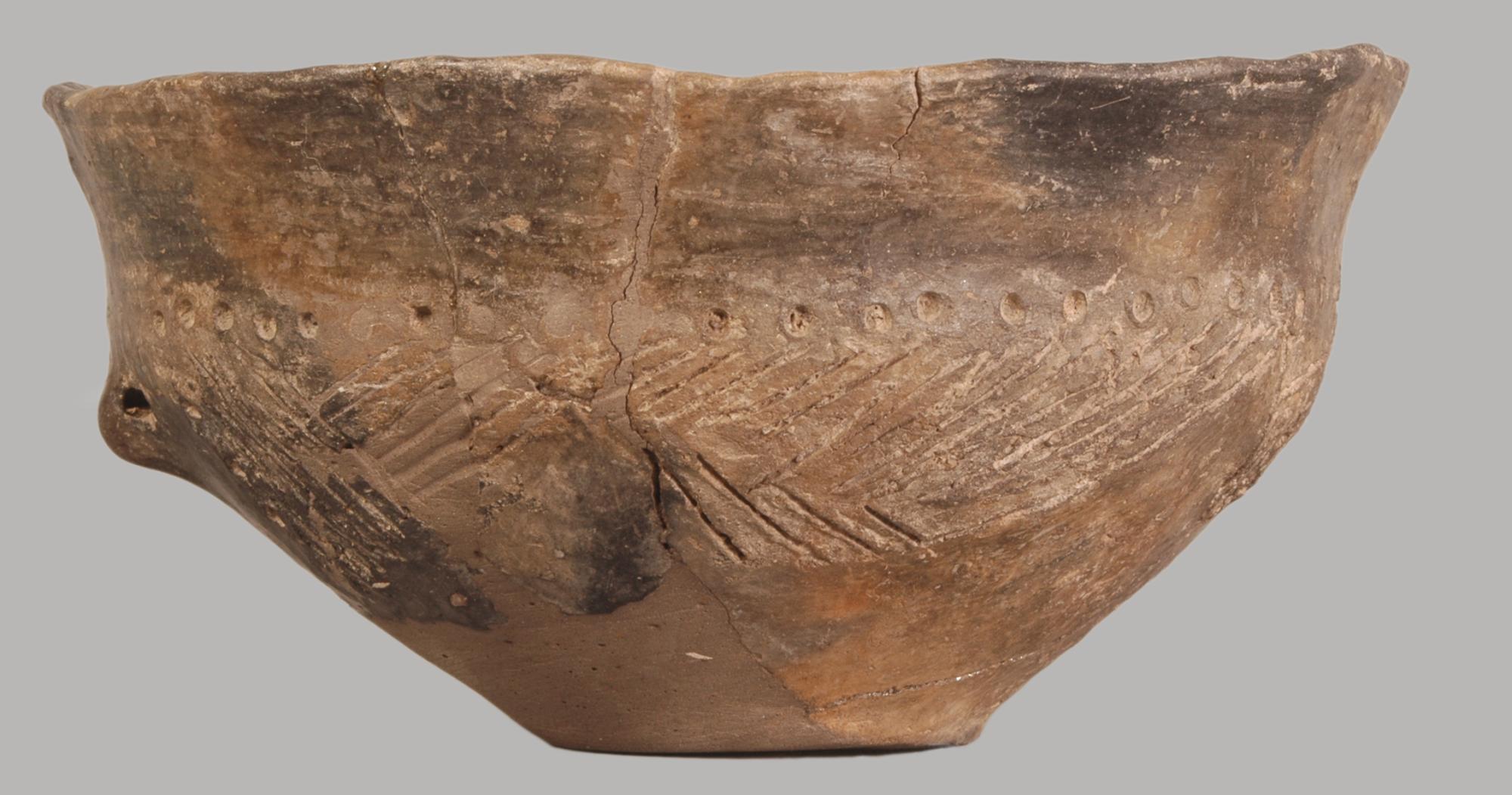
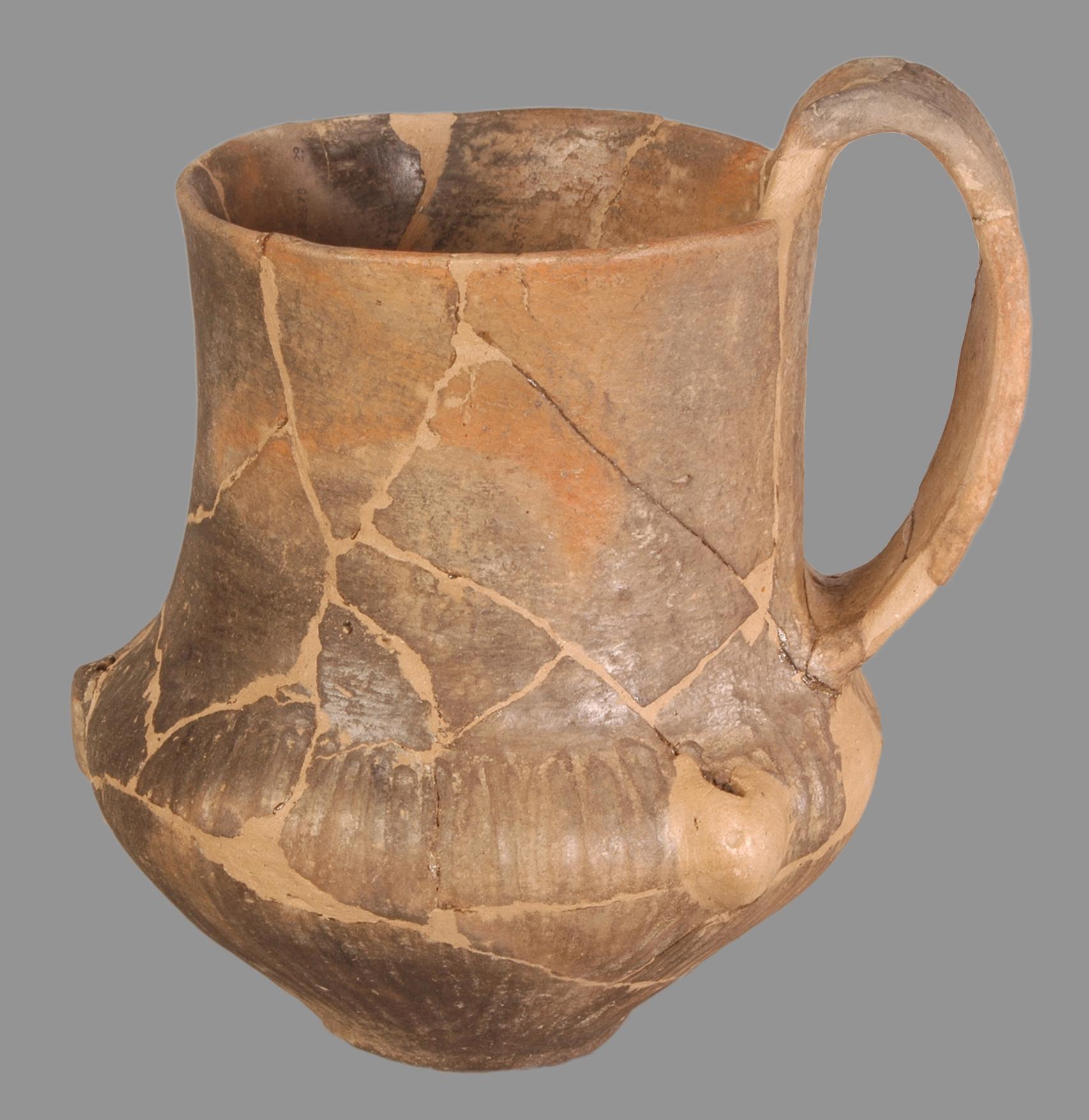
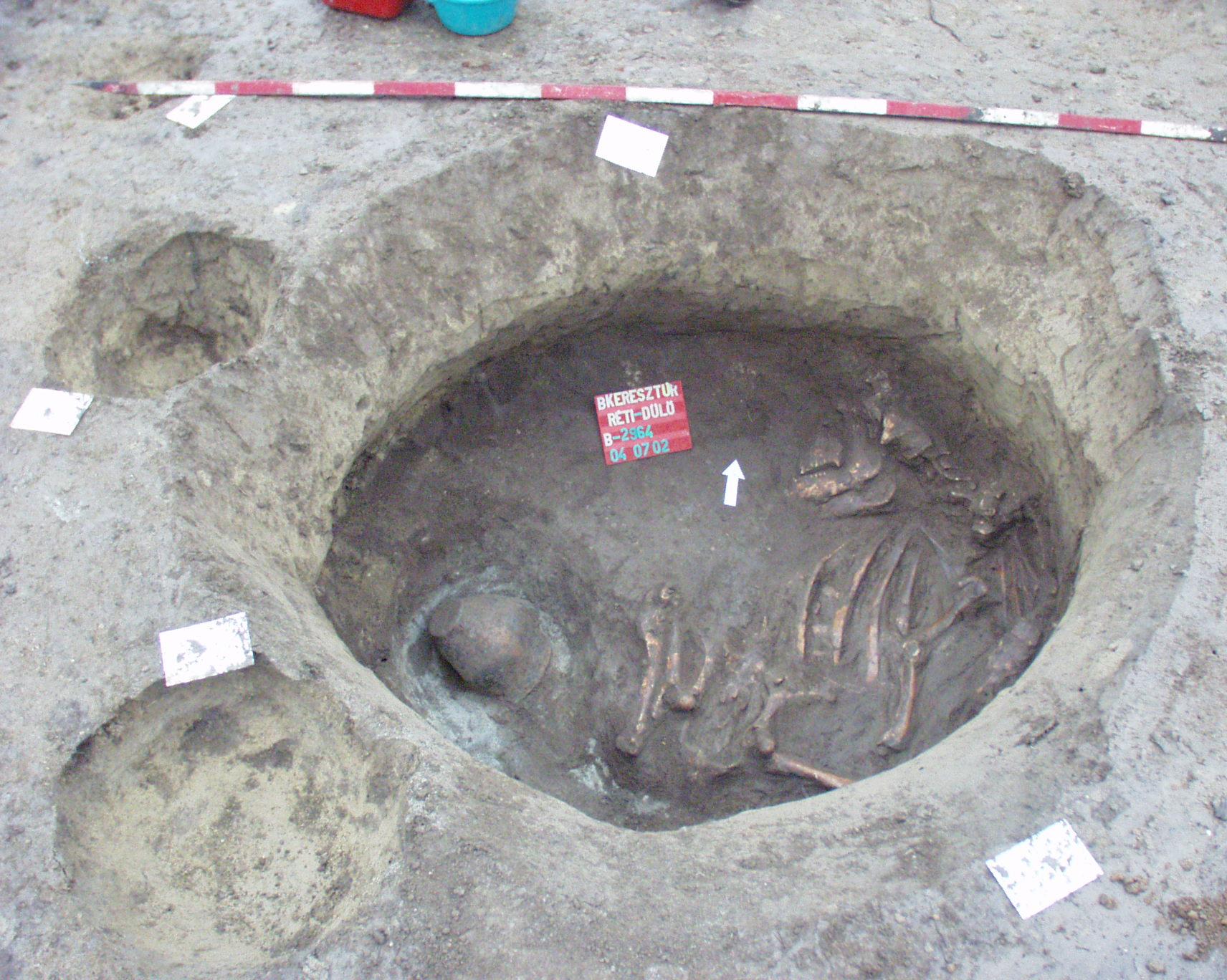
Daily life and settlement organization in the Baden cultural complex remain poorly understood, despite decades of research on Late Copper Age and Early Bronze Age typo-chronologies. Funded by the National Research, Development and Innovation Office Fund (NRDI Fund K_129332), the project “The changing horizons of material culture” was developed to provide deeper understanding of the use of space and activity areas in Baden settlements by bringing together researchers from several different Hungarian research institutions. The scientific research project is housed by/tale place in the Hungarian National Museum.
Aims of the research project
One of the aims of the project is the development of a methodology to identify household units at Late Copper Age settlements. Through the delineation of households and their comparisons based on standard criteria it will be possible to differentiate between the character of the activities carried out within them and determine whether any division of labour existed between households. Through the research of the smallest social unit – the household – we will be able to discover if all activities were carried out within all the households, or if there were some that can be connected to only certain households or locations, and were carried out at a higher organizational level than that of the household. In addition to identifying household units, a second aim is to reconstruct the package of utensils (vessels, implements) and phenomena that can be regarded as a household set. Furthermore, we will analyse if there are any recurring patterns that point beyond the level of households, and if these sets and patterns appear in the activities of higher communal spaces. As a result of the multi-directional approach and the analysis of the locations of everyday and symbolic activities, we will attempt to reconstruct the organizational levels of Late Copper Age communities at increasingly complex scales, from which we will be able to draw conclusions about the prime movers of the cohesion of the so-called Baden complex.
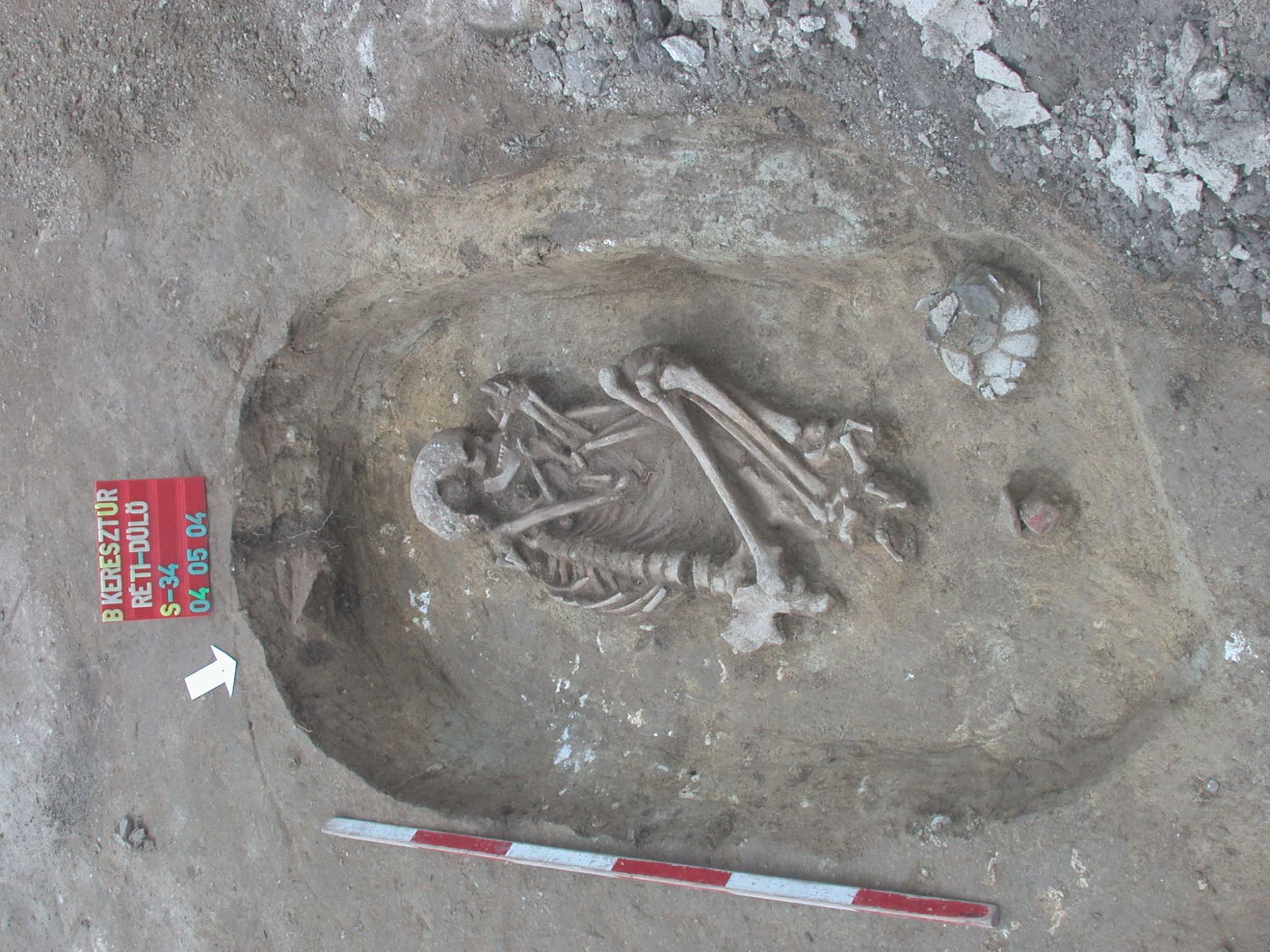
To understand the social changes behind the distribution of seemingly identical material culture in the second half of the fourth millennium BC, we need to know the medium where the processes took place. Among many other questions, we still lack necessary knowledge about the internal structure of Late Copper Age settlements, the locations of activity areas and the social organization of human communities. The main goal of our new project is to delineate the smallest social units, the households at Late Copper Age settlements, and to develop a methodology to identify them. This research is especially important, since very few house remains have been detected at most Baden sites, and therefore we cannot start from the relationship between the building remains and other excavated features. By locating and examining the smallest identifiable social unit, we can achieve a better understanding of everyday and ritual activities, and we will be able to explore the processes that influence social organization.
Project significance
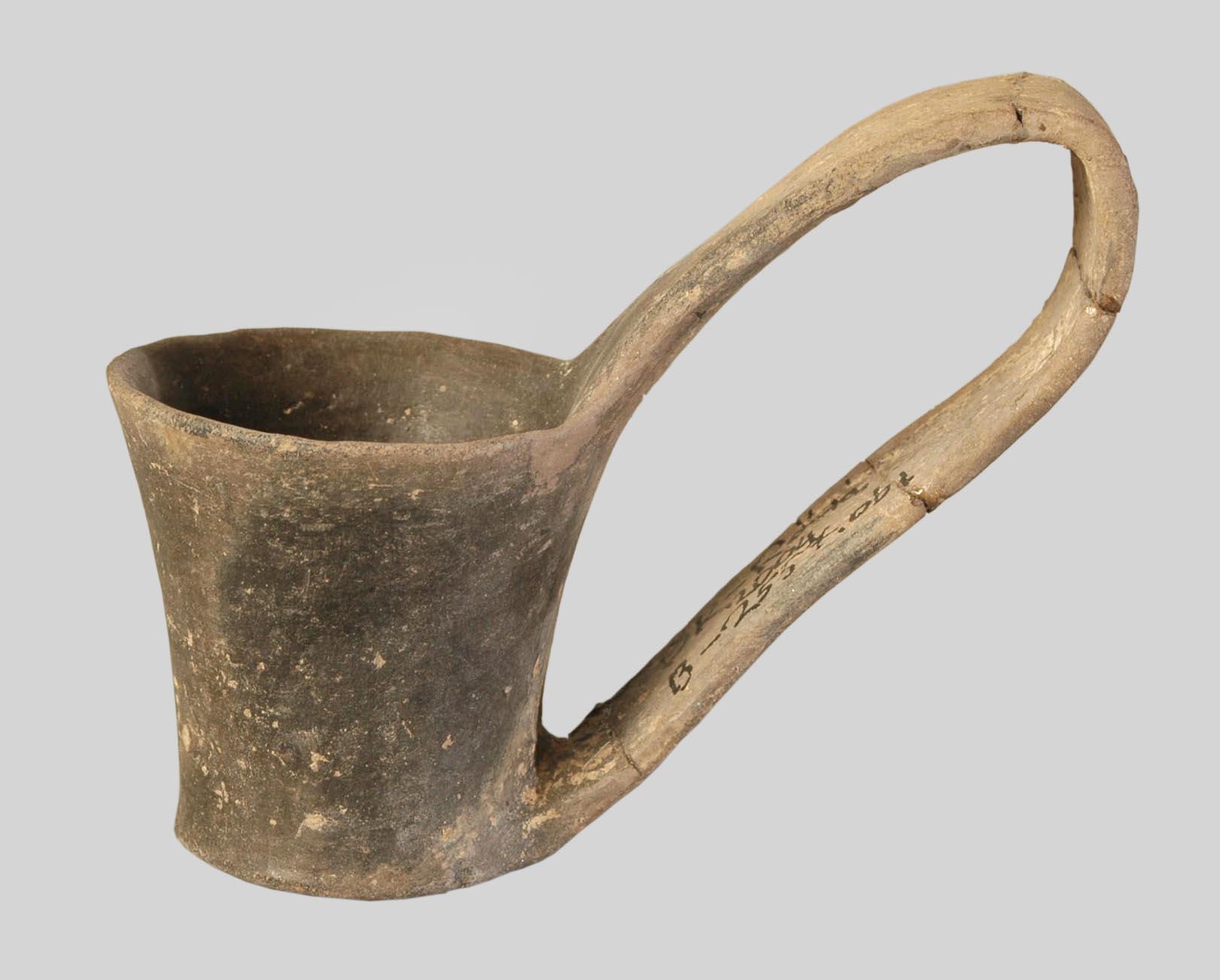
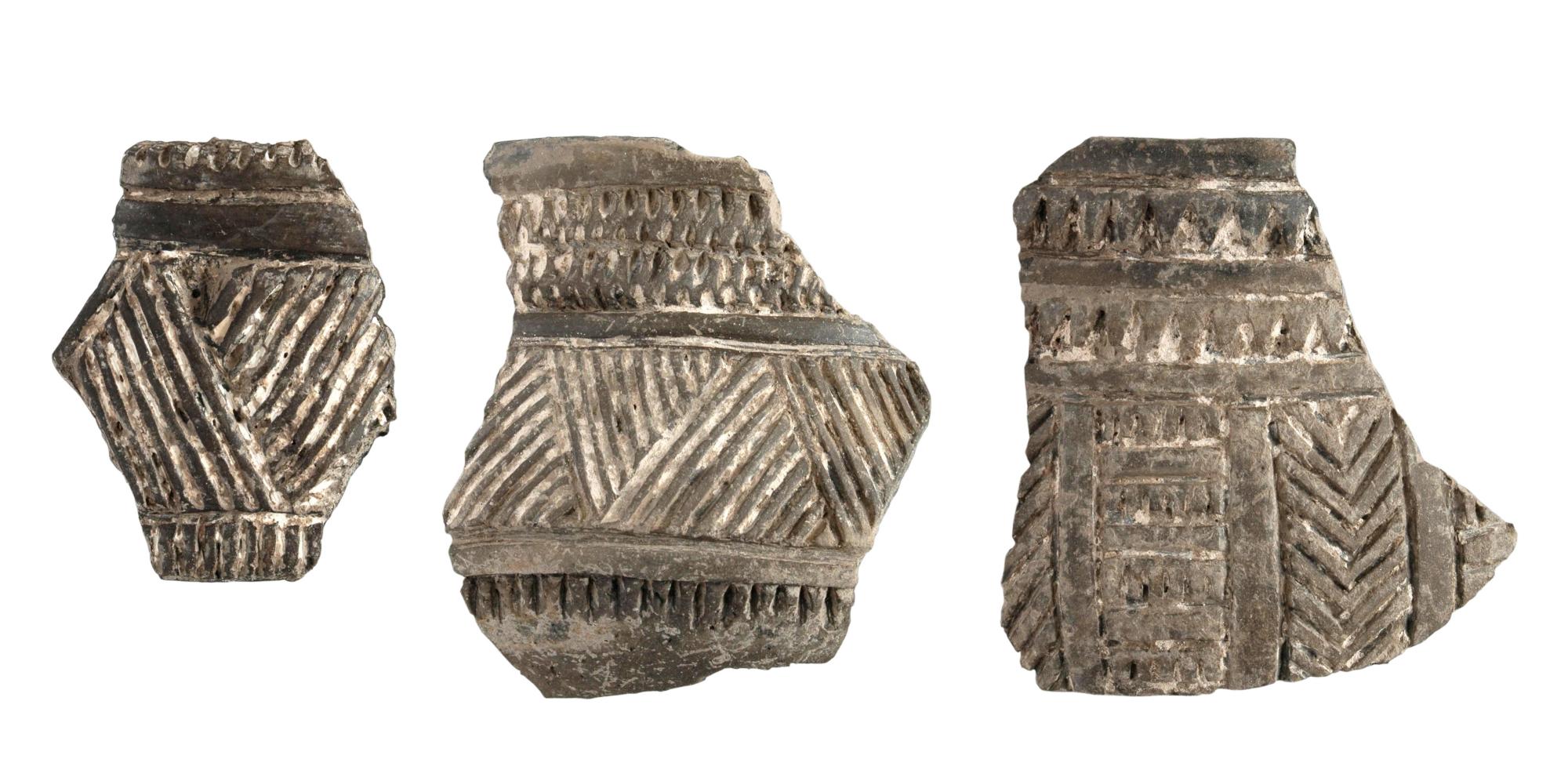
Studies of the past decades have already started questioning the widely accepted notion of the Baden complex as a homogeneous culture, as often interpreted based on the material culture. Recently, this complex culture, which emerged in large territories of Central Europe in the second half of the 4th millennium BC, is considered as a loose set of communities unified by some cultural cohesion. In order to clarify this question and to distinguish the sets together with the groups of features and objects, the project will analyze domestic pottery and other material remains that form an organic part of everyday life (utensils, tools) according to qualitative, quantitative and semiotic aspects, prioritizing the distribution and mutual relationships of the given find materials. Beside the identification of the locations of everyday activities, we place an emphasis on the identifiable traces of the social activities of the communities under investigation. The study of the sets that represent these enables the observation not only of the use of space, but also of the cyclicality of the life of the community, and through this the interpretation of the regulation of repetitive phenomena pointing beyond the ordinary becomes possible. The above-discussed investigations will be performed at seven Late Copper Age sites belonging to various geographic regions according to a uniform methodology. Our results will enable conclusions with regard to structural differences hidden behind the seemingly homogenous material culture as well as to the power of higher-level cohesion that lies behind similarities that are being present despite of the structural differences. Thus, the planned project will become an important step towards the research on the settlement patterns and social organization of the Late Copper Age, primarily the Baden period.
Additionally, the methodology applied to identify household units could serve as a starting point for other research dealing with similar questions of settlement patterns in other periods.
Research team
Lead researcher
Fábián, Szilvia, PhD (Hungarian National Museum, Budapest Hungary)
Team participants:
Csippán, Péter PhD (Archaeological Institute of ELTE Faculty of Humanities, Budapest Hungary)
György, László PhD (Castle Headquarters NLtd., Budapest Hungary)
Rajna, András PhD (Ferenczy Museum Center, Szentendre Hungary)
Marton, Tibor PhD (Research Centre for the Humanities of HAS, Institute of Archaeology, Budapest Hungary)
Serlegi, Gábor PhD (Research Centre for the Humanities of HAS, Institute of Archaeology, Budapest Hungary)
Priskin, Anna (Déri Museum, Debrecen Hungary)
Czifra, Szabolcs (Hungarian National Museum, Budapest Hungary)
Berente, Zoltán (Hungarian National Museum, Budapest Hungary)
Klinga, Flóra (Hungarian National Museum, Budapest Hungary)
Daróczi-Szabó, Márta (Budapest Historic Museum, Budapest Hungary)