Room 11 / István Széchenyi and his age (Hungarian Reform Era)
At the beginning of the 19th century, Hungarian society was composed of a stratified nobility, a peasantry living in increasingly dependent serfdom, and a small number of ethnically mixed bourgeoisie. The high proportion of the lesser nobility and their significant political involvement is a typically Central and Eastern European characteristic feature. In the 1830s, it was the lesser nobility that represented the social base of the Reform Era, assuming the role of the "third estate" and acting as a new type of opposition to the feudally structured absolutism of the Habsburg Monarchy represented by Chancellor Metternich, in the search for economic and social modernisation and internal national autonomy. From 1825 onwards, on the Reform Era Diets a new political movement emerged where the lesser nobility took the lead. Besides estate-based grievance politics it was based on the ideas of the European Enlightenment and liberalism, demanding bourgeois reforms that went beyond estate-based nationalism.
In addition to documents relating to the political events of the Reform Era, relics and painting belonging to the most important personalities – István Széchenyi, Chancellor Metternich, Franz I, and Palatine Joseph of Hungary – offer an accurate portrayal of the period of the first half of the 19th century. Visitors can follow Széchenyi's modernisation efforts, focusing on the building of the Chain Bridge, a symbol of the Reform Era, and the activities of the Reform Era Diets. The salon suite on display reflects the lifestyle of the nobility at the time, and the overall picture is further detailed by a nobleman's attire.
Fun facts:
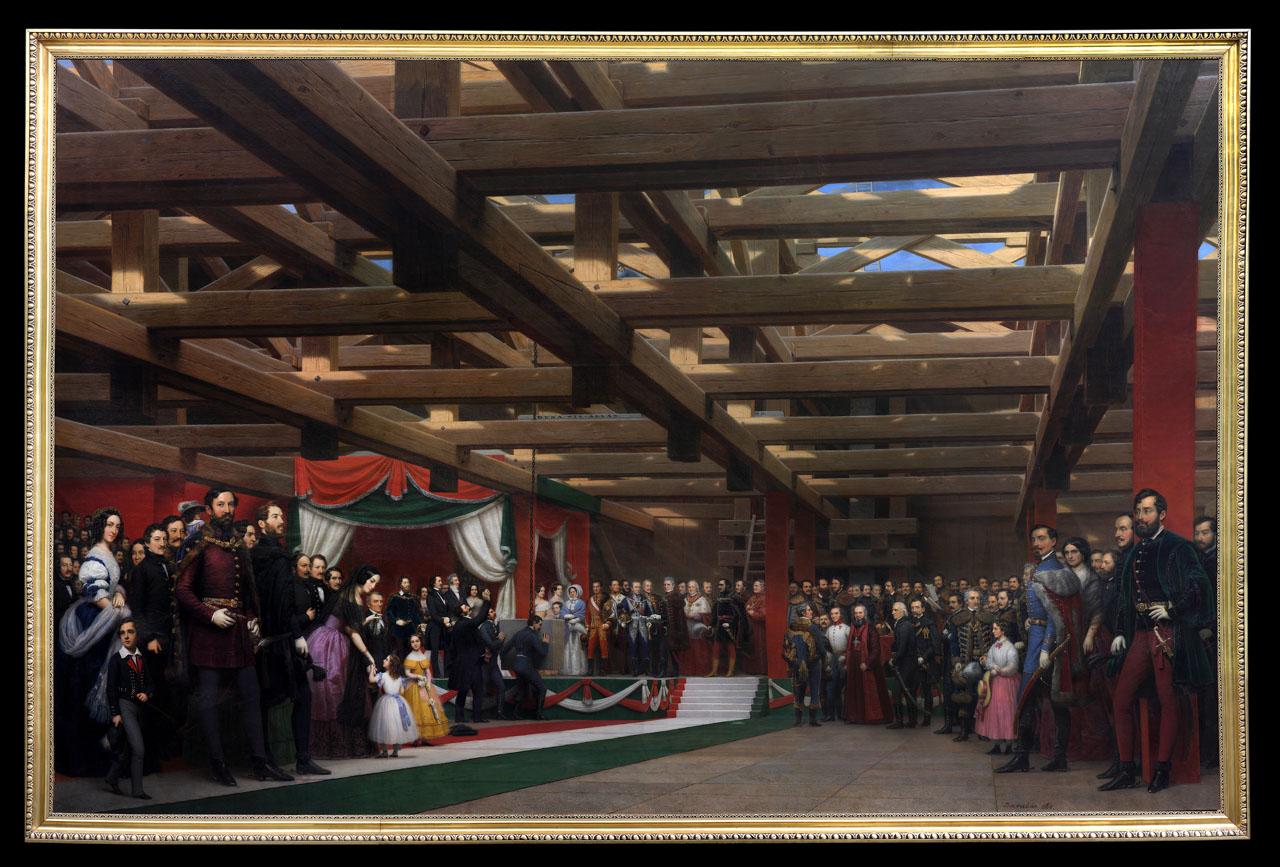
- The laying of the foundation stone of the Chain Bridge in 1842 was depicted only 22 years later by Miklós Barabás. A drawing in the showcase beneath helps us recognise the people depicted.
- Archduke Joseph, who served as Palatine of Hunfary, represented Hungarian interests as opposed to his brother, the Emperor and King Franz I. He also played a prominent role as a patron of the cause of the Hungarian National Museum.
Early in his reign he became involved in the French Revolution and later in the wars against Napoleon. His military losses forced him to give up territory, which was only returned to Austria after Napoleon's defeat at the Congress of Vienna in 1815. In 1804, he took the title of Emperor of Austria and in 1806, he renounced the title of Holy Roman Emperor, thus dissolving the German-Roman Empire. The status quo in Europe after the Napoleonic Wars, was sanctified by the Austro-Prussian-Russian Holy Alliance in 1815, which stood united against all revolutionary and liberal views. The emperor's absolutist ambitions were supported by the bureaucratic administration of the state, with Prince Metternich as advisor and Chancellor of State. The Hungarian estates initially supported the monarch, but the devaluation of the currency, announced in 1811 and 1816 due to war costs, caused outrage in Hungary. After 1812, the monarch did not convene the Hungarian Diet until 1825. From 1825 onwards, Reform Era Diets held in the Hungarian capital began to dismantle the feudal structure and to bring about bourgeois transformation.

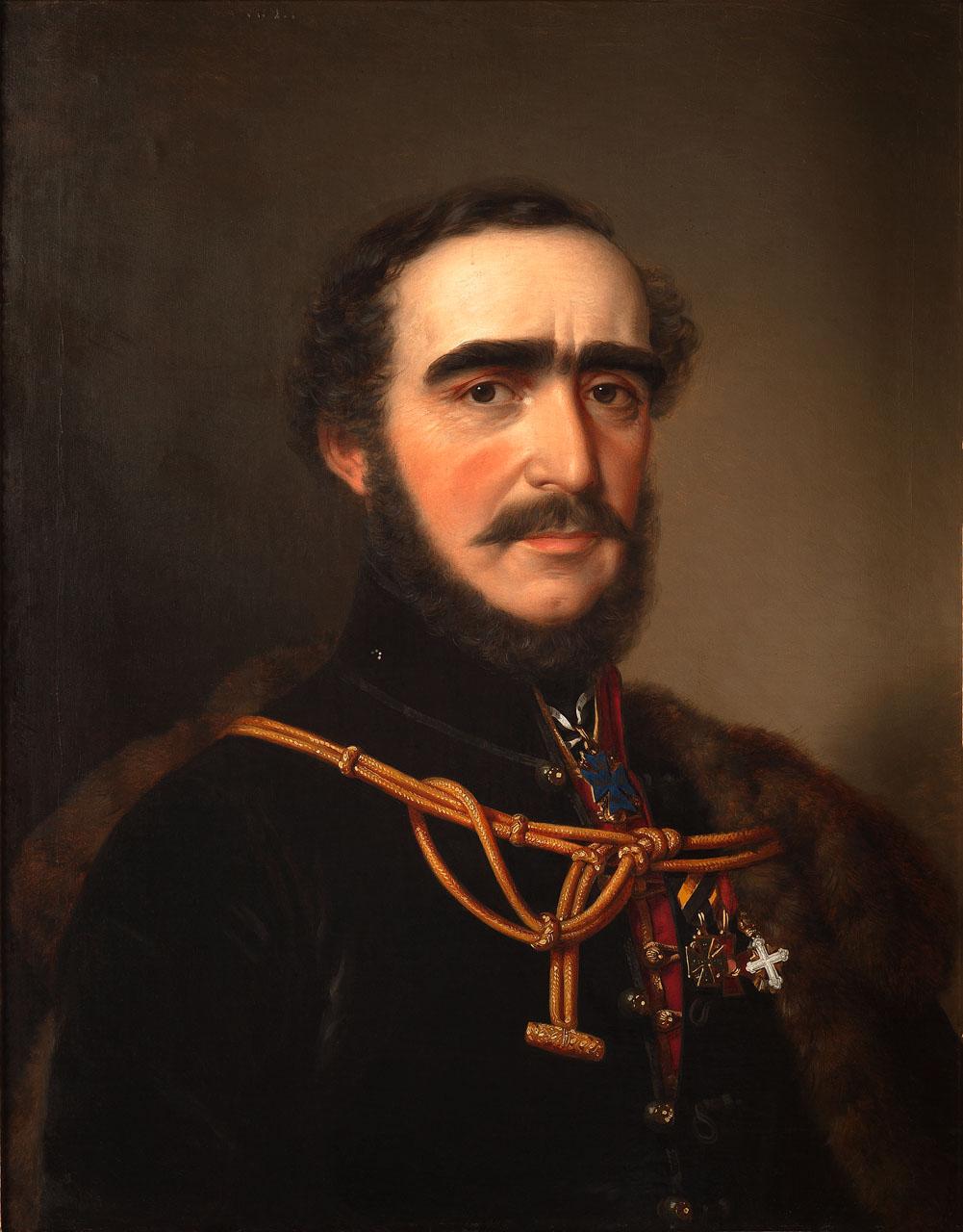
Count István Széchenyi, initiator of the Hungarian reform movement, donated one year's income of his estates to the Hungarian Academy of Sciences at the 1825 Diet. His many impressive achievments served the creating of modern Hungary. He founded a casino (club) to discuss political, economic and social issues. In his works (Credit, World, Stage), he outlined the first comprehensive programme for the rise from feudal misery to bourgeois conditions. The high point of his numerous reform initiatives was the construction of a permanent bridge, the Chain Bridge, linking Pest and Buda, and upturning economic activity and transport so that the medieval towns on both banks of the Danube could be transformed into one major city, a true Hungarian capital, which could rival Vienna in attracting the royal centre of the entire Habsburg Empire to the banks of the Hungarian Danube.
Not only is the Chain Bridge Hungary's first permanent bridge over the Danube, it is also a symbol of the unification of the capital, the Reform Era and the renewal of Hungary. The Chain Bridge was also the first example of public taxation in Hungary, through the obligation to pay tolls on bridges, and thus became a symbol of bourgeois modernization efforts. The ceremony took place on August 24, 1842 in the presence of Archduke Joseph, Palatine of Hungary and the cultural, financial and political elite of the country.
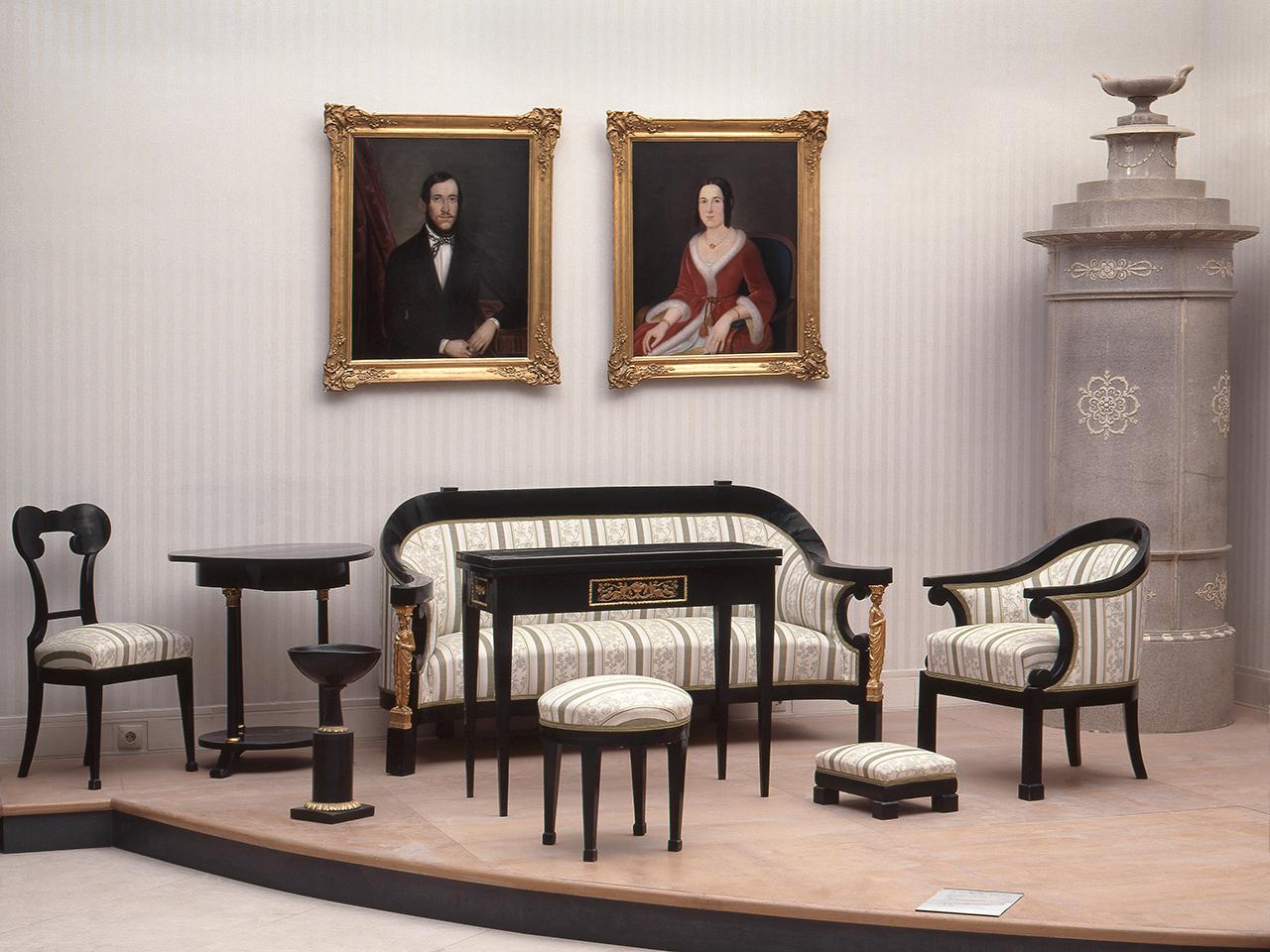
Furniture of the mansion of Dániel Csapó (1778–1844), a Reform Era agrarian politician, in the Hungarian Empire style, following the classical style of English furniture design (early 19th century).
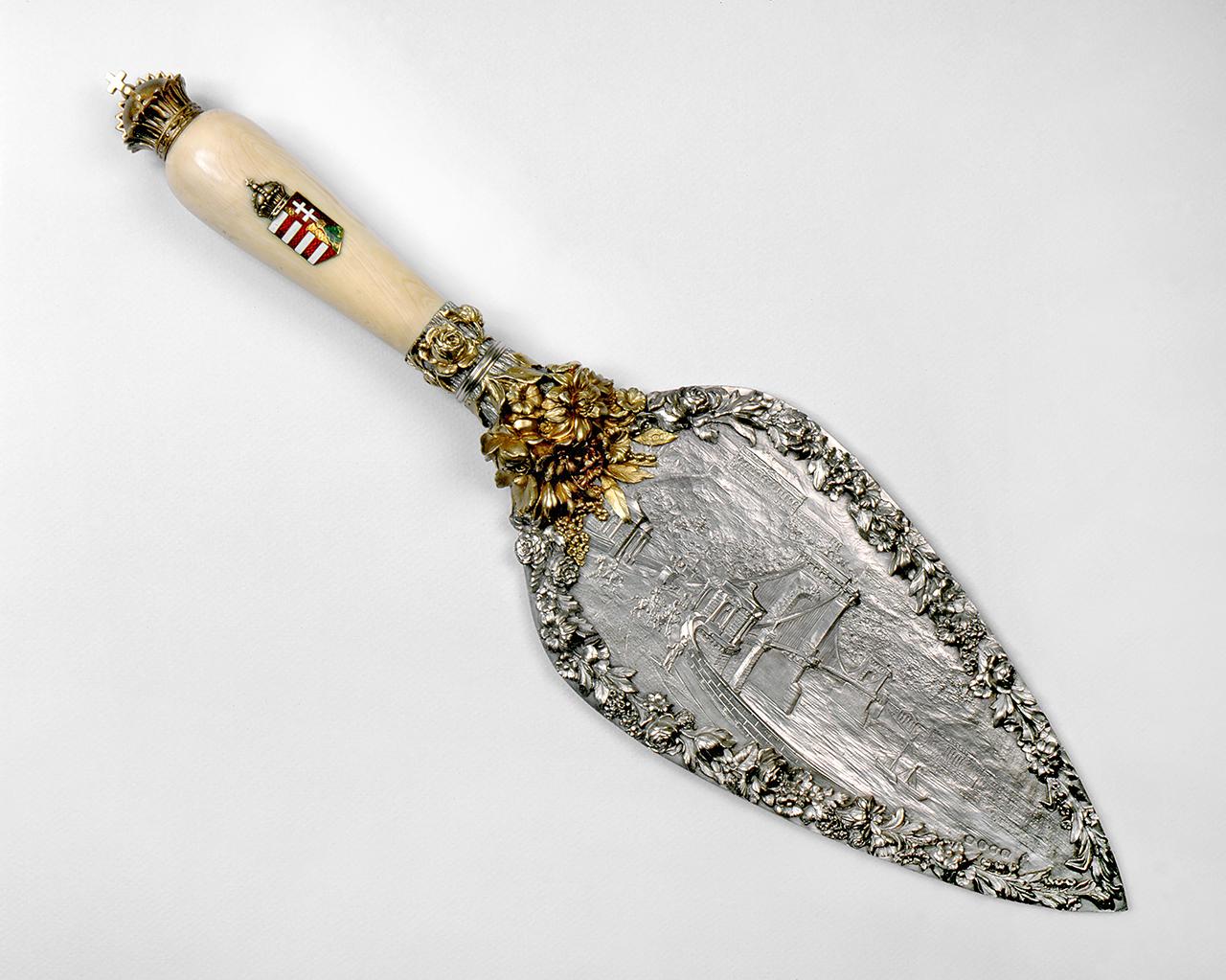
The decorative plastering trowel used for the laying of the foundation stone of the Chain Bridge. Crafted by Mortimer Hunt, 1842, London (silver, ivory, enamel).