Room 10 / Hungary in the 18th century
In the 18th century, the Kingdom of Hungary, liberated from Ottoman rule, developed within the framework of the Habsburg Empire. Charles III acknowledged Hungary's independence, territorial integrity and the need to be governed by its own laws. On the left wall of the room, the portraits of the successive Habsburg rulers Charles III, Maria Theresa and Joseph II represent political history, while on the other wall, visitors may observe the stratification of society and religions in the light of the artefacts. The way of life of the aristocracy is represented by Hungarian-style and court (French-style) ceremonial attires and jewellery, and the material environment shows the shift in the lifestyles of various social groups. It is worth comparing, for example, a Baroque bookcase with a more modestly designed vernacular Baroque storage cupboard, which served a similar purpose.
Fun facts:
- Here you can see the broadsword with which the Hungarian Jacobins were executed at the Vérmező (on the Buda side of today's Budapest).
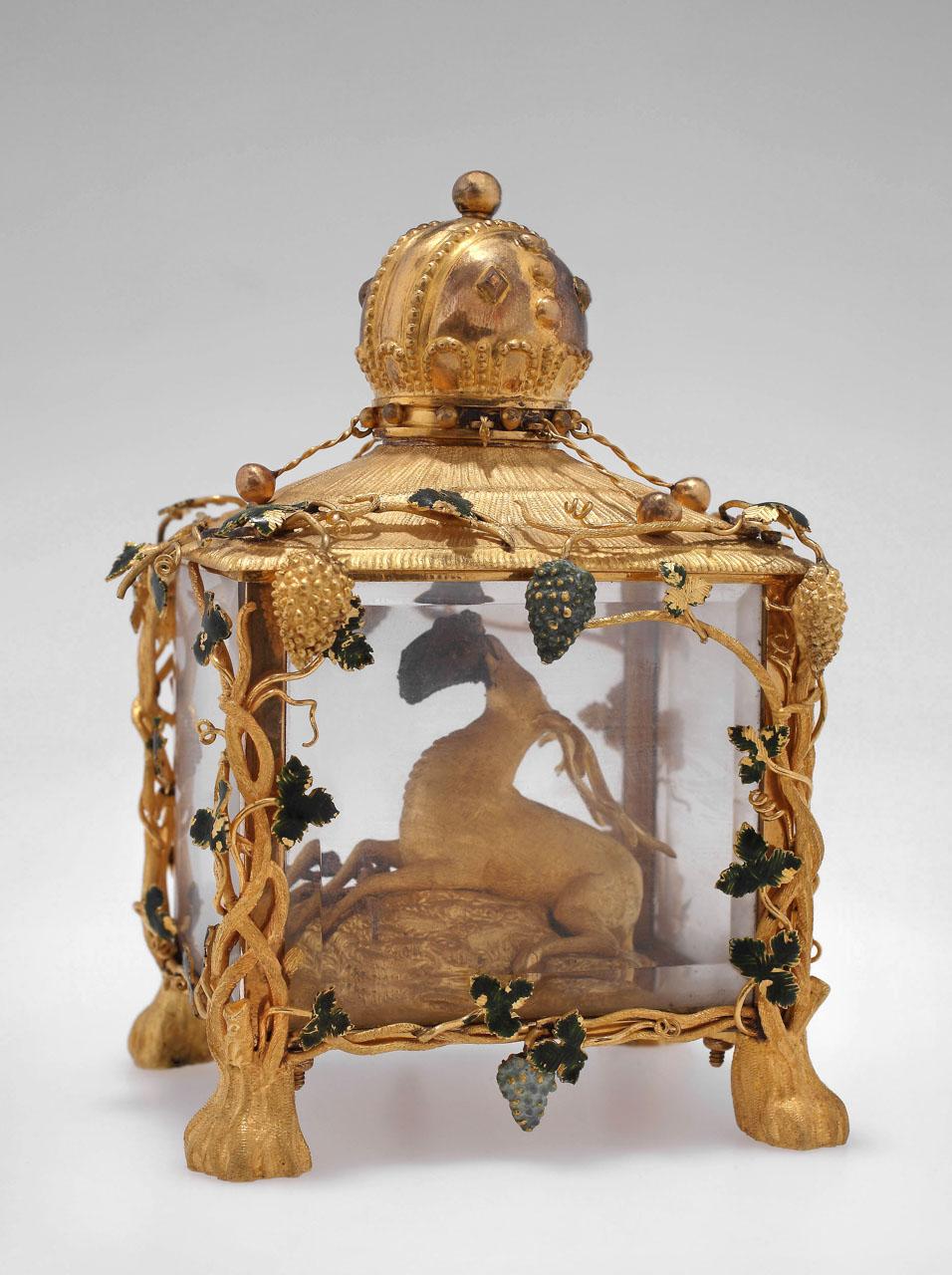
- According to wine drinkers of the time, Tokaji Aszú owes its special flavour to the gold found in the hillside. A unique relic of this assumption is the fine gold and glass casket containing a single berry of Tokaj grape.
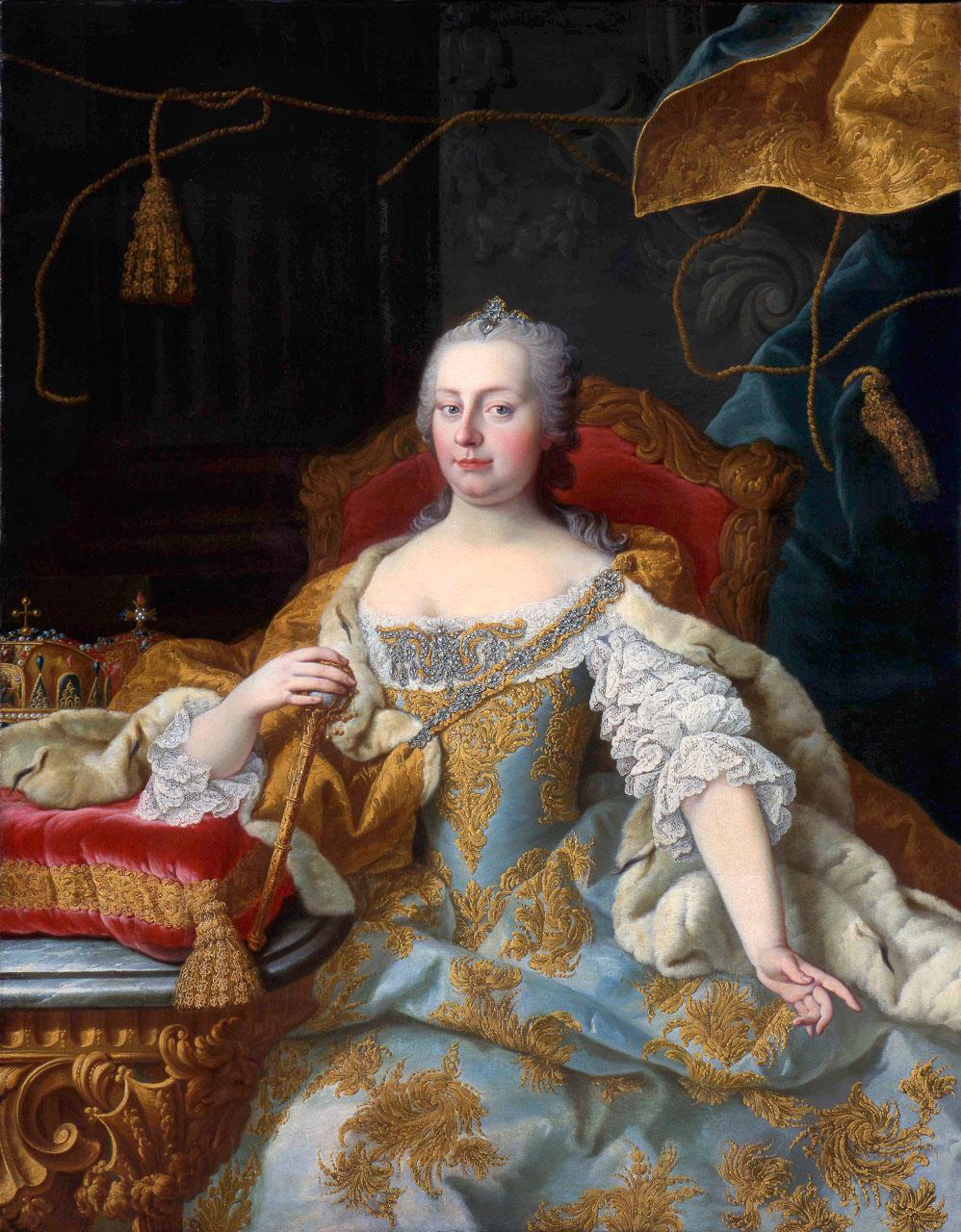
The picture once hung on one of the walls of Bánffy Castle in Bonchida (today: Bonțida, Romania), in the so-called Maria Theresa Room, along with a portrait of Francis I of Lorraine. It is possible that the portraits were acquired around 1750 by Dénes Bánffy, the Master of the Horse and Lord Lieutenant, owner and builde of Bonchida Castle and had a full-length portrait of himself painted by Meytens.
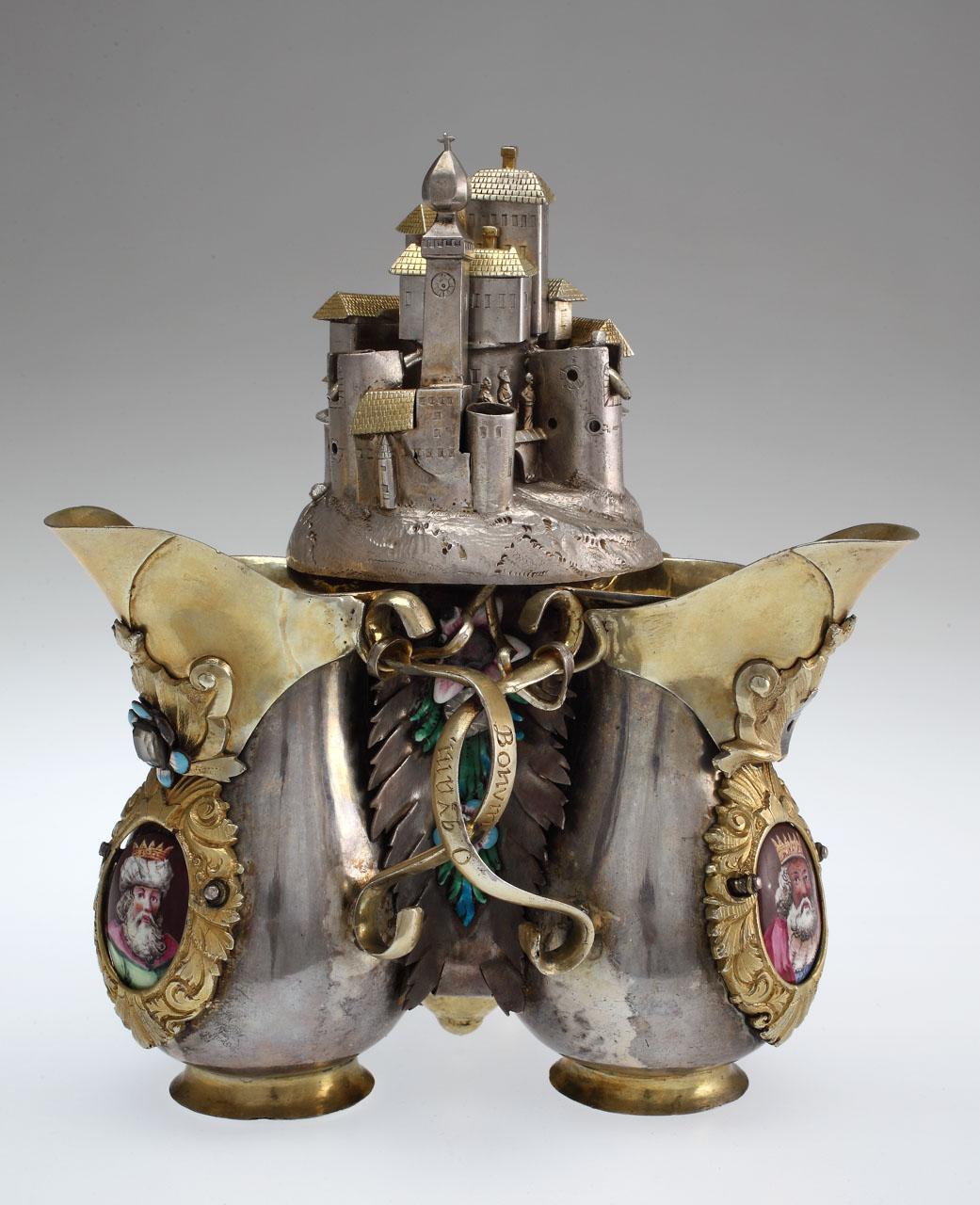
Three spouted jugs turned back to back, connected by handles. The handles show an engraved inscription "O quam Bonum et Jucundum Bibere Fratres in unum". Also engraved on the base of the jugs is the inscription "Csinaltata Andrássy Ferenc 1748" (Commissiones by Ferenc Andrássy 1748). On the body of the jugs there are painted enamel medallions with crowned male busts in turban. On the top is a sculptural composition: a model of the Castle of Krasznahorka. Small gargoyles protrude from the bastions of the castle. A small piston is placed between the jugs operated by lifting one of the turrets. Wine was then pumped up from a now lost vessel at the bottom of the fountain, and flowed through the small gargoyes into the jugs. The Andrássy family, of Sekler origin, acquired estates in the north of Hungary in the 16th century. Krasznahorka was one of the most important centres of the family's estates, and it was from here their nobiliary predicate originates.
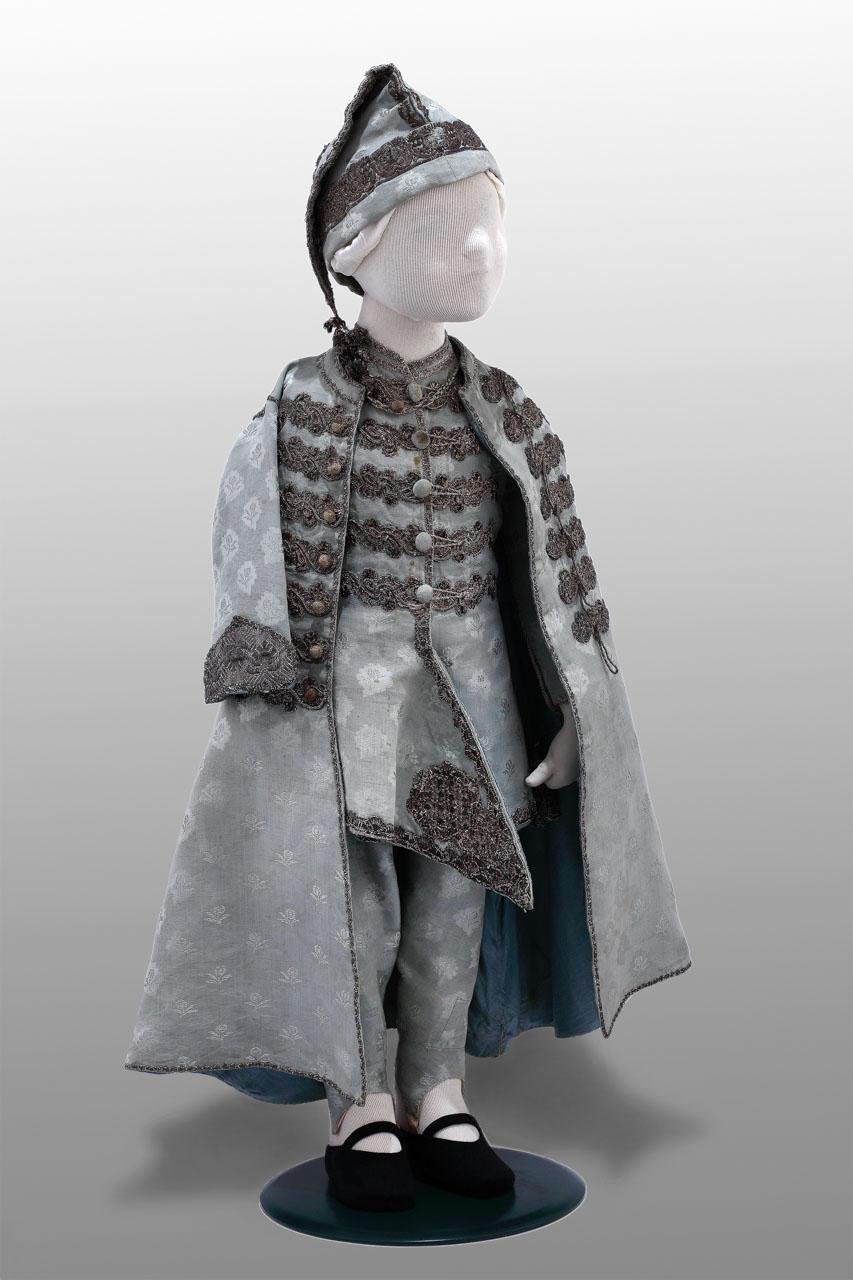
According to tradition, a Hungarian-style coat, dolman, trousers and cap, made of light blue floral-printed rip silk, was prepared for Maria Theresa's first-born son Joseph. There are also several depictions of the monarch and her children in Hungarian-style clothing.
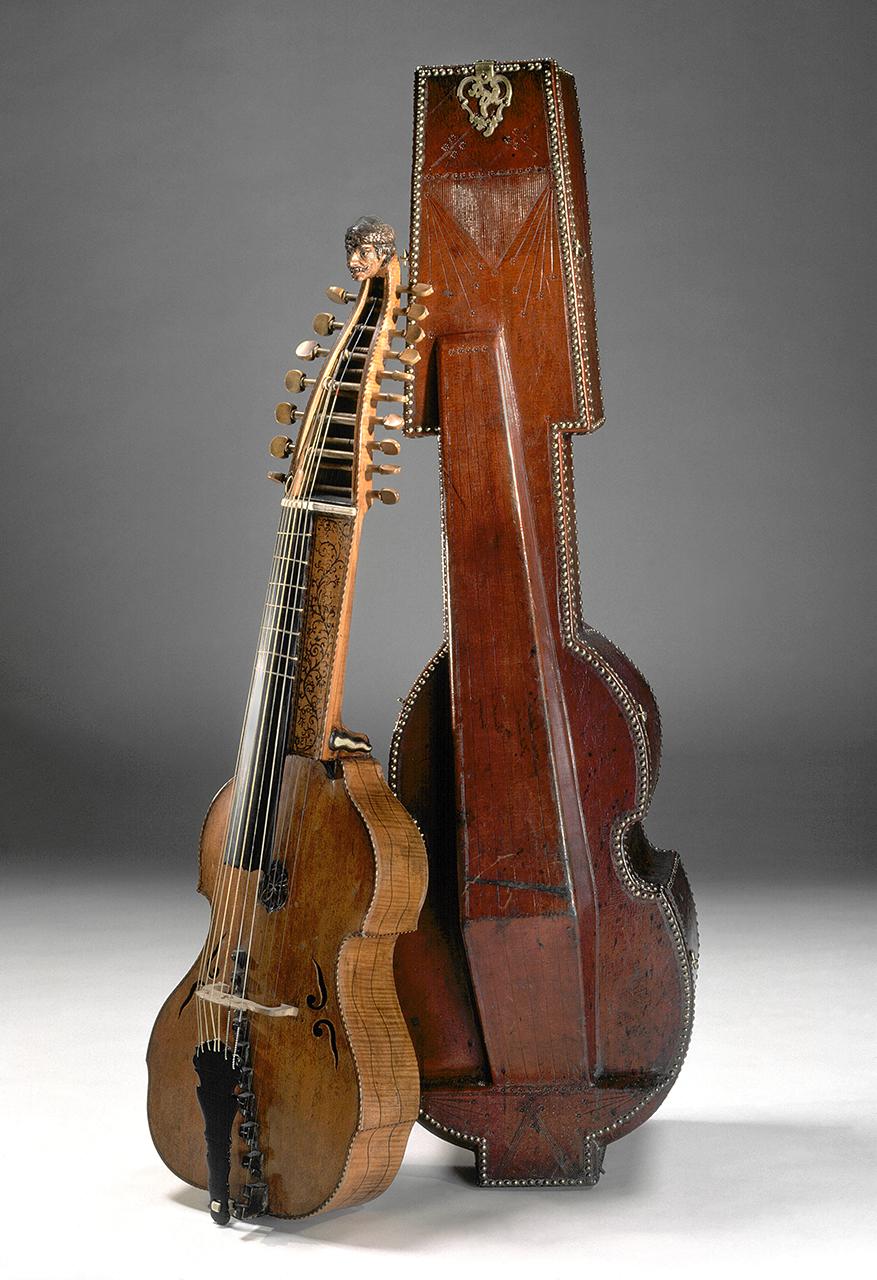
Master's mark: JOHANN JOSEPH STADLMANN KAISERL. KÖNIGL. HOF LAUTEN UND GEIGEN MACHER IN WIENN 1750.
The baryton belongs to the gamba family of instruments. It is very difficult to handle, and was therefore used for a relatively short period of time and in a rather limited range, being fashionable only in southern Germany and Hungary.
The historical value of the instrument in the Hungarian National Museum is that it was once played by Prince Miklós Esterházy, "the Magnificent" (1714–1790), who probably commissioned it from the imperial and royal court lute and violin maker Ioann Joseph Stadlmann in Vienna in 1750. Joseph Haydn, who composed dozens of pieces for this instrument, is credited with prividing this rare instrument a significant musical repertoire.
The instrument's appearance is artistically elaborate. The pegbox is the most distinctive: it depicts a man with a moustache and a Hungarian cap. The initials I S refer to the maker.
It is extremely rare that the instrument has retained its original case, a solid red leather covered case with gold-plated rivets, and this is probably the reason why the instrument has survived intact.
The sculptural deer figure reclining in the casket holds an Aszú grape in its mouth, referring to the medieval legend that the roots of Tokaj grapes are nourished by veins of gold.