Room 9 / The period of Rákóczi's War of Independence
With the exception of Temesköz, which was only recaptured in 1716–1718, by the end of the 17th century the Kingdom of Hungary was free from Ottoman rule. However, the Habsburgs' violations of the constitution, the abuses of foreign soldiers and the tax burden led to several unsuccessful armed rebellions. In the summer of 1703, Ferenc II Rákóczi assumed leadership, and a nationwide war of independence broke out. Rákóczi established his own state organisation and maintained extensive diplomatic relations with several European states. In 1707, the Diet of Ónod declared the dethronement of the Habsburg dynasty, but Rákóczi's armies suffered several heavy defeats and finally, in 1711, a peace treaty was signed in Szatmár (today: Satu Mare, Romania). Ferenc II Rákóczi chose exile, travelling first to Poland and France, then to the Ottoman Empire where the sultan, together with his entourage, settled him in Rhodes.
Fun facts:
- Rákóczi's court painter, Ádám Mányoki made several portraits of the prince. One of the most famous of them is exhibited in our museum.
- Rákóczi preferred to stay in his carpenter's workshop during his exile. A masterpiece of his on making is also exhibited here.
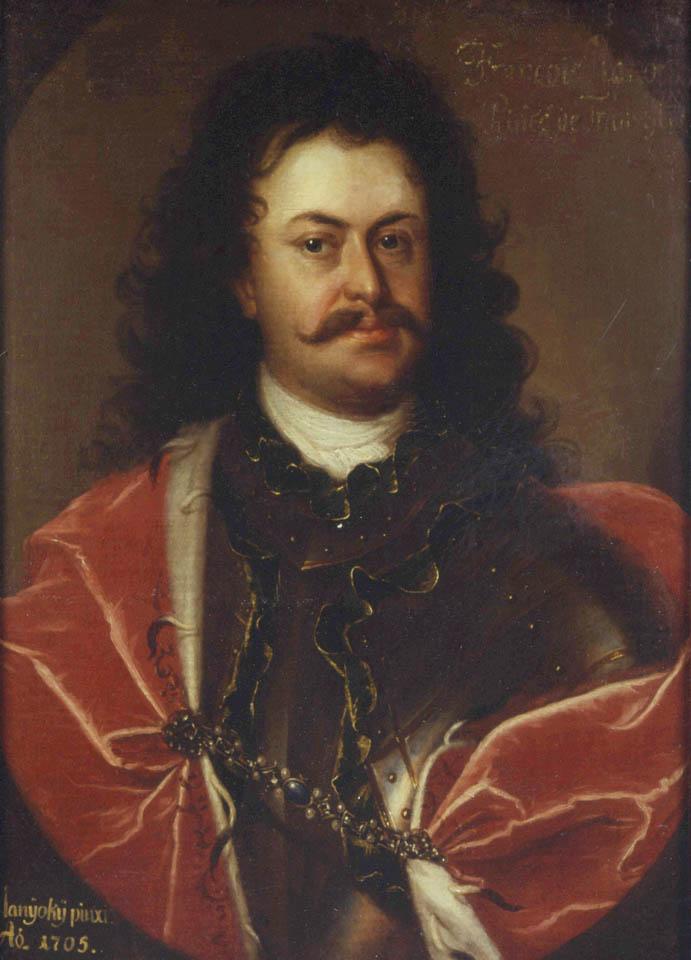
The painting was executed in 1707, soon after Ádám Mányoki had accepted Rákóczi's offer to become his court painter. The half-length painting shows the prince in armour, with an ermine cloak held together with a jewelled clasp, composed in an oval frame against a dark grey background.
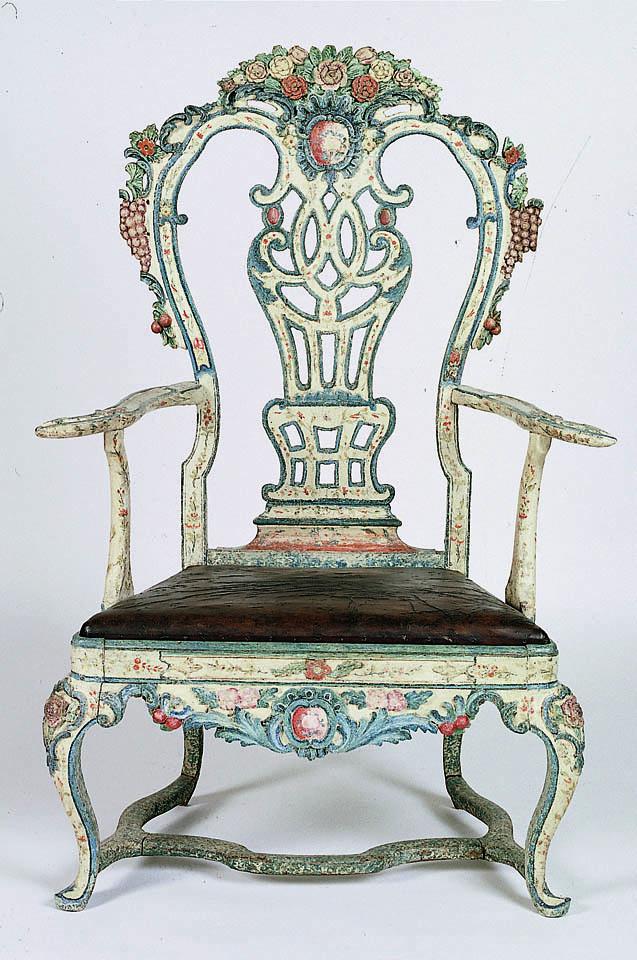
According to tradition, the prince carved the armchair himself, and used it in his chapel. It was discovered by Kálmán Thaly (1839–1909) when he was searching for the prince's ashes and relics in Rodosto (today: Tekirdağ, Turkey)
The instrument belonged to István Thököly (1581–1652) (Imre Thököly's father), and it was probably crafted by a Venetian master, Vitus Trasuntinus. Around 1600 Thököly was in Italy, studying at the University of Padua – studying in Italy and learning music was part of the education of the nobility in those days – and it was probably at this time that he bought the instrument. Unfortunately, its original outer case and the master's mark have not survived. The current painting and the modifications were made on the family estate in Árva (today: Orava, Slovakia). The front face bears the Thököly family coat of arms and the inscription COMES STEPHANUS THÖKÖLI de Kesmarck. The instrument was a donated to the National Museum in 1847.

The goblets, commissioned by Anna Erdődy, and crafted in Augsburg by E. Drentwett, depict scenes from the biblical story of Joseph.

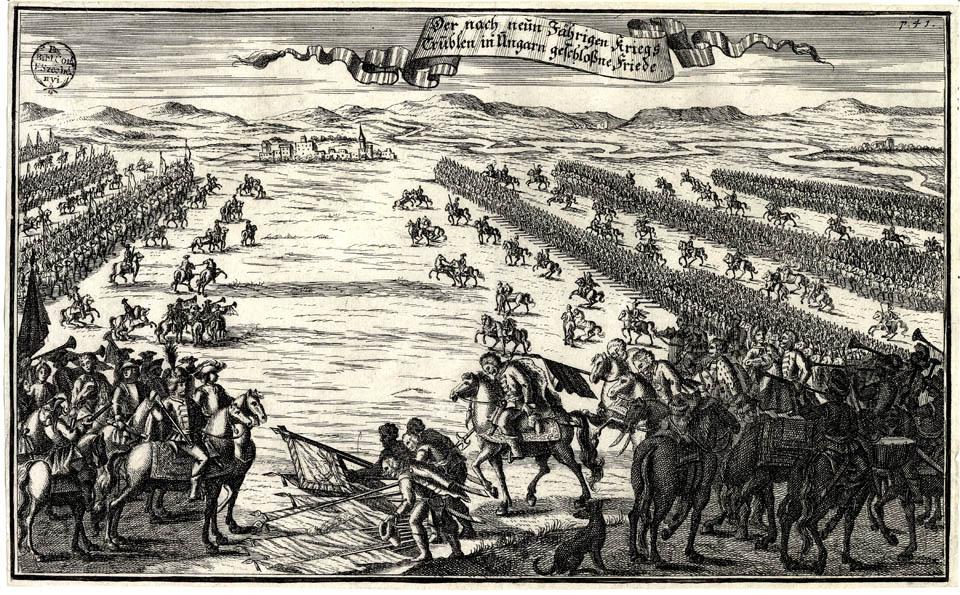
On 30 April 1711, the allied estates convened in Szatmár (today: Satu Mare, Romania) accepted the terms of peace, and Rákóczi's War of Independence ended. The next day, the prince's army were summoned to a military review on the plain of Majtény, where keeping their handheld weapons they planted their flags into the ground and swore allegiance to the then dead King Joseph I.
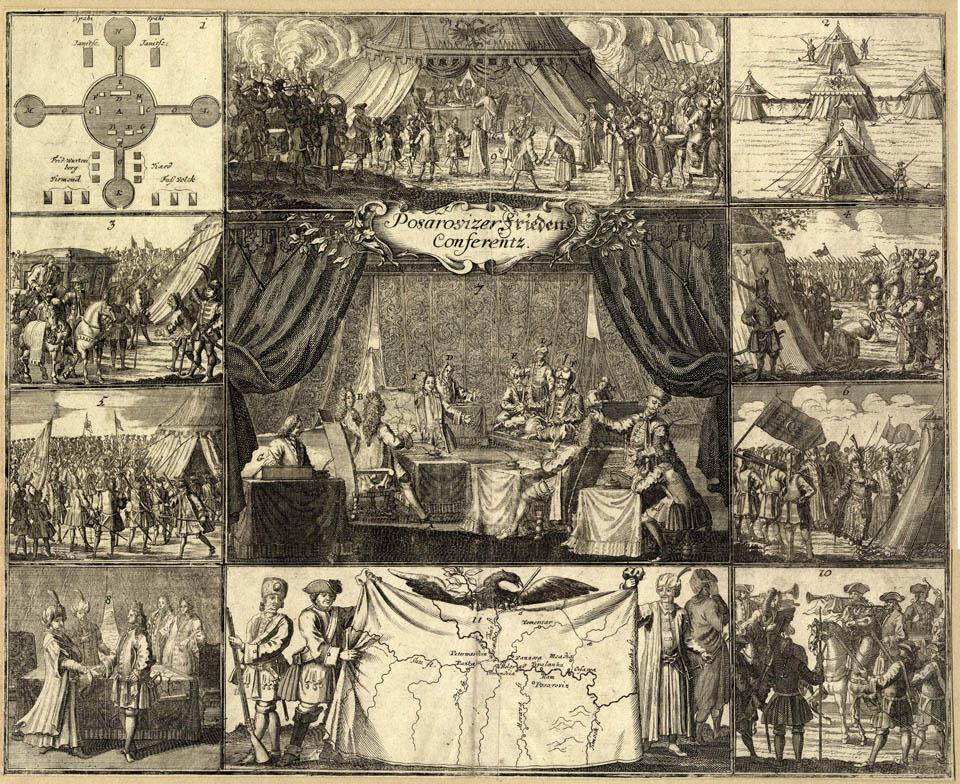
The Treaty of Passarowitz on July 21, 1718 ended the war against the Ottomans, which had begun in 1716. Under the peace treaty, the entire territory of the Kingdom of Hungary was liberated from Ottoman rule. The Ottoman Empire did not hand over Ferenc II Rákóczi and his fellow refugees to the Habsburgs, and they were first settled in the vicinity of Constantinople and then, from 1720, in Rodosto (today: Tekirdağ, Turkey).