





Exhibition
Life at the museum
On 22 January 2026, the Hungarian National Museum will open Attila, the most significant exhibition on the subject in Hungary in the past forty years, and a landmark international showcase in its own right. 400 masterpieces from 64 museums across 13 countries evoking Attila, king of the Huns, at the Hungarian National Museum
The exhibition explores the relationship between the myth and the historical reality surrounding Attila, drawing on perspectives from archaeology, historiography, the arts, anthropology, archaeogenetics, and contemporary cultural reflections. It also offers a unique bridge between the enduring memories of the legendary Hun leader in both Eastern and Western cultural traditions.
Set within the museum’s exhibition spaces, the temporary exhibition brings to life 1,600 years of images and myths of Attila through the presentation of some 400 artefacts from the Hun period to the present day.
As they move through the thematic sections, visitors will gain insight into the world of the Hun period and the self-representation of the elite in the closest circles of Attila, while tracing the rich and varied reception history of the treasures and theories associated with his memory.
A truly extraordinary corpus of objects will be on display, offering an unprecedented experience for Hungarian audiences. The exhibited works originate from 64 major museums in 13 countries, including the United Kingdom, France, Germany, Kazakhstan, Uzbekistan, Romania, Slovakia, and Hungary. Among the highlights are exceptional pieces on loan from some of the world’s leading institutions, including the British Museum, Louvre Abu Dhabi, and the National Museum in Baku.
Alongside the exhibition, which will be open from 23 January to 12 July 2026, visitors can enjoy a diverse programme of accompanying events: an international conference, scholarly lectures, heritage-inspired family and children’s programmes, round-table discussions, museum education activities for all ages, craft workshops, book launches, film screenings, and live music.
Visitors may also take home a piece of the experience: in the Hungarian National Museum’s shop, they will find high-quality reconstructions of the most beautiful jewelleries and costume accessories featured in the Attila exhibition, including bracelets, rings, earrings, cicada brooches, and belt buckles.
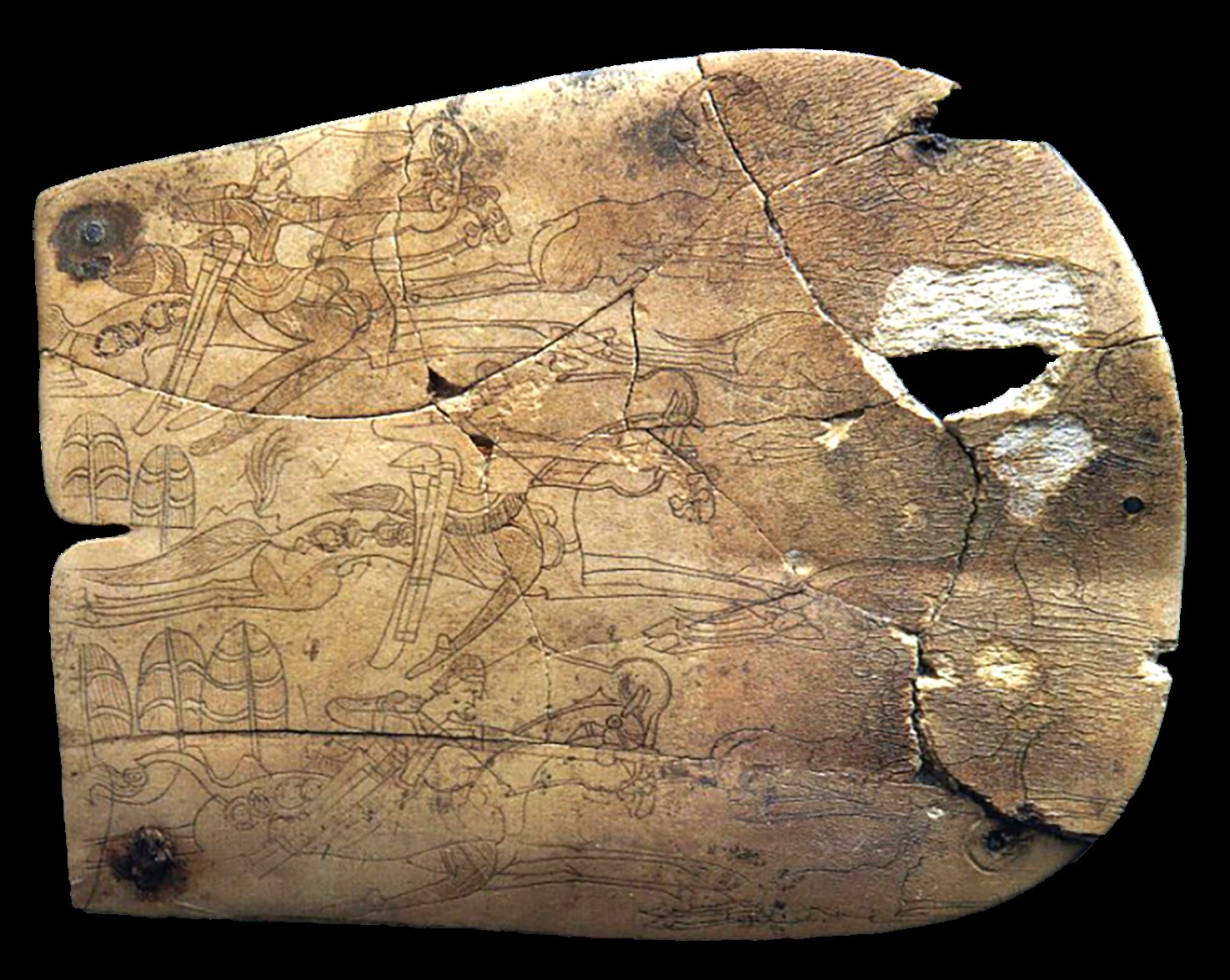
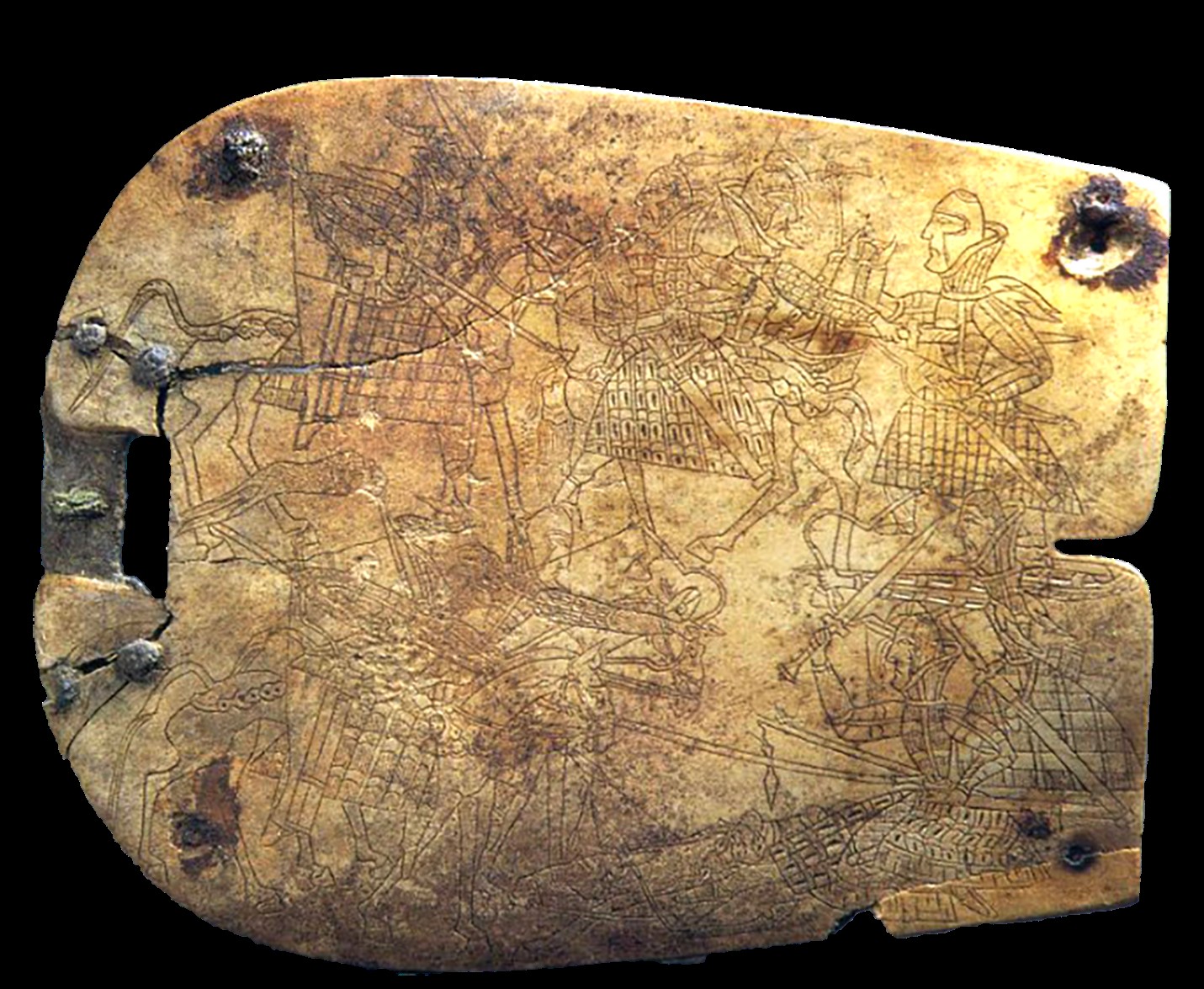
The Orlat plaques
1. Plaque with a hunting scene
2. Plaque depicting a clash of armoured foot soldiers and mounted warriors in heavy armour
(Bone, 2nd half of the 4th century
Orlat, Uzbekistan
Institute of Art Studies of the Academy of Sciences of the Republic of Uzbekistan, Tashkent)
1. Plaque with a hunting scene
2. Plaque depicting a clash of armoured foot soldiers and mounted warriors in heavy armour
(Bone, 2nd half of the 4th century
Orlat, Uzbekistan
Institute of Art Studies of the Academy of Sciences of the Republic of Uzbekistan, Tashkent)