
The Migration period was an era of transition between Antiquity and the developed, advanced states, political and social structures of the Middle Ages. It abounded with major historical events and turbulent changes, including consecutive waves of mass migration, the emergence of new powers and polities, and endless wars.
The arrival of the Huns in Europe brought about profound changes. Expanding their rule beyond the boundaries of their original steppe homeland, the Huns gradually brought the entire Carpathian Basin under their rule, forming the great Hun Empire. After Attila’s death, this empire fell apart, and Germanic kingdoms of various sizes and lifespans emerged in the ensuing power vacuum. However, they were all swept away in AD 568, when a new people, the Avars, arrived there from the east and founded their Khaganate, a polity that survived to see the arrival of the conquering Magyars (early Hungarians).
Questions such as ‘How did these transformations manifest themselves at the level of individual communities?’ can be answered through large-scale excavations of long-lived, multi-period sites. Details of these processes may be investigated through complex research into a settlement or cemetery, where evaluation relies jointly on traditional archaeological methods and other fields of science, such as physical anthropology and archaeogenetics.
Tiszagyenda is such a multi-period site. Having been excavated almost entirely, it provides a complete cross-section of this exciting era. The destruction horizon marking the burning down of a once flourishing 4th-century AD Sarmatian village at the onset of the Hun period is an exceptional phenomenon. Shortly after the abandonment of the destroyed village, new occupants arrived from every point of the compass; although their material culture was unified, their genetic relations point deep into Inner Asia, Northern and Western Europe, and the Mediterranean. They lived in a single, extensive, homogeneous, village-like settlement and buried all their dead according to the same rites. Regardless of their genetic origins, some families even adopted the custom of artificial cranial deformation, which arrived in the area with the Huns from the East.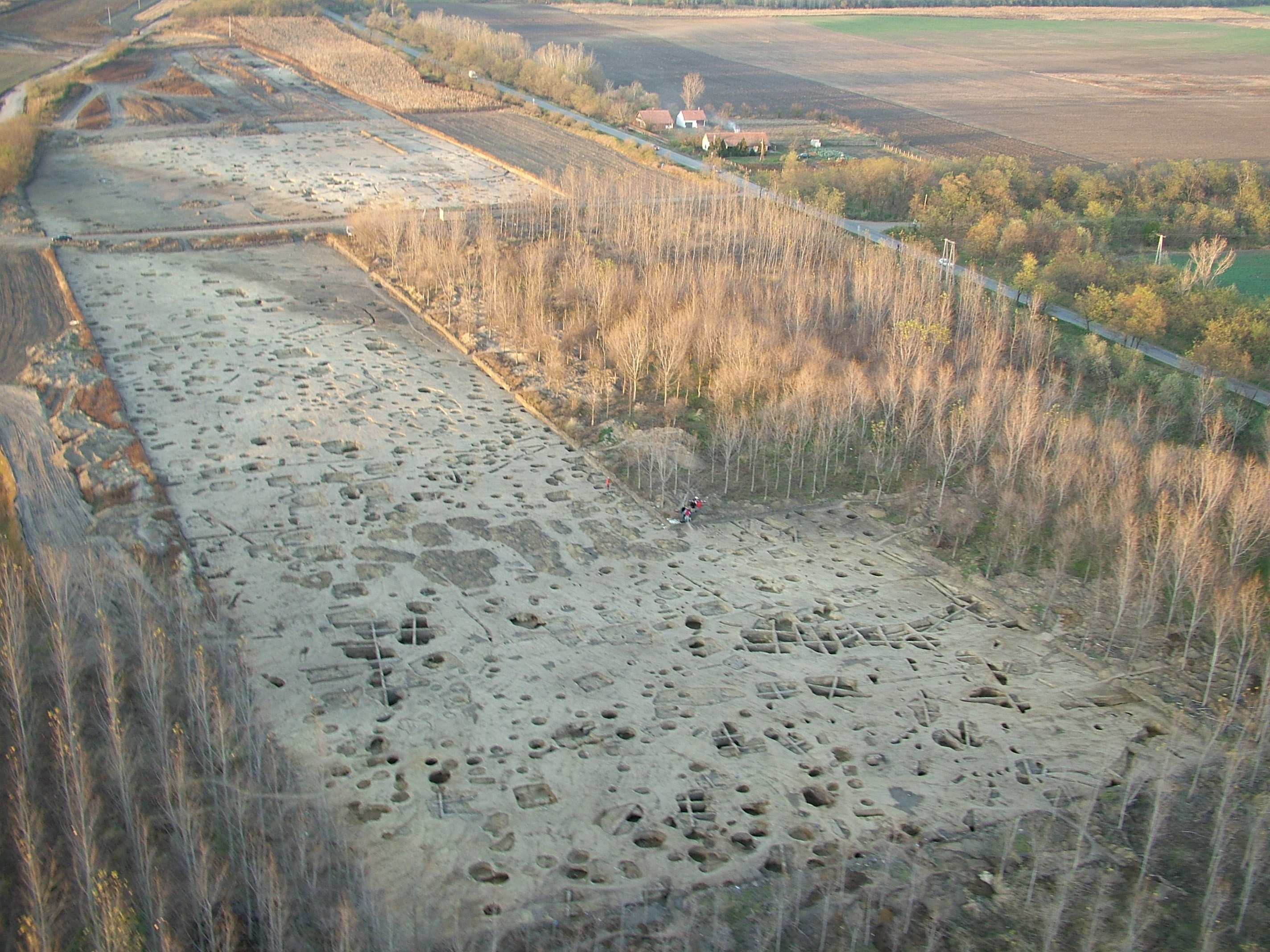
Aerial photo of the excavation area, 2006
This fundamentally agricultural community, blown together by the winds of history on what is now the outskirts of Tiszagyenda, remained in place for over two centuries. The next major historical event, the establishment of the Avar Khaganate in the mid-6th century AD, left this small community almost completely untouched, thus providing an excellent example of how differently the fate of a village or community could turn during the Early Middle Ages, despite its proximity to the locations of turbulent events.
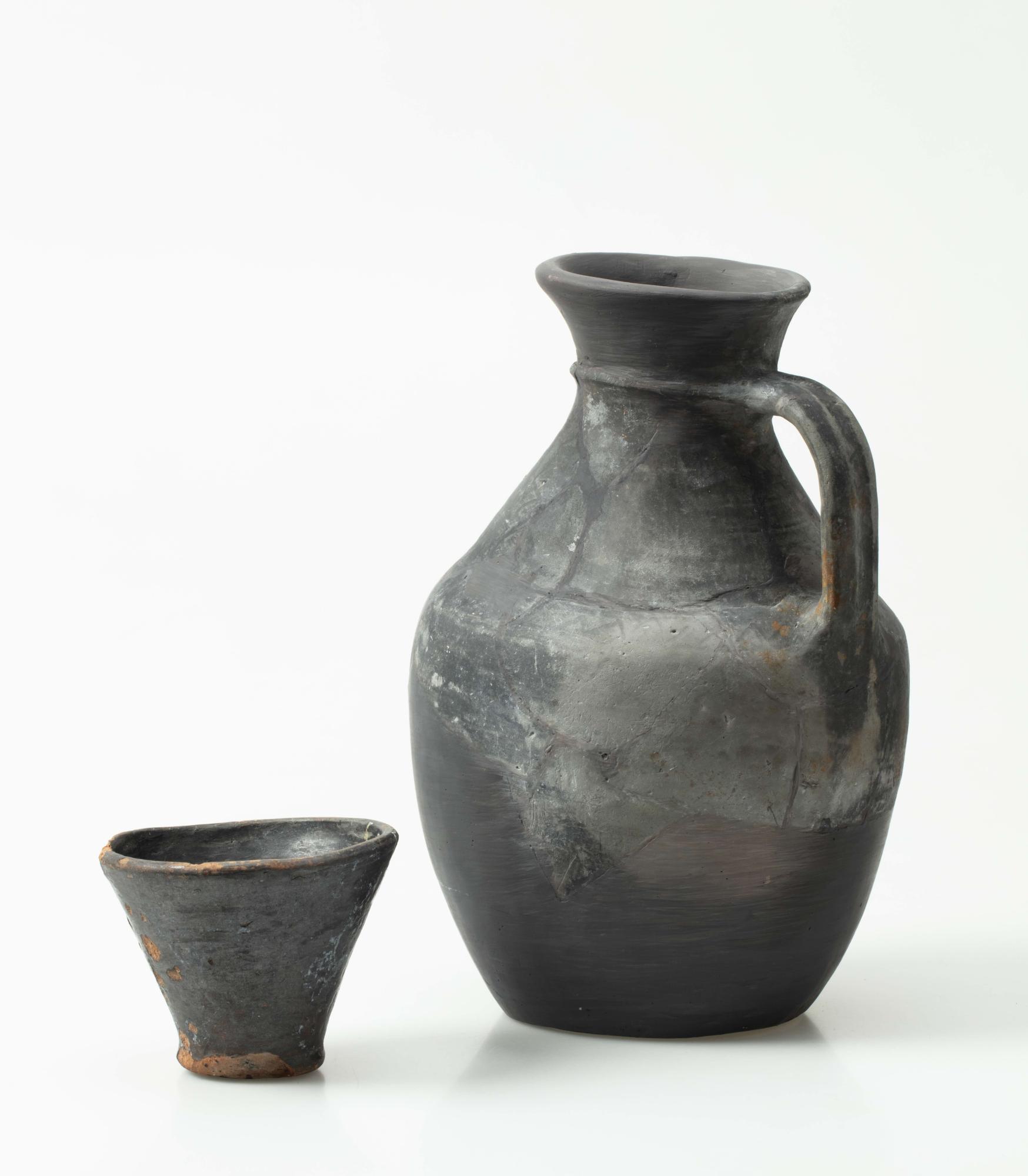
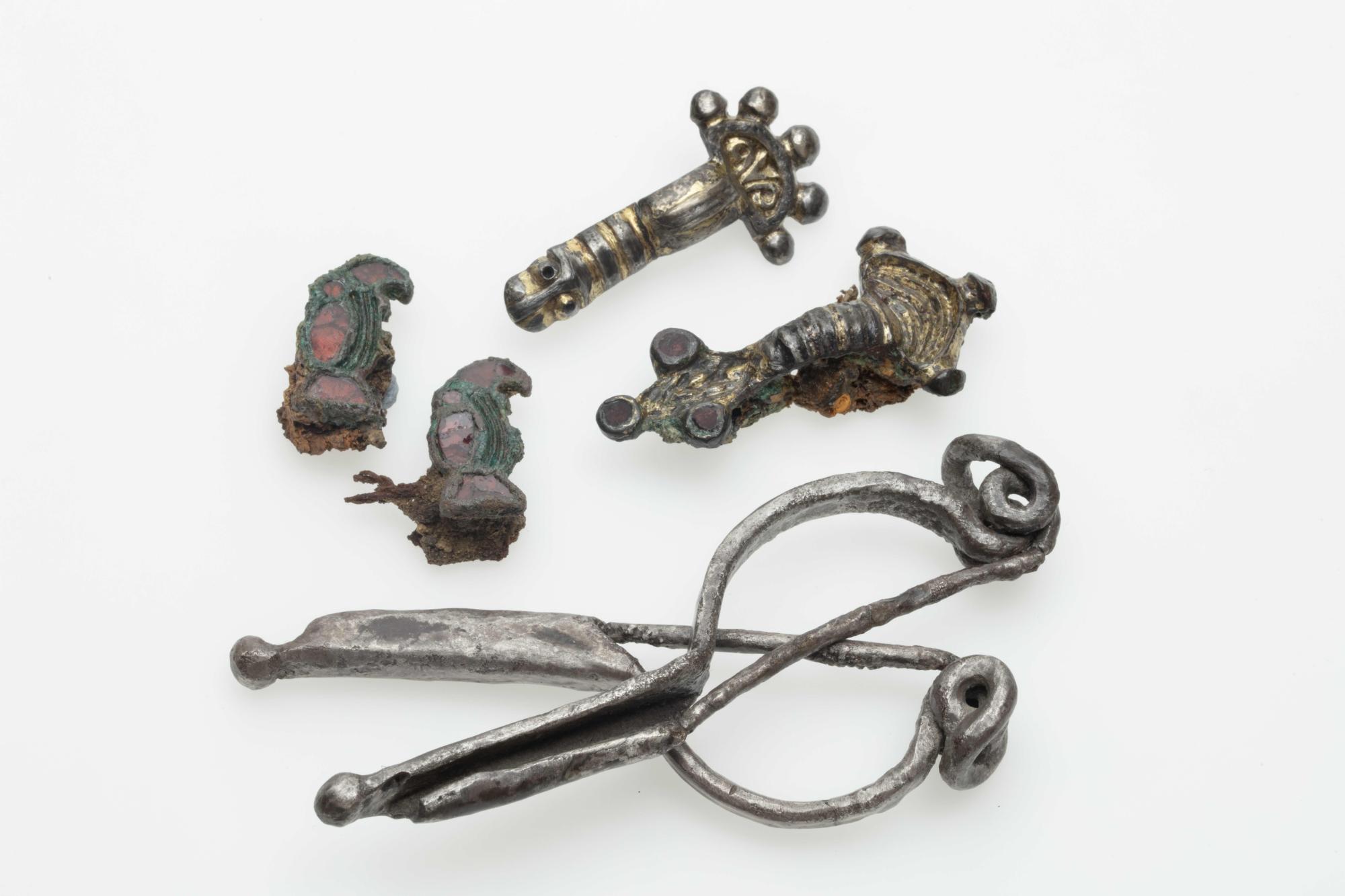
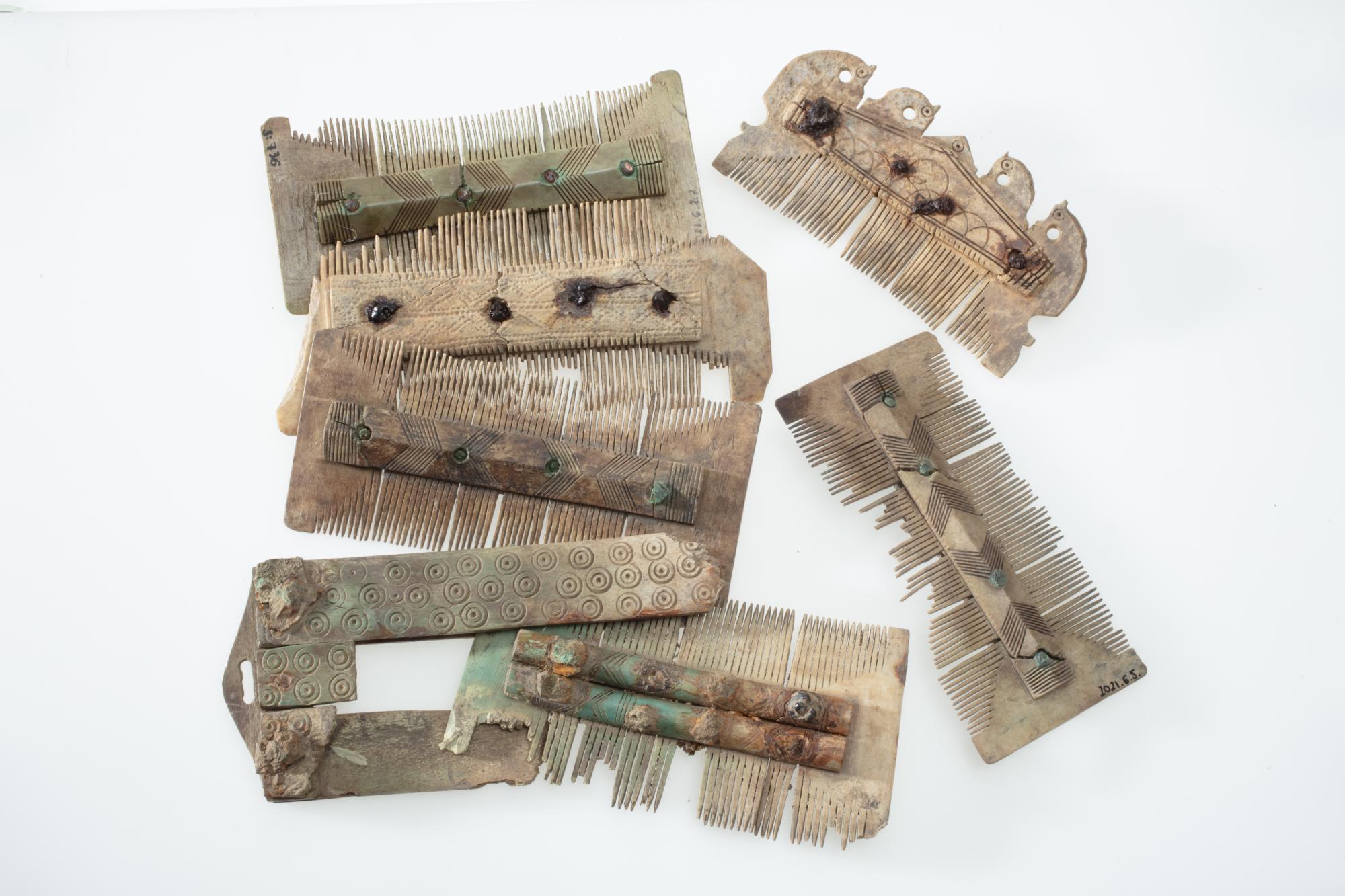
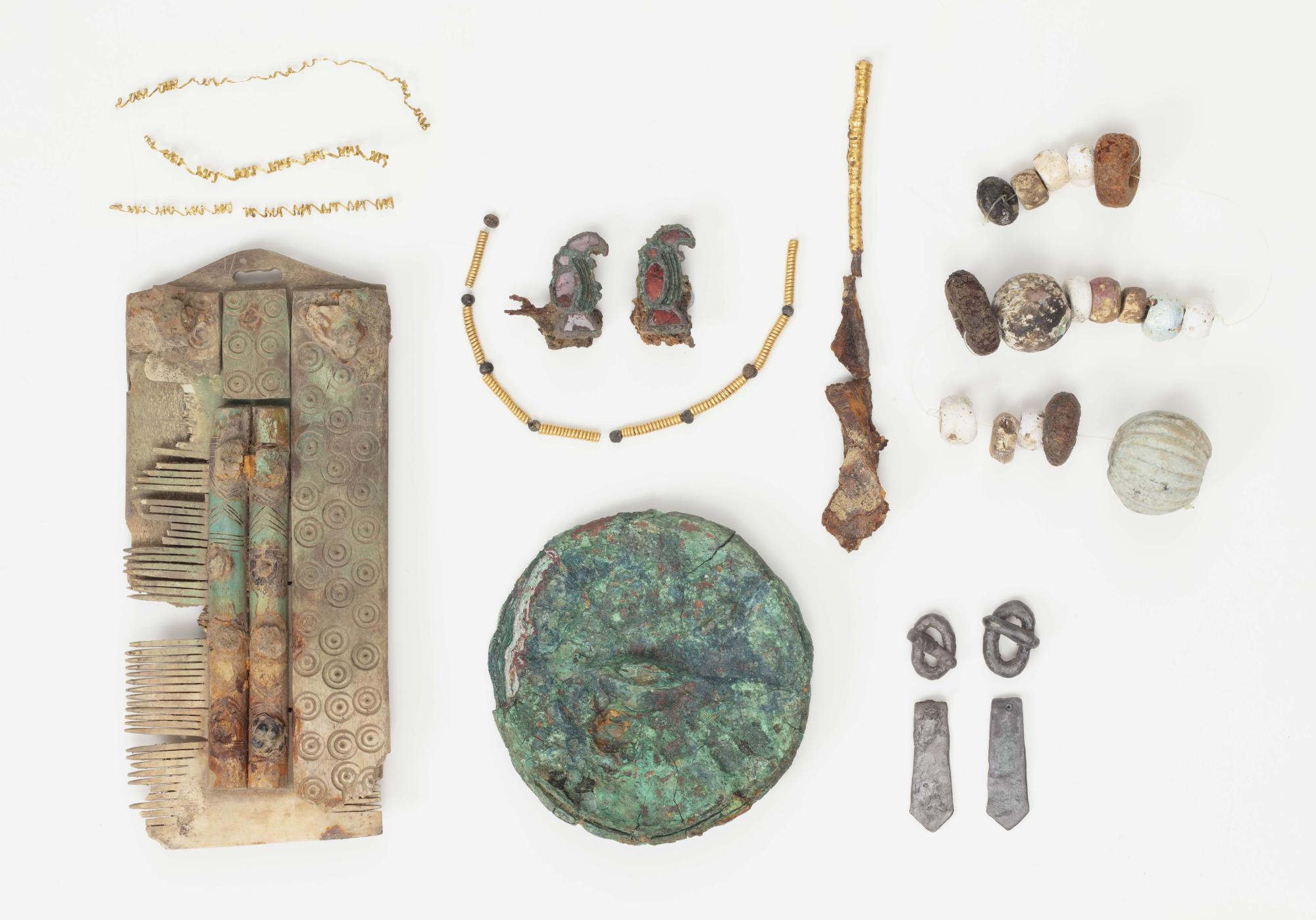
The temporary exhibition presenting the results of the excavations conducted at Tiszagyenda in preparation for the construction of an emergency reservoir in 2006 and 2007, with a focus on the Hun period settlement, is open to visitors in the Southern Fireplace Room (Déli Kandallóterem) of the Hungarian National Museum from 10 June 2026. It offers a counterpoint to the Attila exhibition, which is what makes it timely: while the grand exhibition on the person and era of the Hun king spans a broad historical arc, this chamber exhibition presents the history of the period from the perspective of ordinary people era of the Hun king spans a broad historical arc, this chamber exhibition presents the history of the period from the perspective of ordinary people