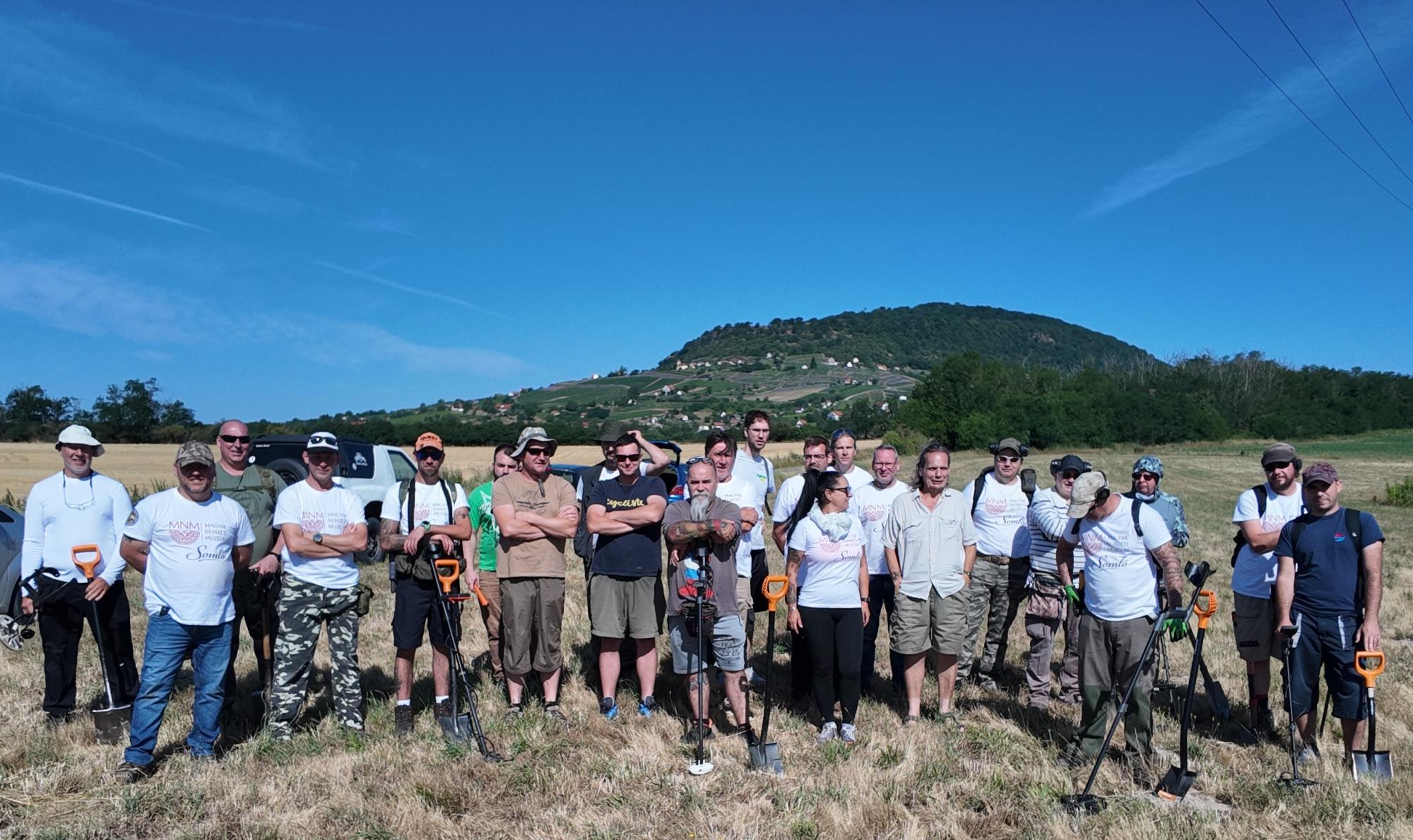
The Hungarian National Museum’s Community Archaeology Programme was launched in 2017. In spring 2022, a temporary exhibition entitled A Treasured Community opened. It was an important milestone for this successful initiative, which involved dozens of participants and continues to produce new discoveries under the direction of the Department of Community Archaeology.
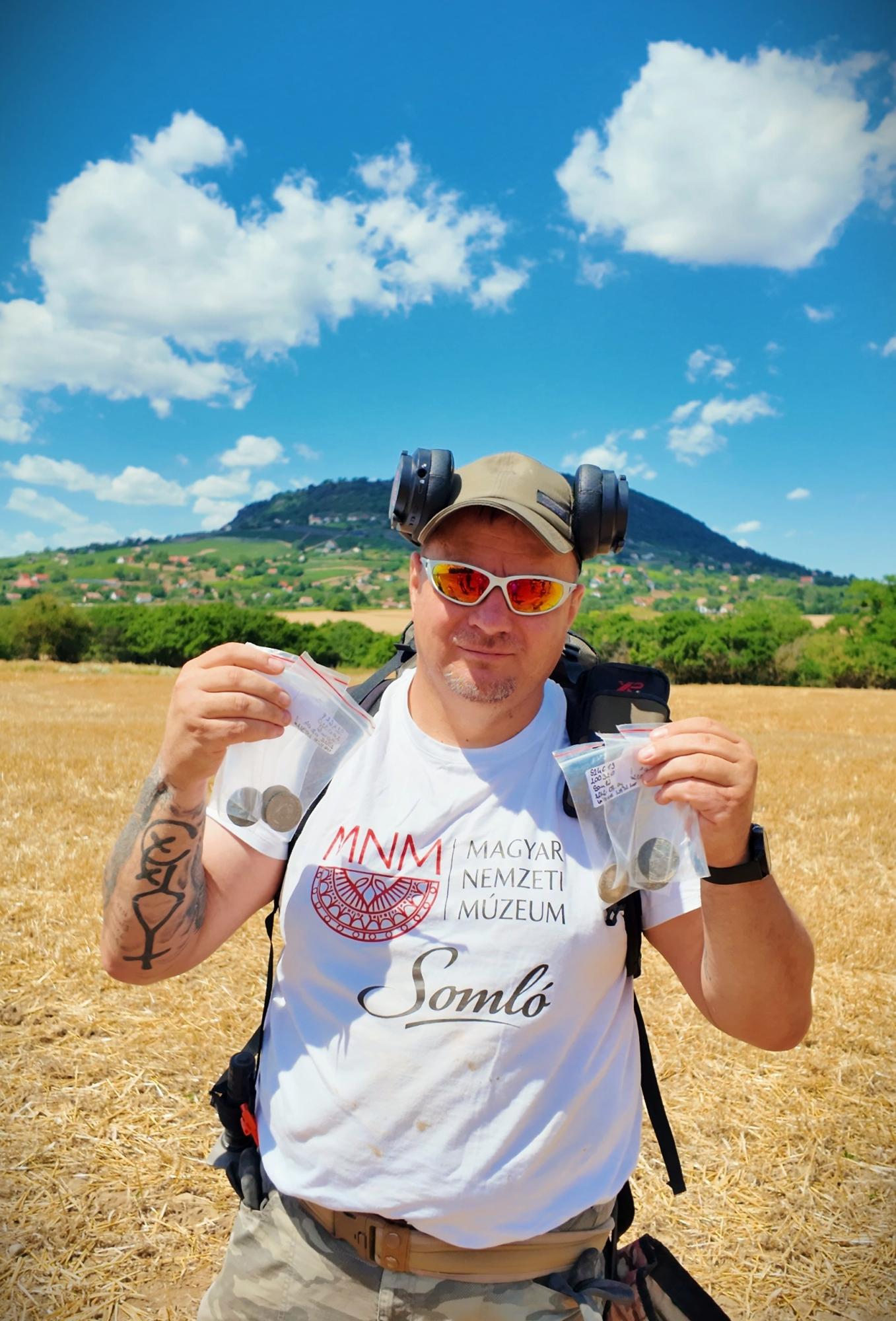
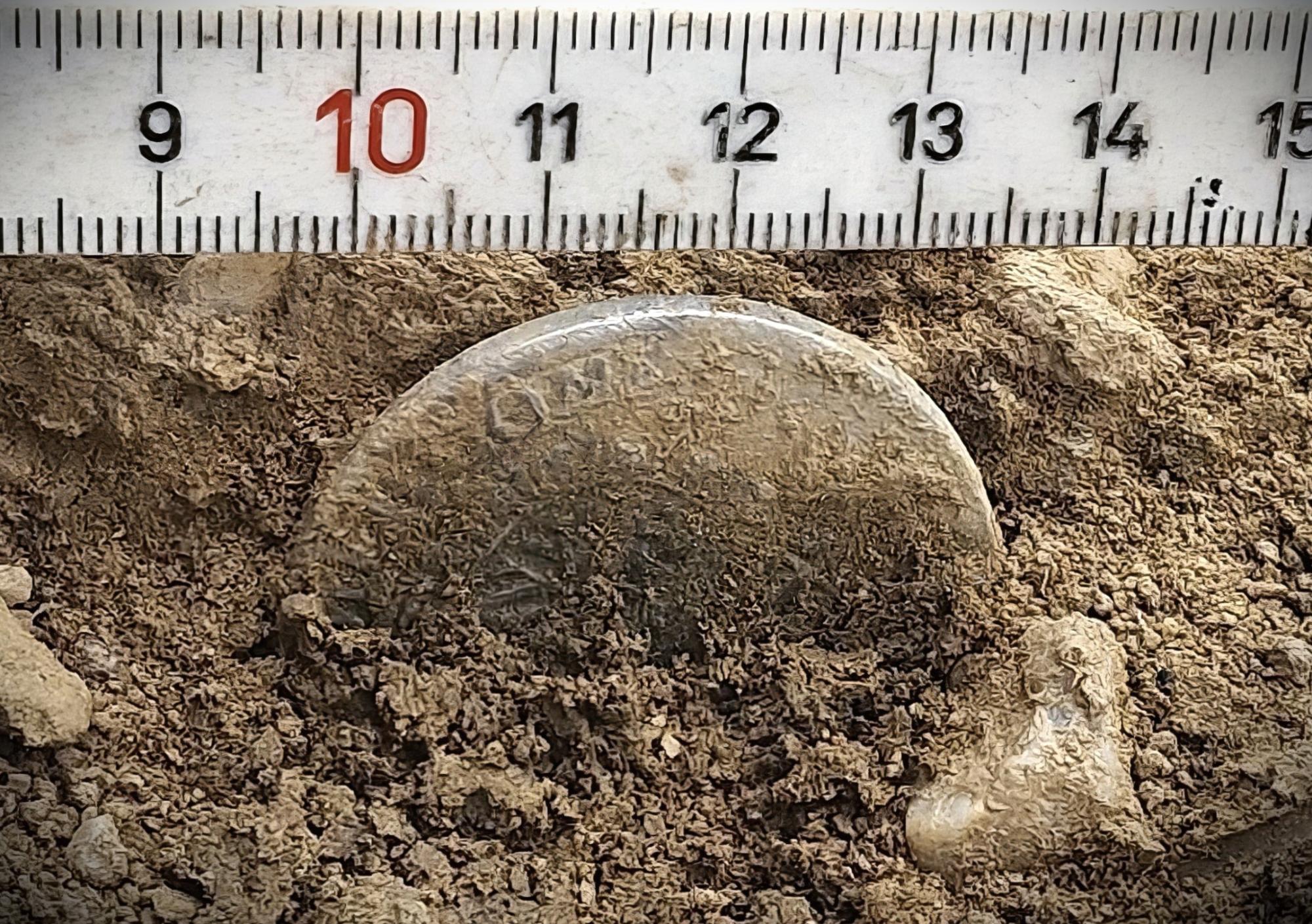
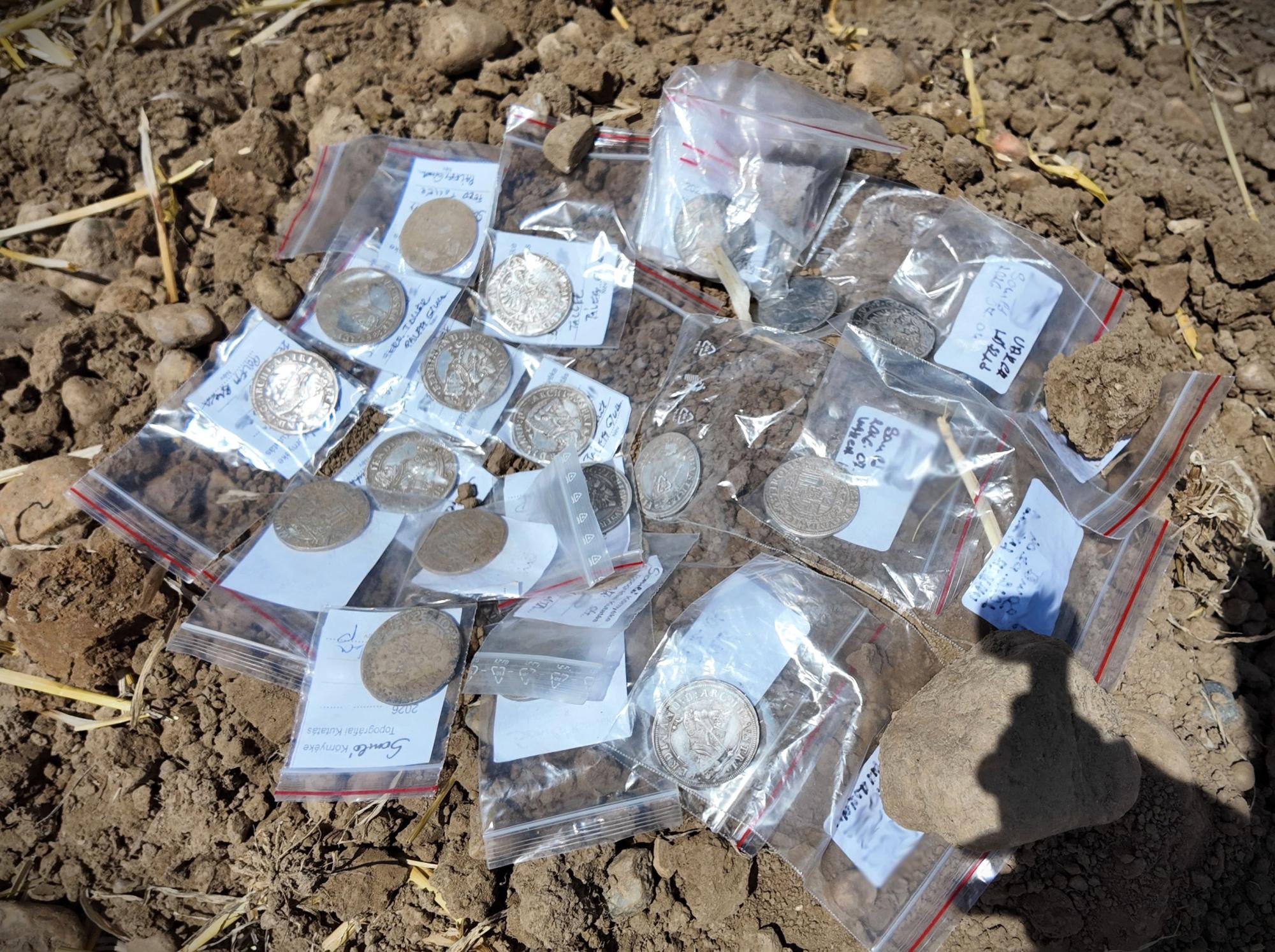
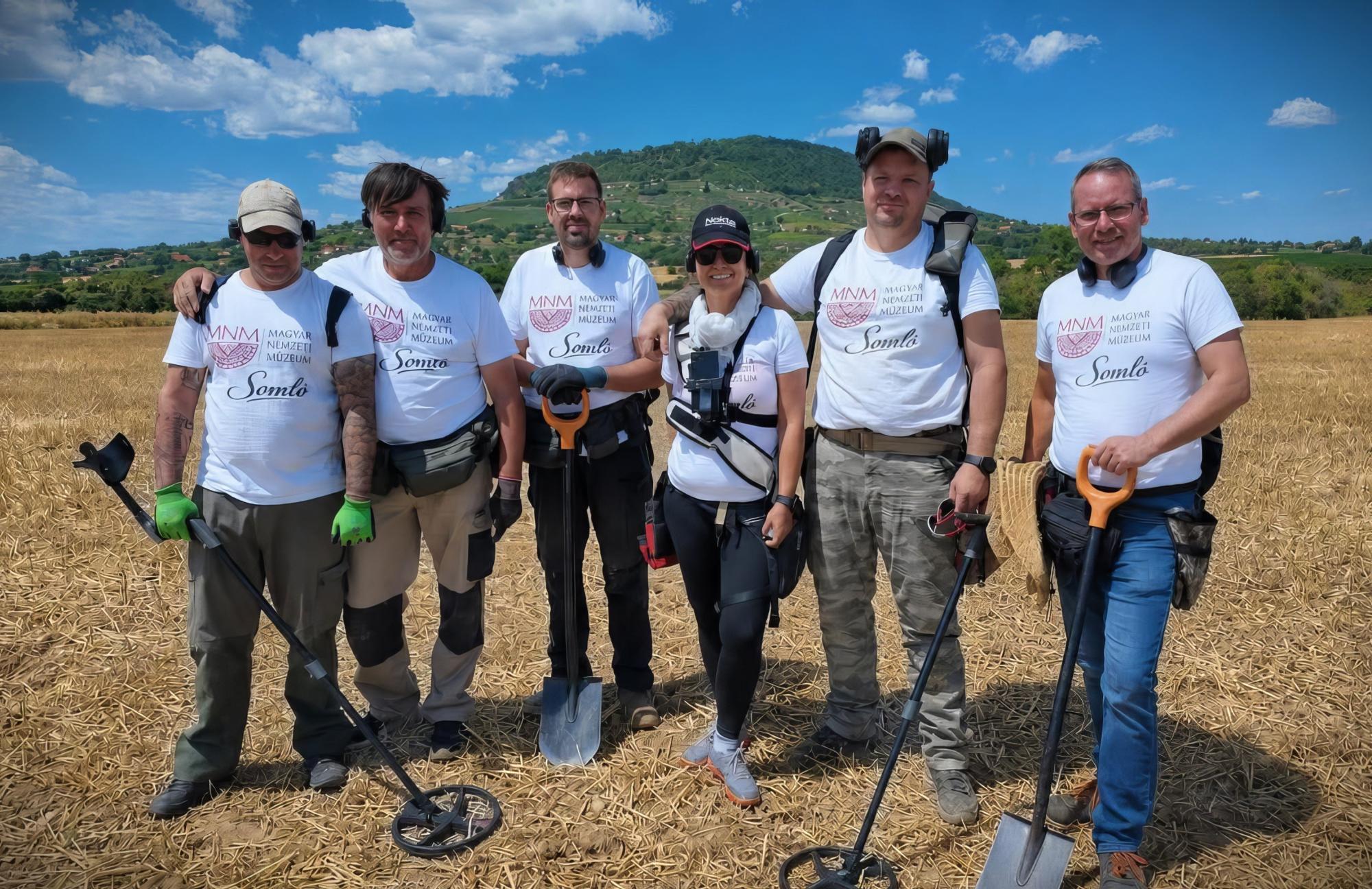
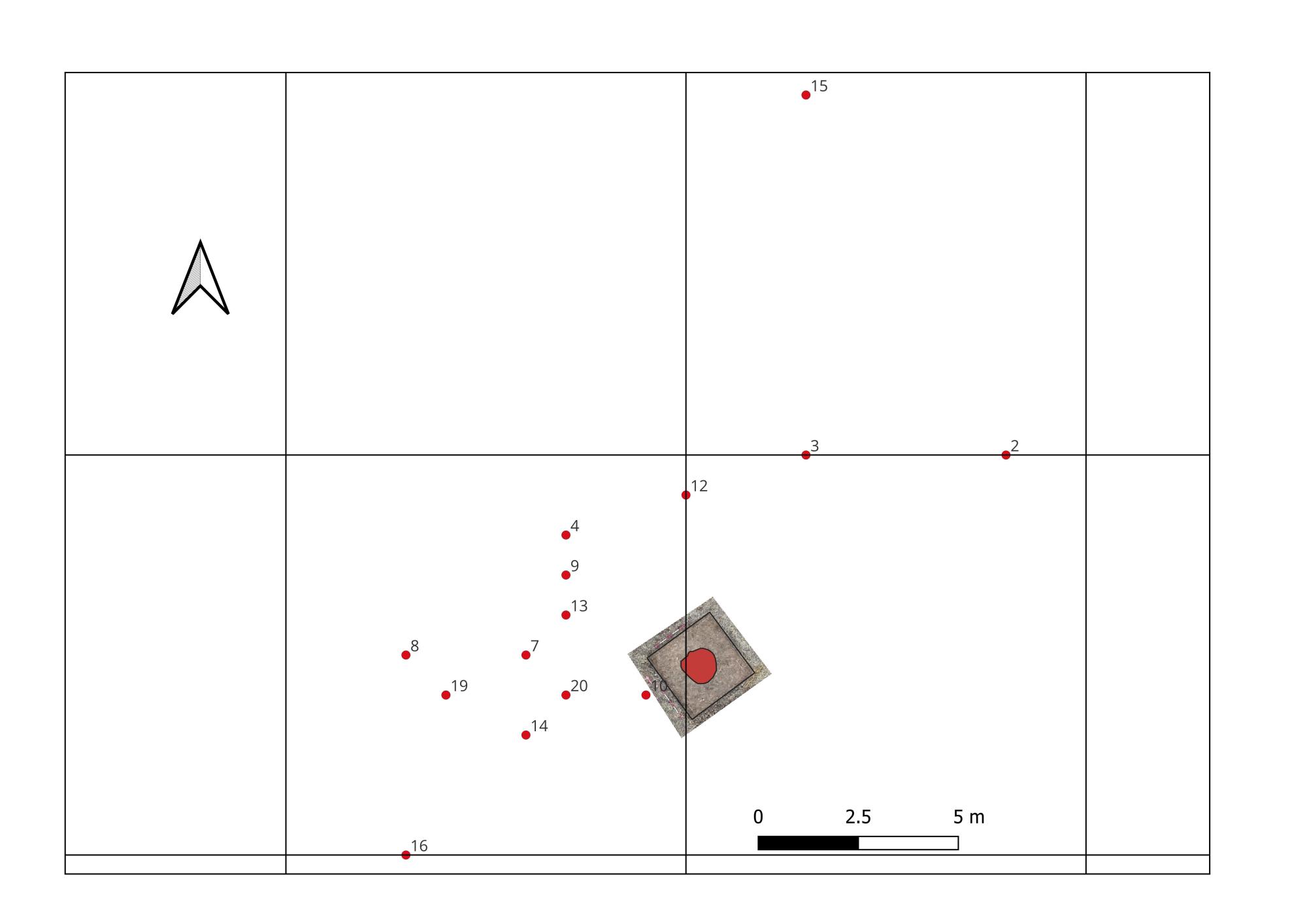
The Hungarian National Museum has been carrying out successful research on Somló Hill in Veszprém County for several years. On 4 June 2026, during a metal-detecting survey around the hill, the museum’s volunteer archaeology team discovered a plough-scattered hoard of 27 silver thalers near Borszörcsök. Eleven of the coins were concentrated within an area of about 1 square metre. The following day, the team opened a test trench measuring 2 × 2 metres and about 30 centimetres deep at this spot. A further coin was found in the loess soil hardened in the heat. The trench also yielded several fragments from the base and side of a coarse red pottery vessel tempered with fine gravel, but it is not clear whether this vessel had contained the hoard or was unrelated to it.
Most of the hoard—18 coins—were issued by Ferdinand II, Archduke of Austria and Princely Count of Tyrol, at the mints in Hall in Tirol and Ensisheim in Alsace. The hoard also contained three thalers of Rudolf II, Holy Roman Emperor and King of Hungary and Bohemia: two minted in Hungary and one in Bohemia. The German territories were represented by two coins issued by the city of Lübeck, together with one thaler each from the Palatinate, Brunswick, and Brandenburg. A thaler from the Swiss city of St Gallen added further variety.
The latest coin in the hoard, known to numismatists as the ‘closing coin’, is a thaler of Rudolf II minted at Körmöcbánya (today Kremnica, Slovakia) in 1593. This means that these valuable coins could not have entered the ground before that year. The composition of the hoard, and the proportions of the various issues it contains, suggest that it belongs to a wave of hoards associated with the Fifteen Years’ War (1591/1593–1606) [also called Long Turkish War].
For a decade and a half, campaigns followed one another year after year across the entire Carpathian Basin. The scale of the destruction is reflected directly in the nearly two hundred coin hoards from this period currently known to archaeologists and numismatists. Together, they preserve an unparalleled record of the varied currencies in circulation at the time.
Tamás Péterváry – Csaba Tóth