There are things which are easier for children to draw than to speak about.
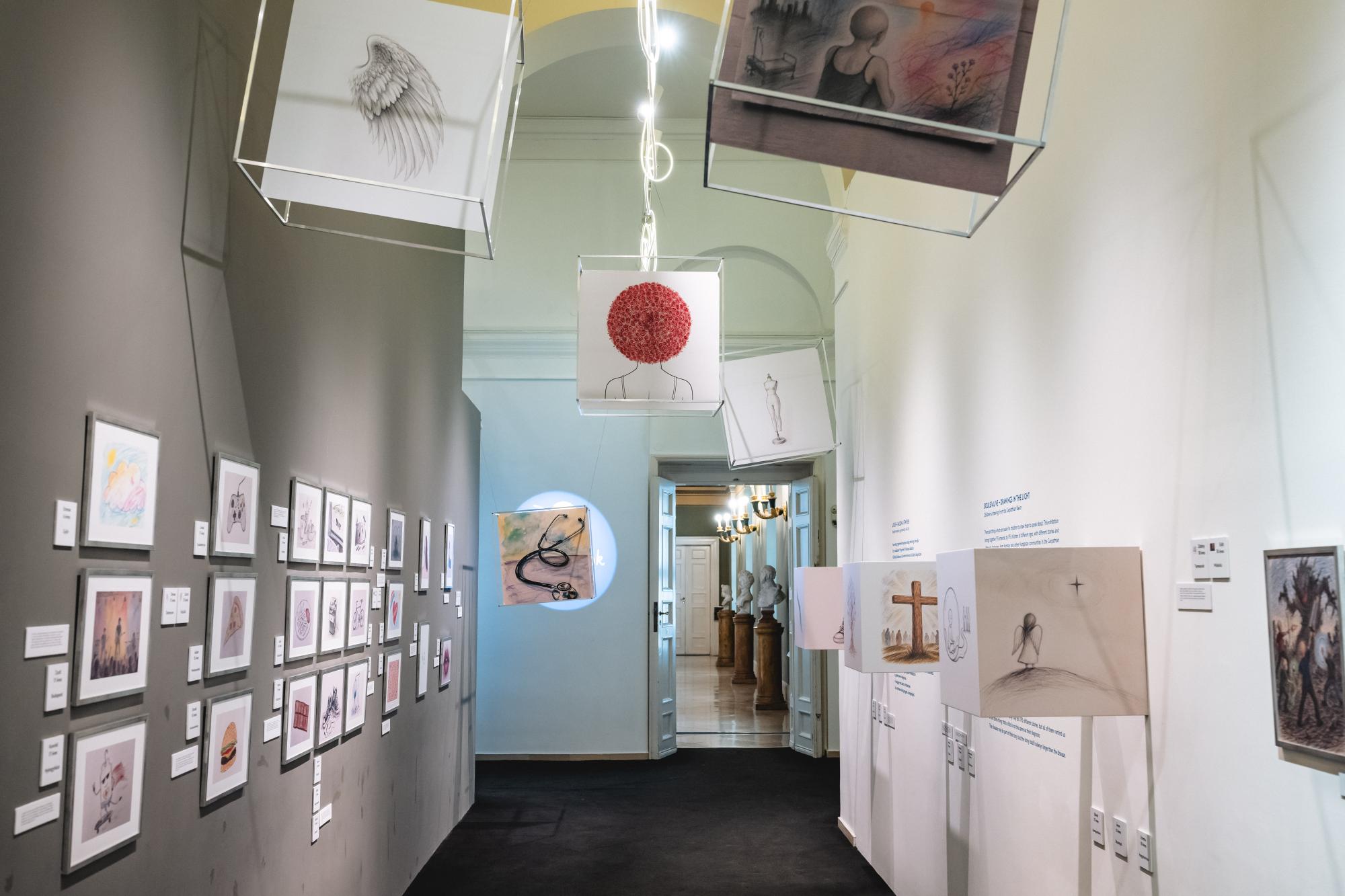
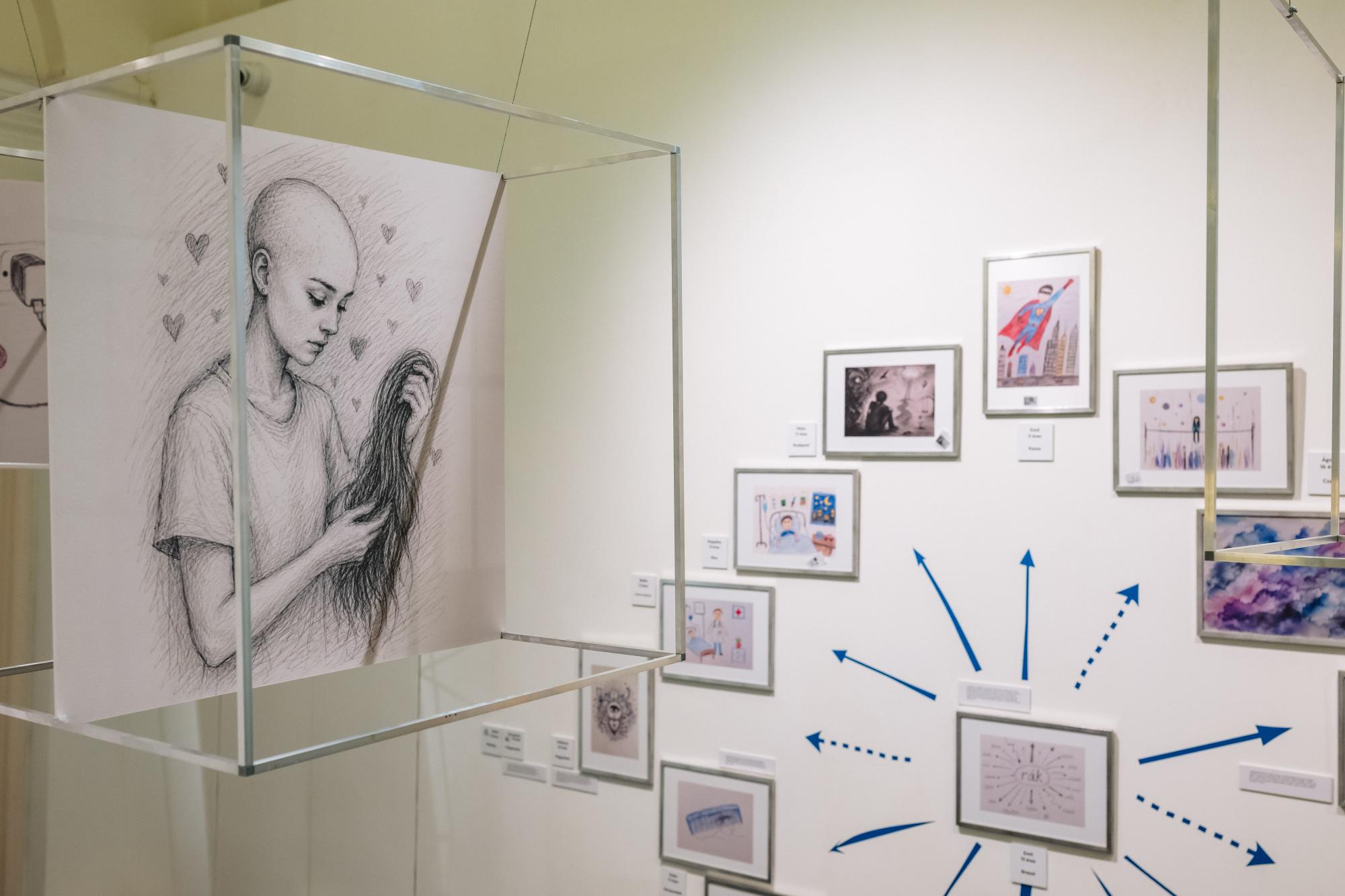
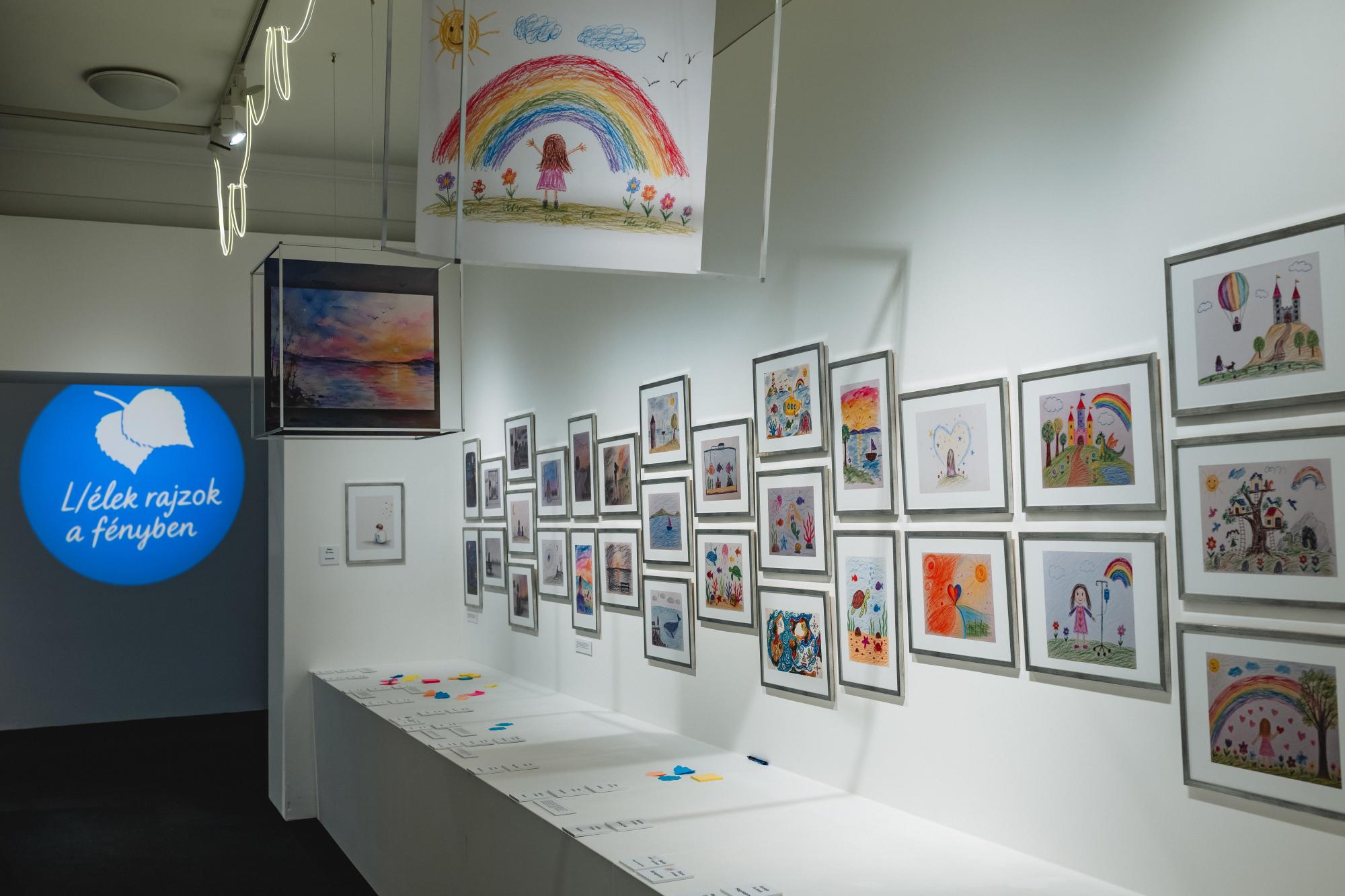
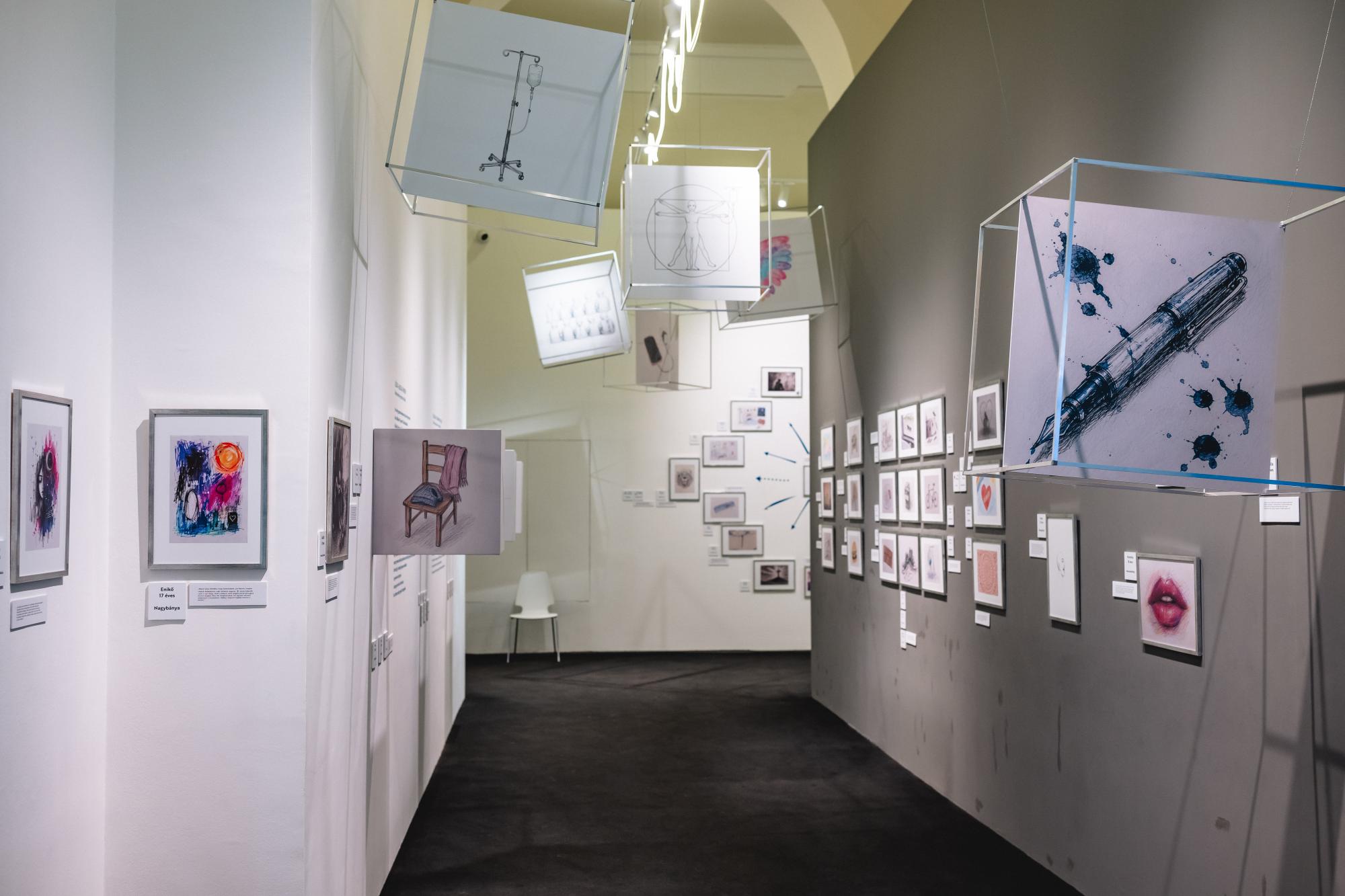
On September 3, our exhibition entitled “ Souls/Alive – Drawings in the light” opened, offering an insight into the challenging yet hopeful – and unmistakably childlike – world of some of the bravest children through 195 extraordinary drawings. For the exhibition, writer and curator Rea Todorovits invited children from across the Carpathian Basin who are living with cancer to draw their own realities. The exhibition does not place the illness itself at the centre; instead, it focuses on the children’s strength and the hope revealed through their creations.
This exhibition brings together 195 artworks by 195 children of different ages, with different stories and different diagnoses, from Hungary and other Hungarian communities in the Carpathian Basin.
All these children experienced living with cancer, undergoing treatment, being scared, waiting, hoping, and finally setting off on the path towards recovery.
But I did not ask them for an illustration of their condition.
I asked them simply to draw: to show us the things that are important to them, the things they miss, they love, they fear, they want—or simply anything that comes to mind.
The results include drawings of hospital beds and footballs, falling hair ad falling in love, fear and family, God, music, animals, home, friends, the sky, chocolate, and so much more.
Because children do not stop being children just because they are sick. They do not become a diagnosis.
They do not become a medical history, a lab result, or a data point in a set of statistics.
They keep on loving, dreaming, laughing, screaming, trembling, hoping, and planning for tomorrow. They keep on living.
The exhibition Souls/Alive – Drawings in the light was created to present these children not as victims and patients but in the way they see themselves: as creators.
They do not need our pity; they wish to be acknowledged.
They need us to see the child in every exhibited piece of art before reading the label with the artist’s age and home town.
The 195 works of art on display may tell 195 different stories, but all of them remind us of the same thing: that a child is not the same as their diagnosis.
The disease may be part of their story, but the story itself is always larger than the disease.
(Rea Todorovits curator)