Room 5 / The reign of King Matthias Hunyadi and the Jagiellonians
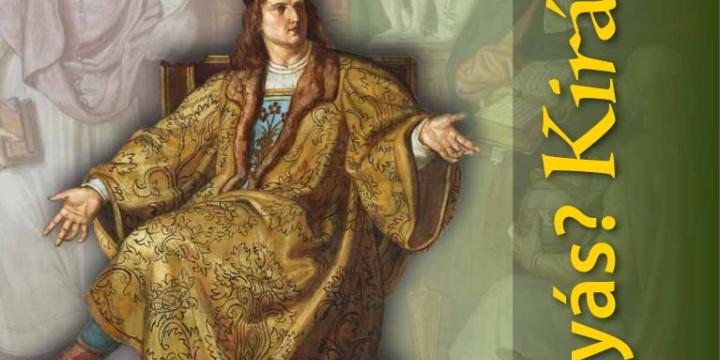
This hall presents the last half century of the medieval Kingdom of Hungary. Bordering the Ottoman Empire and under threat from it, the country was linked to Christian Europe by a thousand threads of political relations and culture. The court of King Matthias Hunyadi (1458–1490) was characterised by the coexistence of Italian Renaissance and Central European late Gothic style. This phenomenon can be observed on two pews from the same church.
Fun facts:
- Royal coats of arms on buildings and other important objects of daily use do not necessarily refer to the king as commissioner, it is indicative of the ruler under whose reign the article was completed. That is why the coat of arms of King Matthias Hunyadi appears on the late Gothic church pew in Bártfa.
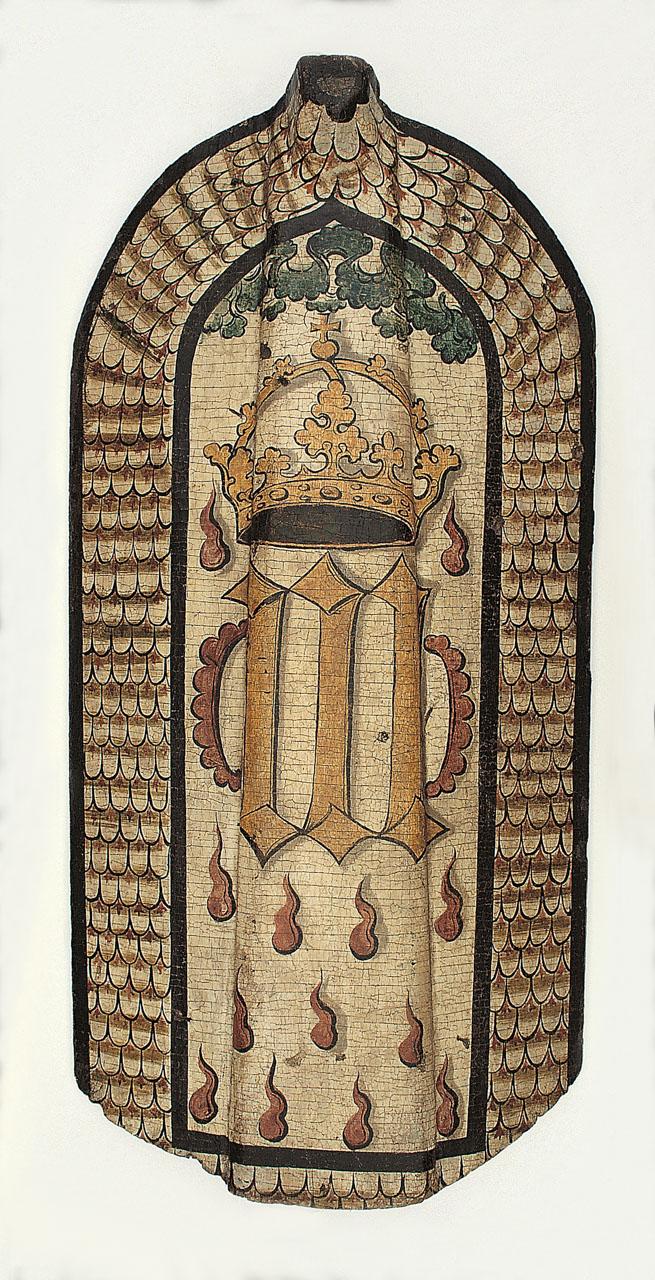
- The letter M on the ornately painted shield used in the army of Matthias Hunyadi refers to King Matthias.
- A coin was minted in 1515 to commemorate the engagement of Louis II to Mary of Habsburg.
- The Renaissance furniture depicted Gothic style towered cityscapes with inlaid decoration, popular at the time, testifying to the technique and the independence of the masters from Italy.
- The sarcophagus slab covering the tomb of Pál Kinizsi, the legendary Turk-slayer commander of King Matthias, who died at the siege of Szendrő in 1494, is exhibited in this room, together with Pál Kinizsi's mail shirt and broadsword (although the identity of their original owner is not clear). Kinizsi's bones lie in an unmarked grave in the cemetery next to Saint Stephen's Church in Nagyvázsony.
The silk tapestry was crafted before 1476, probably in the workshop of Francesco Malocchi, the most famous Florentine weaver of the 15th century, designed by Antonio Pollaiuolo. It shows the coat of arms of King Matthias and his countries (Hungary, Dalmatia, Bohemia) in a rich Renaissance ornamental composition. The coat of arms of Matthias was later overlaid with his own by Tamás Bakócz, Archbishop of Esztergom.

An infantry standing shield covered with leather on both sides, made of lime wood board, from c. 1480. The main motif on segmented body with scaly frames is a closed crowned Gothic letter M, referring to King Matthias I. Underneath, red flames fill the exposed surface. The lower end of the standing shield has been cut off. In 1848 it was a donation of the City of Vienna to the National Museum.
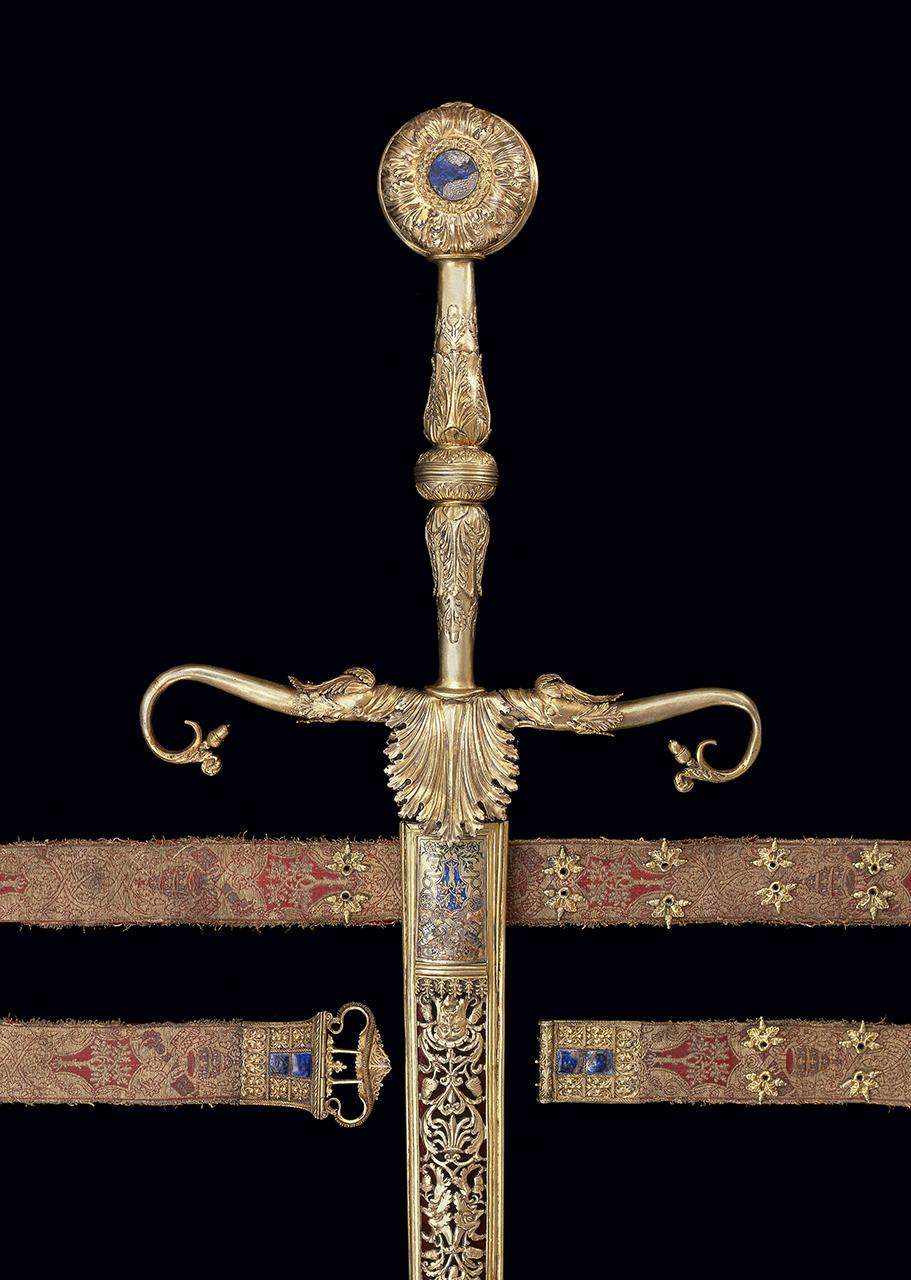
The sword, with its ornate scabbard decorated with the papal and della Rovere family coat of arms, was a gift from Pope Julius II, presented to King Ulászló II by the Pope's envoys at the Diet of Tata in 1510, as an urge to set out on a campaign against the Turks.
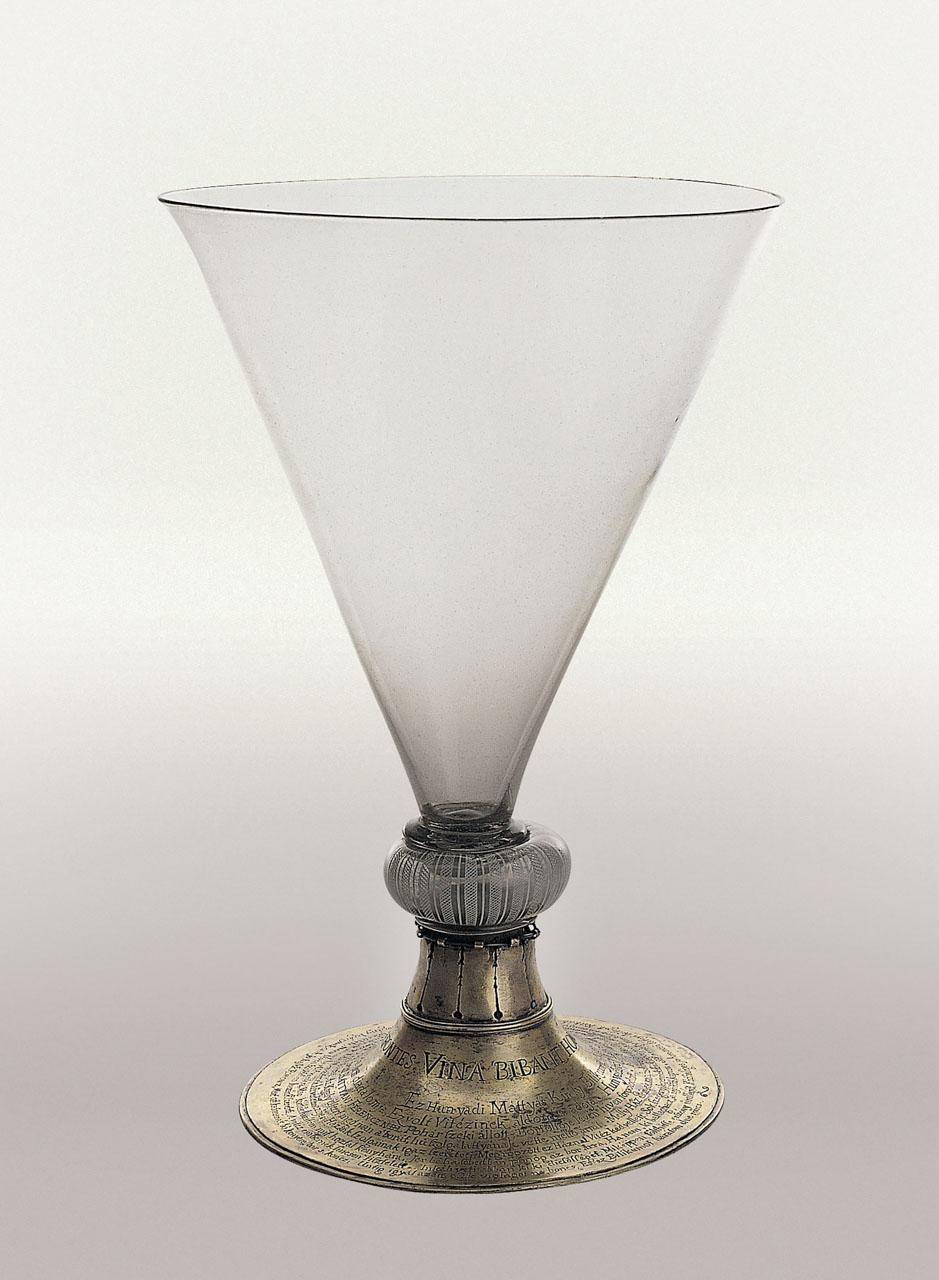
The late 17th-century inscription on the goblet's base links it to King Matthias, although its specific technique (vetro a retortoli) was patented in Murano only in 1527. The goblet survives as a legacy of the Batthyány family, because members of the family held the office of Lord High Cupbearer to Louis II and later the Habsburgs, so it is assumed that the magnificent piece originated in Habsburg use and was later reinterpreted as part of the 17th-century cult of Matthias.