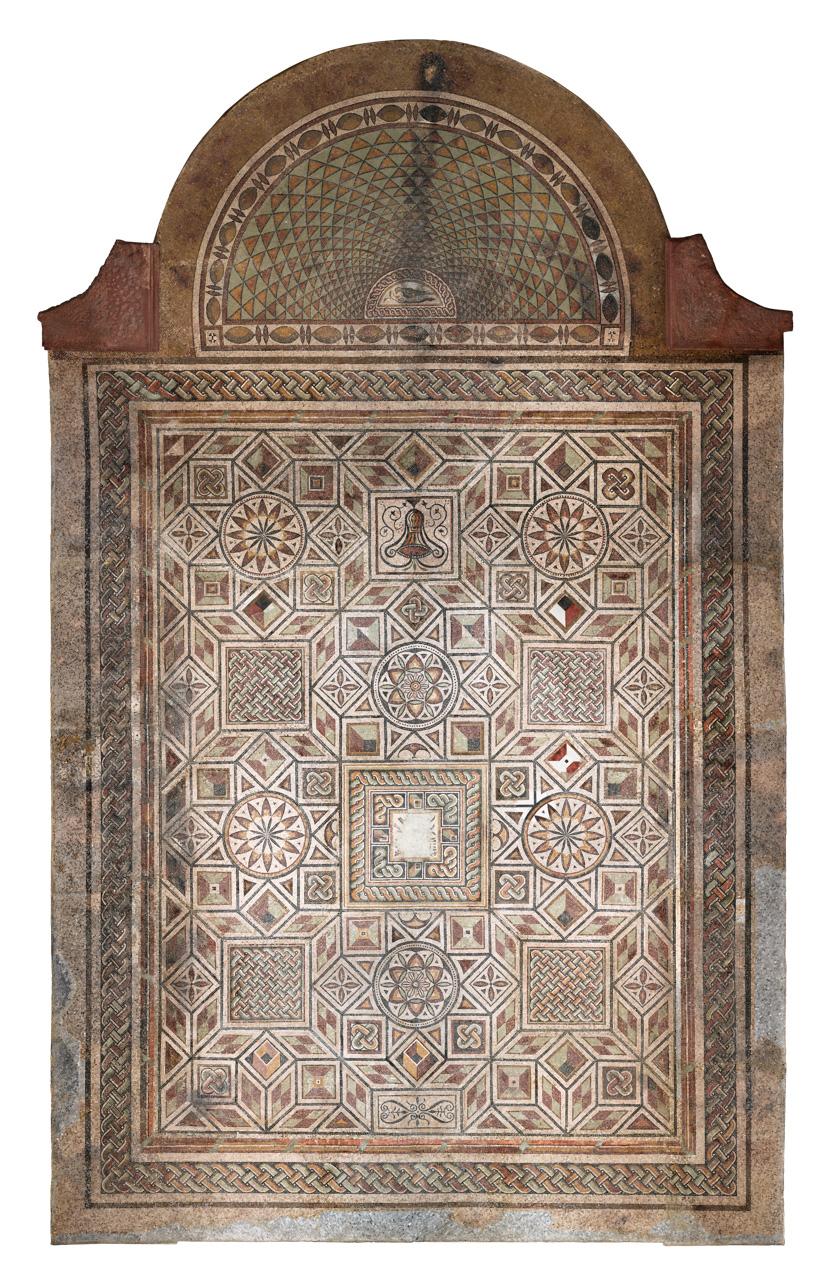
The Lapidarium – the Roman stone collection of the Hungarian National Museum – is housed in an exhibition space under the southern courtyard of the central museum building, in one of the rooms of the adjoining cellar system.
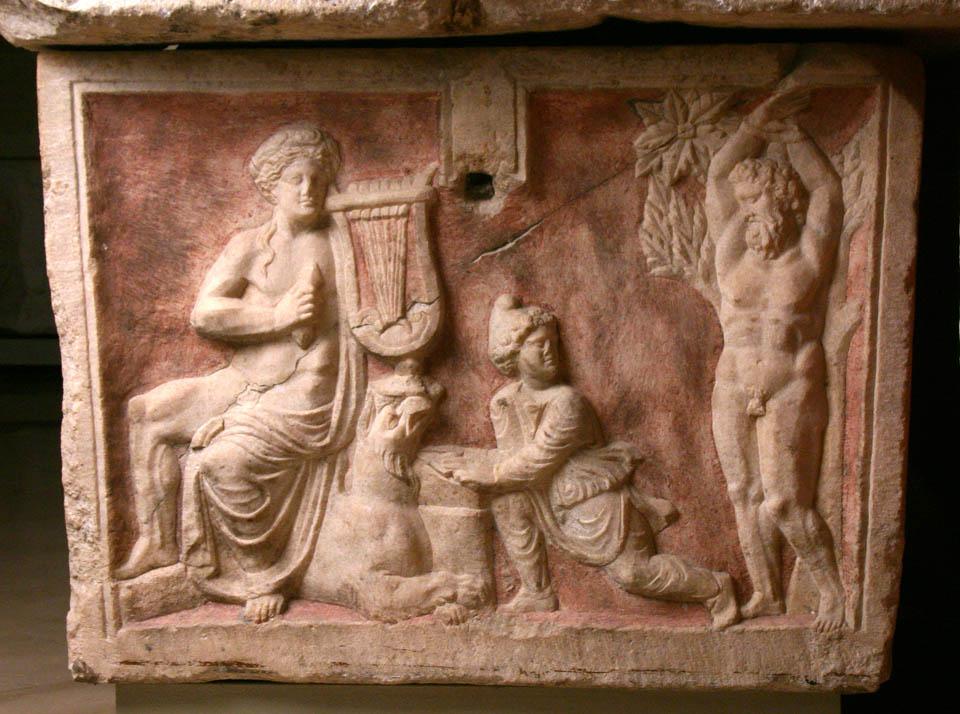
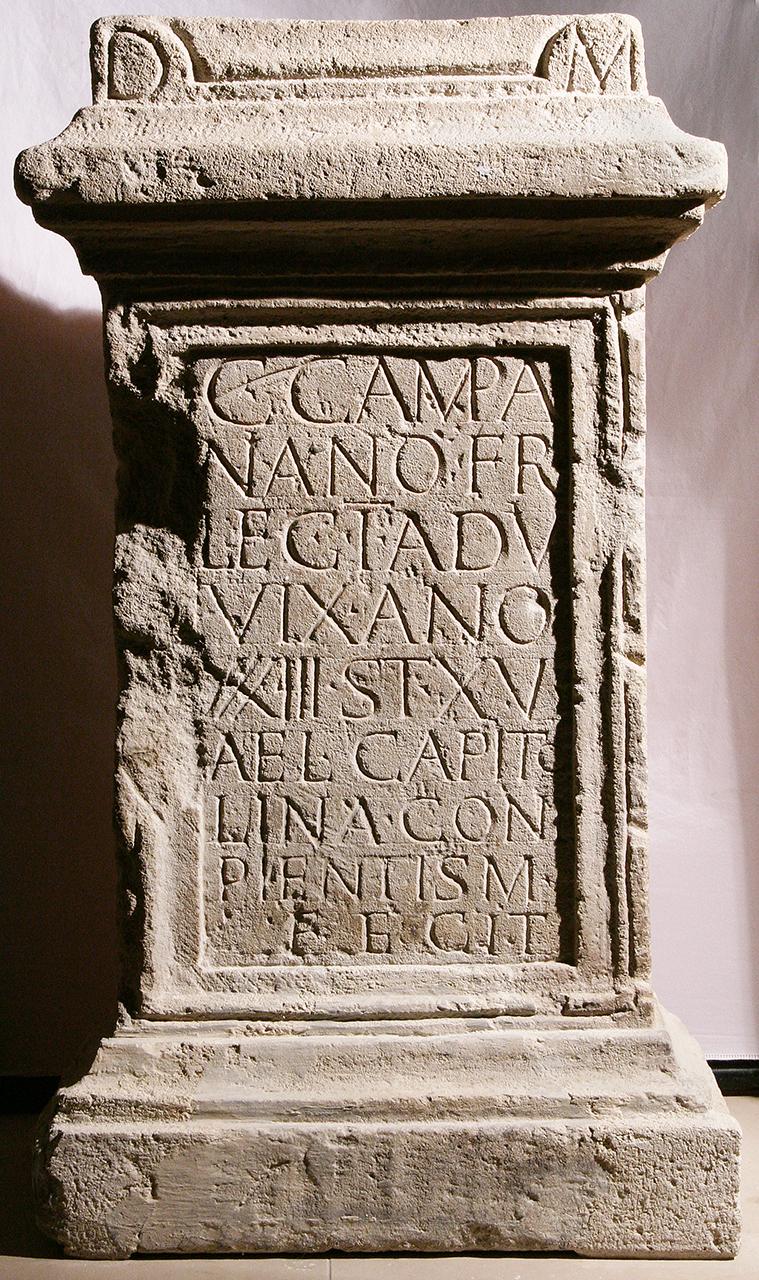
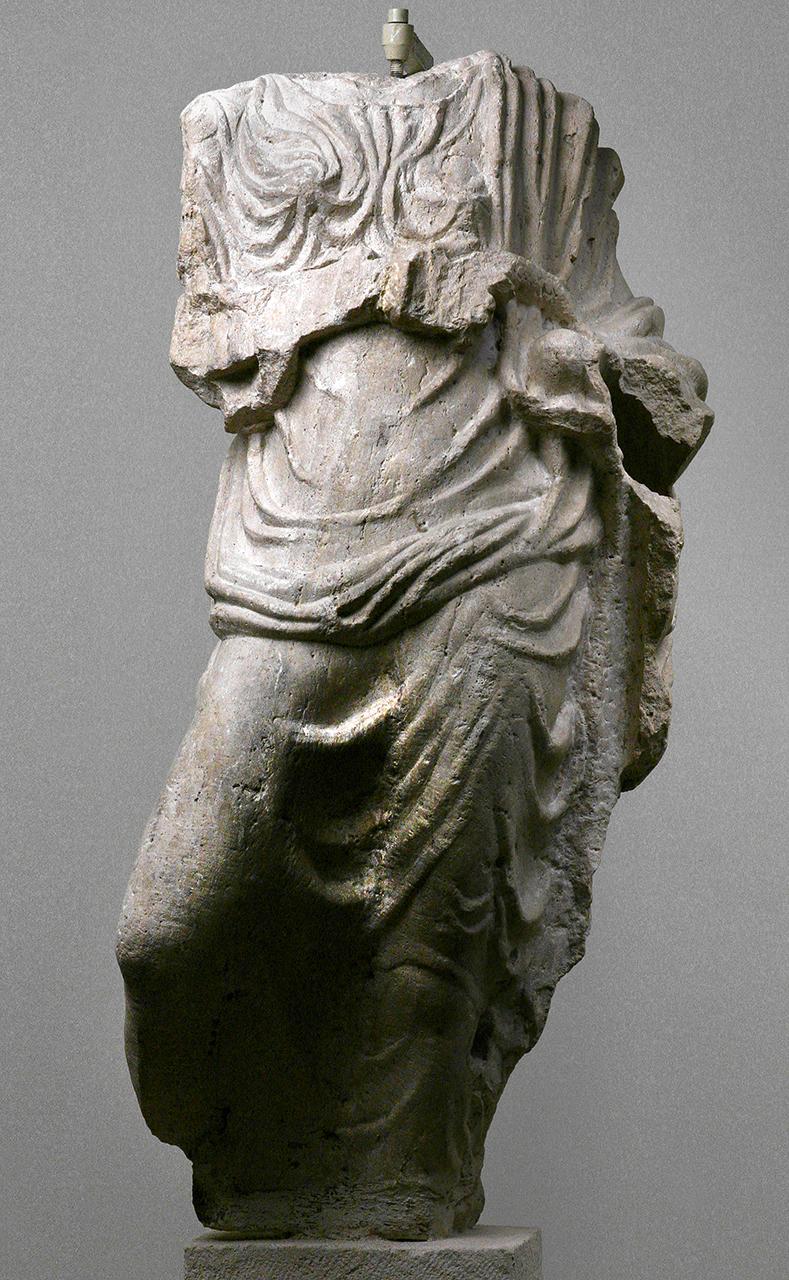
The exhibition presents the most characteristic types of stone monuments from the museum's rich and internationally renowned collection: urns, tombstones, sarcophagi, parts of small temple-shaped tombs (aedicula), votive altars dedicated to gods and inscriptions intended to record construction projects.
The stone monuments add to our knowledge of the history and art history of Pannonia from an age few historiographical records have survived. Their inscriptions bring us news about the structure of the native population of provinces, about the society and offices of the Roman immigrants, and even inform us about economy, the location of military troops and the origin of the soldiers. They are a valuable source of information on military and political events (construction of military posts along the River Danube border, imperial visits to several towns and military camps in the province).
Relief stone monuments with and without inscriptions, provide an insight into the burial customs and costume of the Romans, as well as into the everyday life of the inhabitants.
With VR glasses: