The history of the Székely Anthem
“It was not written to be an anthem but merely a psalm; it became one only because all Székelys identified with it, because all shared the memory that once, unknowingly and unwillingly, a flag was lowered in respect for it.”
In 1921, György Csanády devised a ceremony entitled Nagyáldozat [‘Great Communion’] with the aim of strengthening the sense of solidarity among Székely university students. The script of the ceremony included several sets of song lyrics, which Kálmán Mihalik set to music. One of these, originally bearing the title Kántáté [‘Cantate’], gradually became known throughout the country and later came to be recognised as the Székely Anthem.
György Csanády was born in Székelyudvarhely (today Odorheiu Secuiesc, Romania) on 23 February 1895. Following the Romanian occupation, he moved to Hungary. From 1929 onwards, he served as a director at Hungarian Radio. He died on 3 May 1952.
Kálmán Mihalik was born in Oravicabánya (today Oraviţa, Romania), Krassó-Szörény County, on 21 February 1896. He was only twenty-six when he died of typhus on 6 September 1922. At his funeral, his friends sang the Székely Anthem, which he himself had set to music.
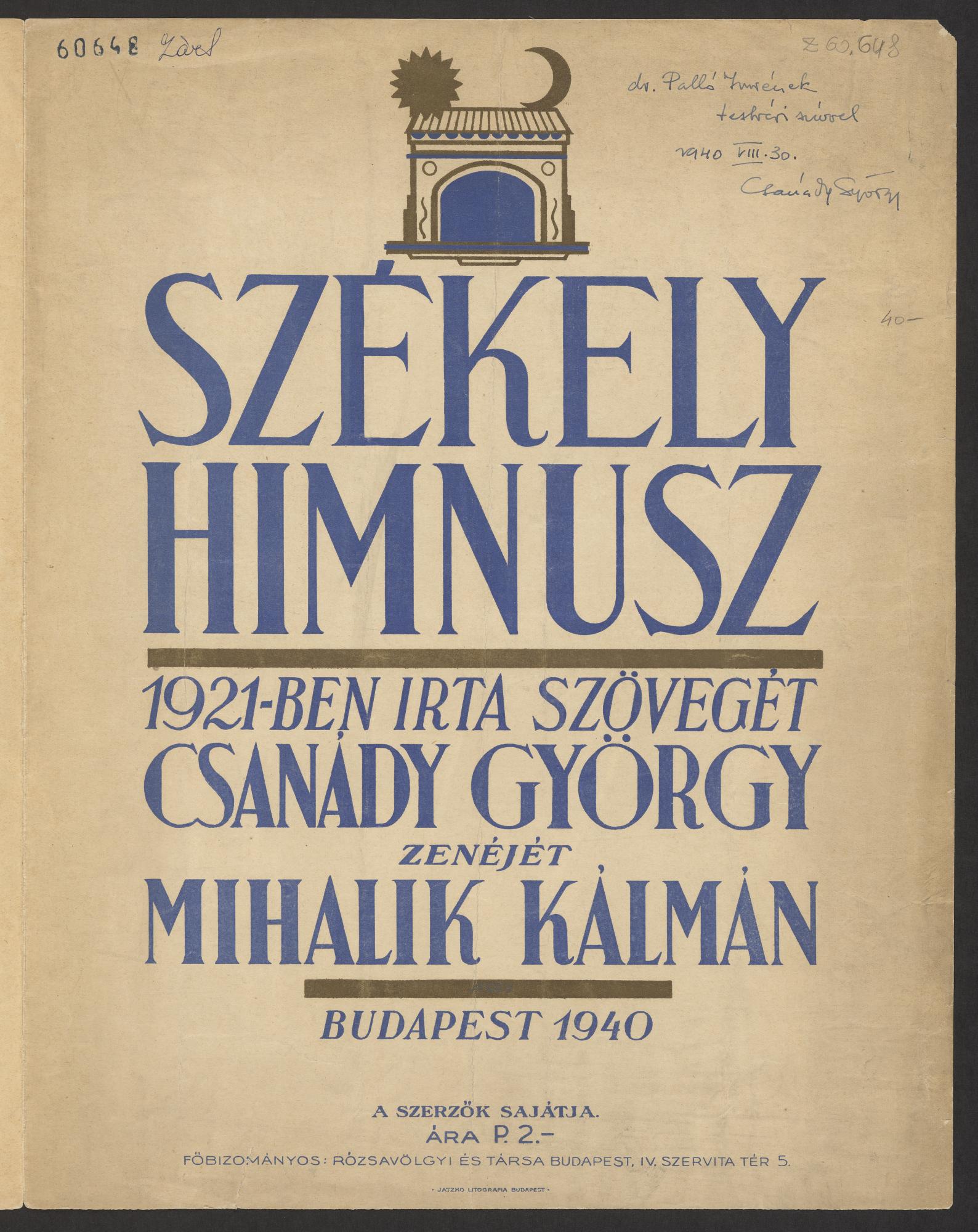
The Second Vienna Award of 30 August 1940 reannexed Northern Transylvania, including Székelyföld, to Hungary. The local population greeted the arriving Hungarian troops with a series of celebrations, at which those present sang the Székely Anthem. Through radio broadcasts, millions became acquainted with both the melody and the lyrics. Csanády subsequently published the sheet music of the Székely Anthem, as well as his book The Great May Communion.
In 1944–45, following the Soviet occupation and the establishment of Communist rule, the Székely Anthem was consigned to intellectual ‘captivity’. From 1946 onwards, it was prohibited in both Hungary and Romania and could be circulated only clandestinely.
Why did this particular composition become a second national prayer, an anthem of the Székelys? Because Hungarians as a whole accepted it, thereby elevating it to the status of an anthem.
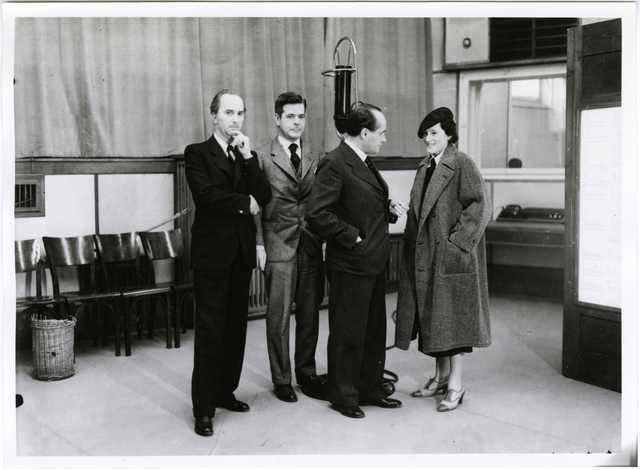
1.6 György Csanády directing a radio play in 1935 (HNM–Public Collections Centre, Hungarian National Museum, Historical Photo Collection)
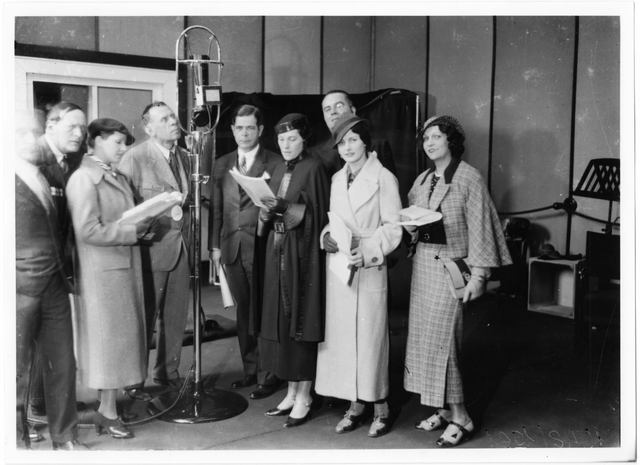
1.6 György Csanády directing a radio play in 1935 (HNM–Public Collections Centre, Hungarian National Museum, Historical Photo Collection)