How did the Árpád kings come to the throne of Croatia? What does this shared past of more than 800 years reveal? What do the walls of the ancient castles of noble families with both Croatian and Hungarian connections tell us? What have artistic relations between the two nations been like in the past centuries? We invite you to discover this rich, shared cultural heritage through a new virtual exhibition at the Galerija Klovićevi Dvori and the Hungarian National Museum in Zagreb.
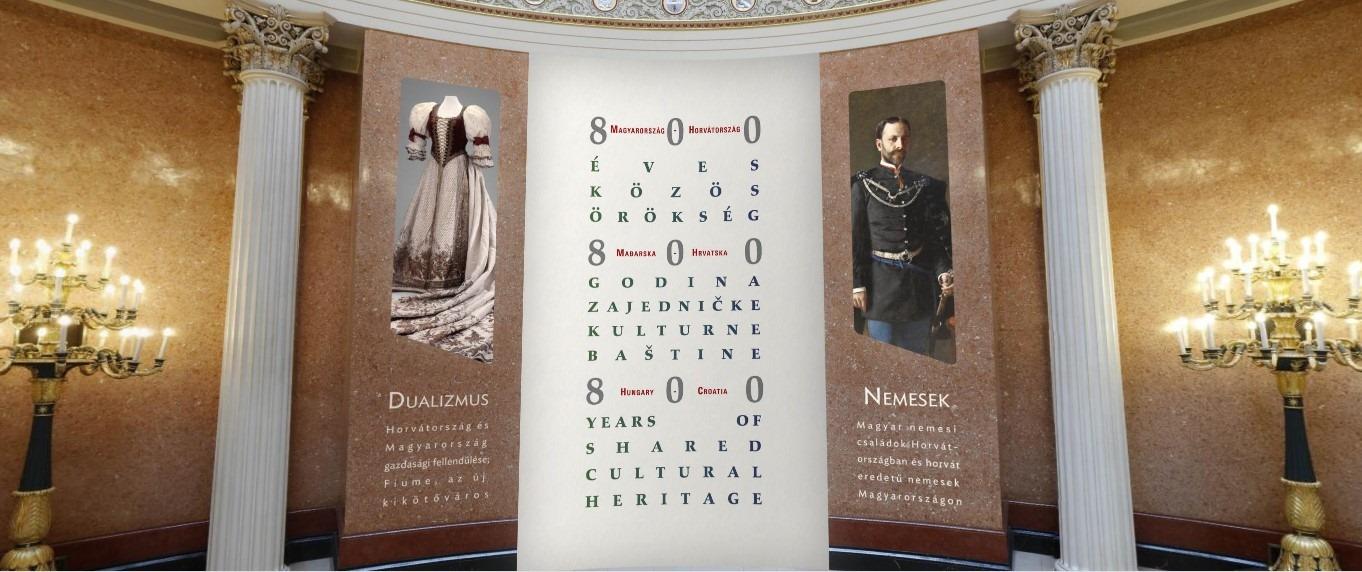
The virtual exhibition is a joint project of the Hungarian National Museum and Galerija Klovićevi Dvori (Zagreb). Our aim is to present the Croatian-Hungarian cultural and cultural-historical relations in a broad and visual way, thus strengthening the experience of the two nations belonging together. 800 years of common heritage is very diverse, we have identified the main nodes in 8 blocks. The virtual exhibition, which currently consists of 60 objects, guides the visitor through the representative spaces of the Hungarian National Museum, the Dome, the Ceremonial Hall and the Fireplace Rooms, partly chronologically and partly thematically.
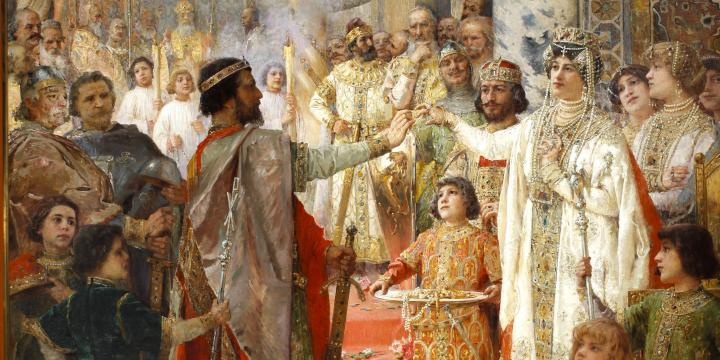
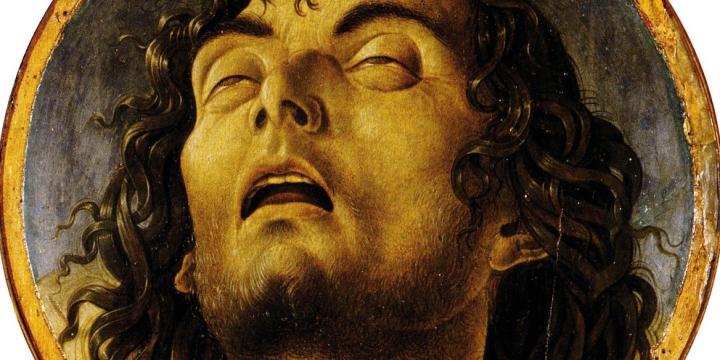
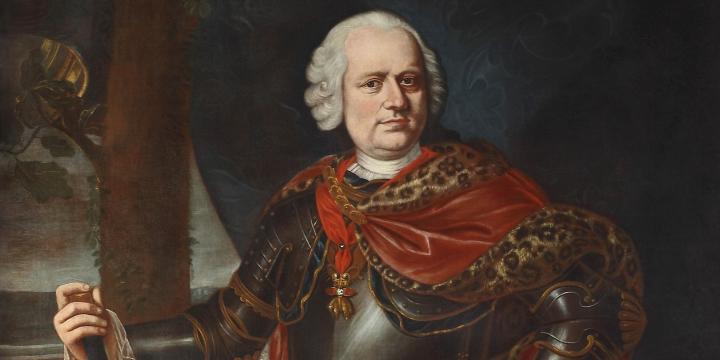
The coronation of Kálmán the Elder in 1102 was the defining event of the Middle Ages, establishing the Hungarian-Croatian personal union. The first centuries of our common past also left their mark on Croatian historical painting. A separate chapter is devoted to the influence of the Renaissance, and due to geographical proximity, Italian humanism also had a strong influence in both countries. The heraldic representation of the Croatian-Hungarian commonwealth, in which the relationship between the partner countries was expressed in many ways, is a special feature of early modern contacts. In the Baroque period, both states had a vivid veneration of the Hungarian holy kings. To illustrate this common cult, several examples are given from the iconographic programme and liturgical objects of the Zagreb Cathedral. A special section is devoted to the most prominent family of the period, the Zrínyi. Their activities in the spirit of dual patriotism left an indelible mark on the culture and art of both countries.
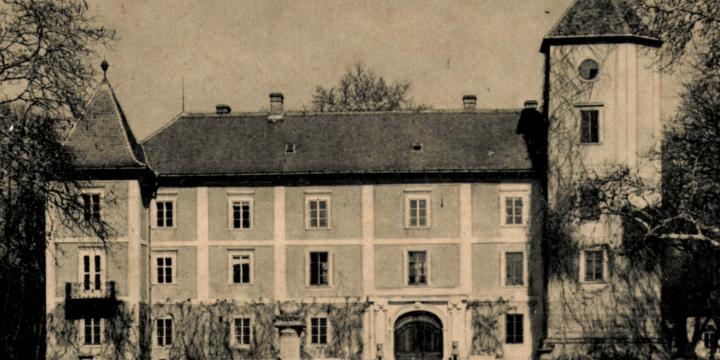
After the Austro-Hungarian reconciliation, the constitutional relationship between Hungary and Croatia was settled in 1868, during the dualism period: Hungary and Croatia-Slavonia formed a community of states, but within this Croats were a political nation with a separate territory. The role of Rijeka is noteworthy for its importance, as a prosperous port town open to the world, it provided a unique blend of cultures and mentalities of the nationalities. The mobility between the two countries is well illustrated by the noblemen's life paths. From the 17th century onwards, many noble families of Croatian origin from the 17th century can be traced in Hungary, and Hungarian aristocratic families in what is now Croatia became the founders of a common cultural heritage.
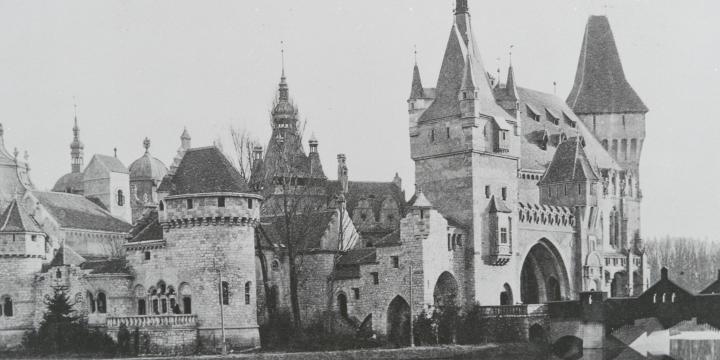
Thanks to the Reconciliation, Croatia-Slavonia was represented independently at the great exhibitions of 1885 and 1896, which were organised to showcase the economic, industrial and cultural boom of the Kingdom of Hungary. In a separate section, we look at architectural relations in the 19th century, with Hungarian architects commissioned by Croatia and Croatian artists and craftsmen exhibiting their works at the Millennium Exhibition in Budapest.