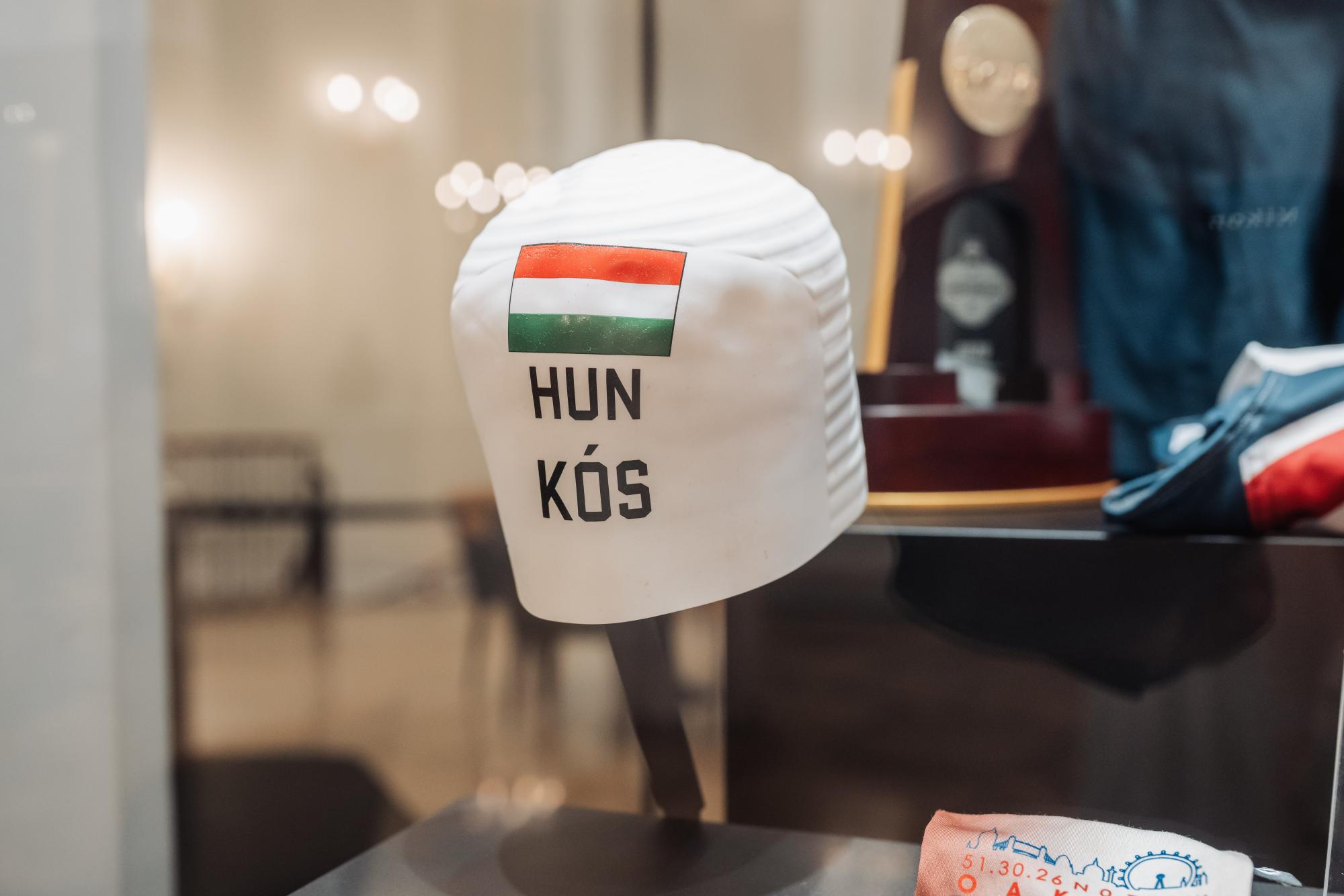
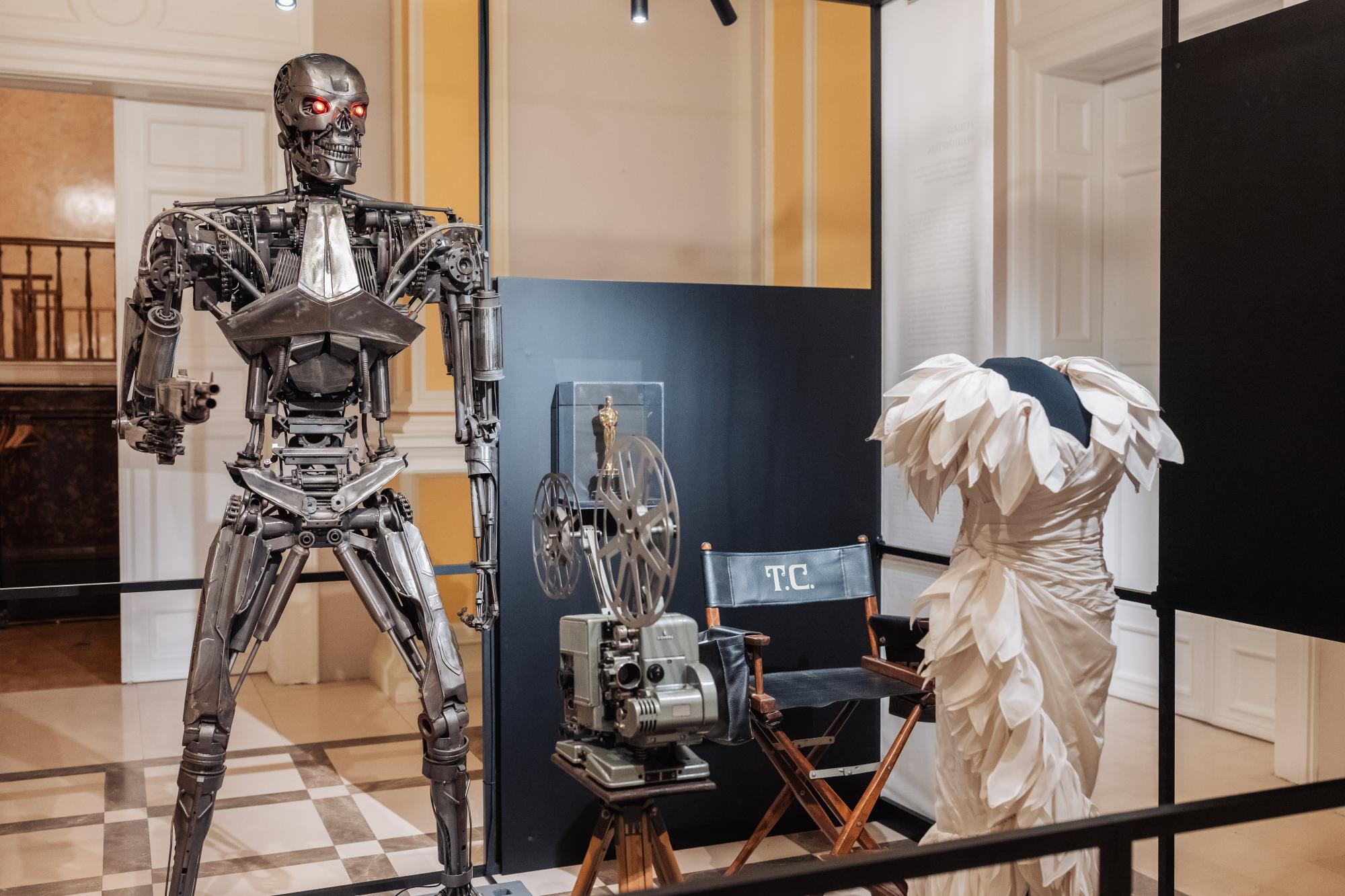
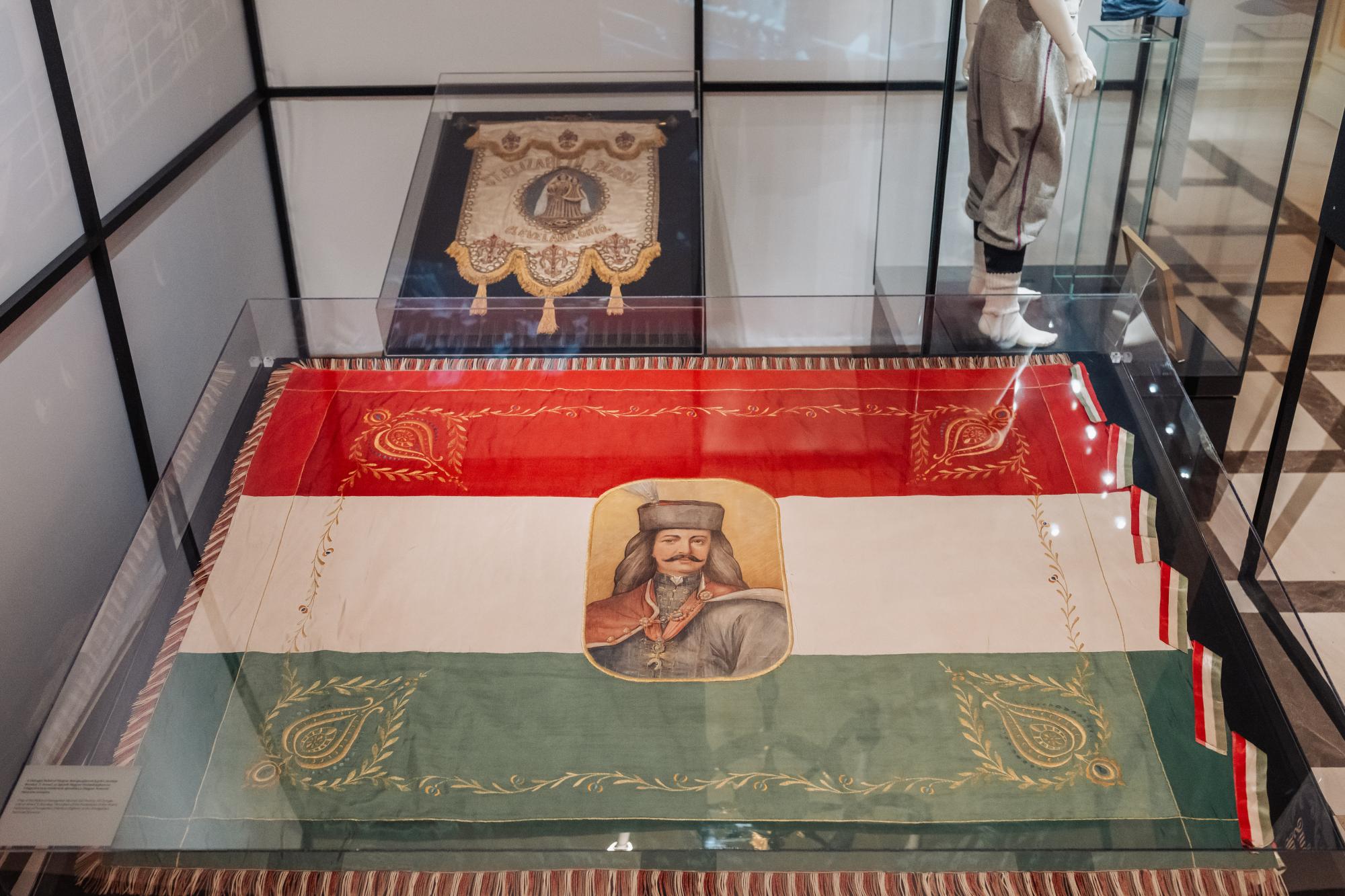
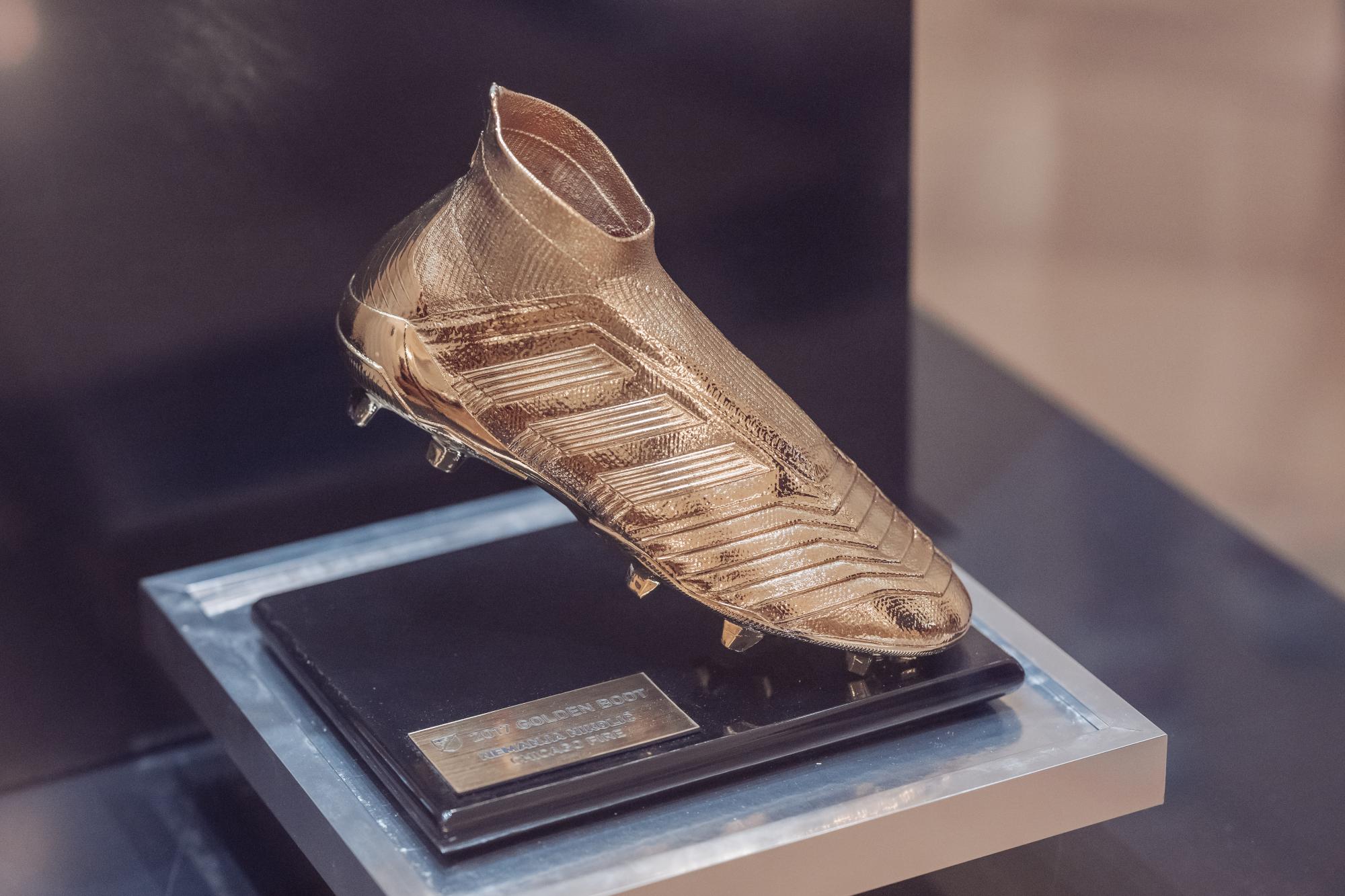
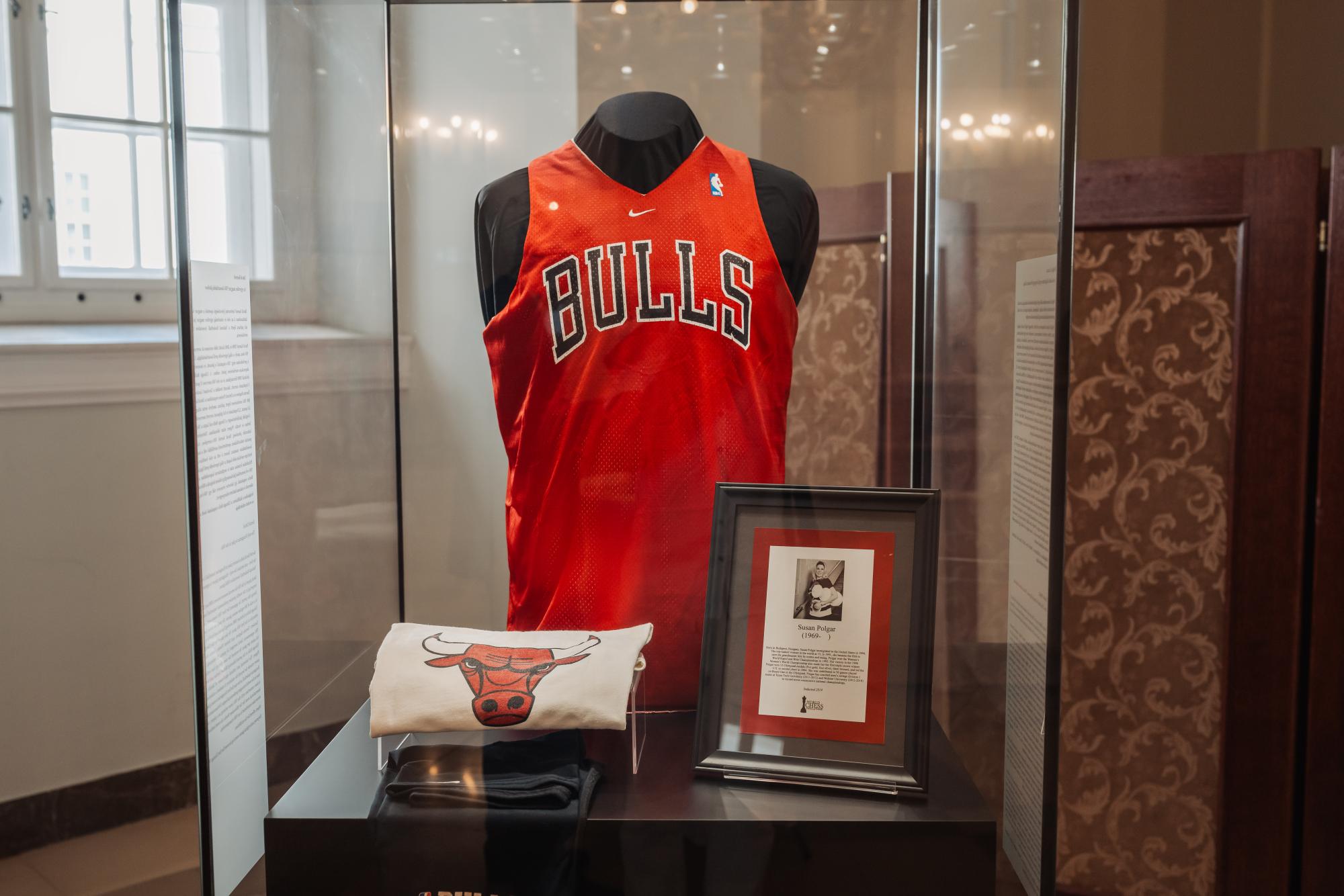
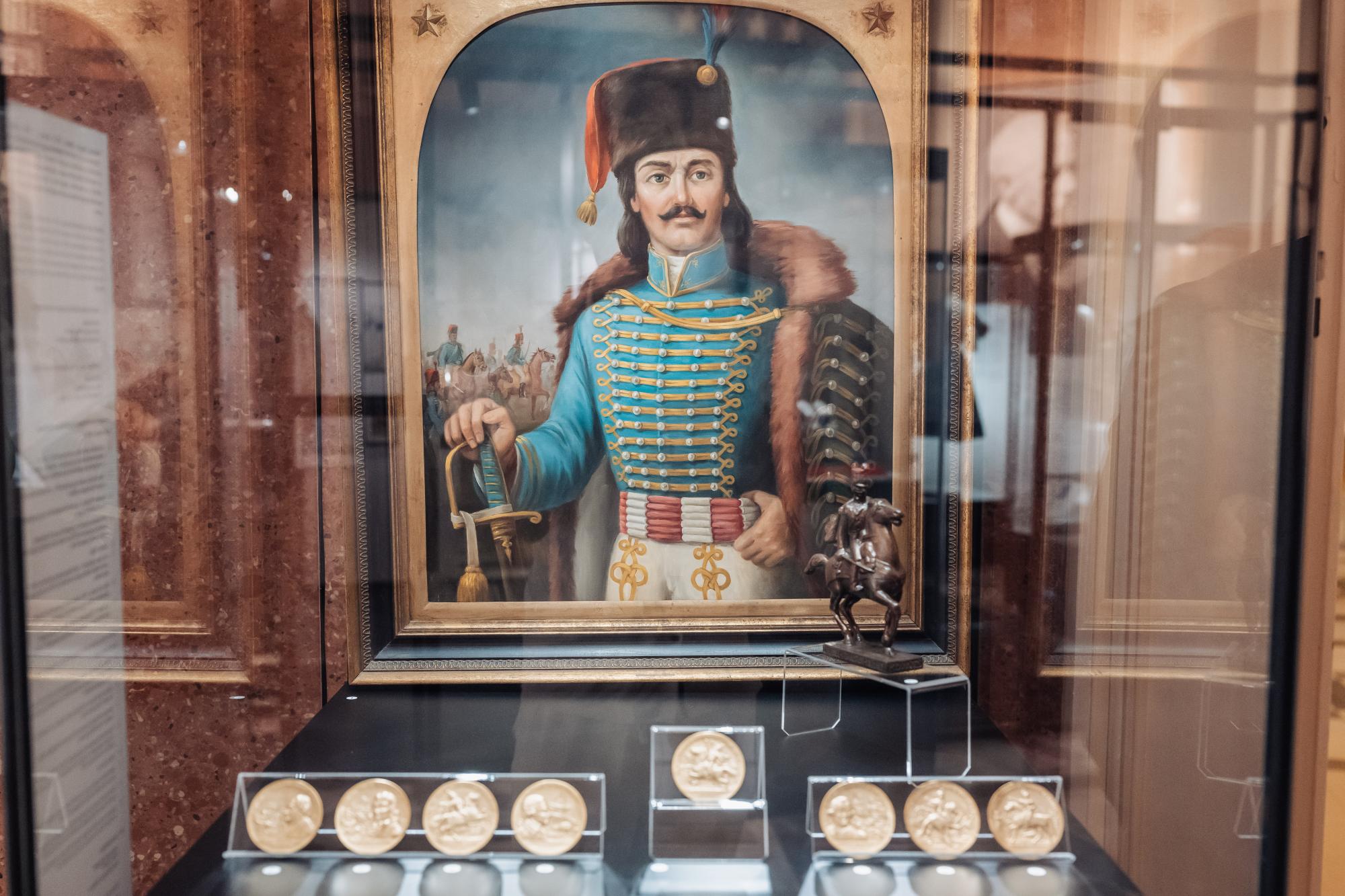
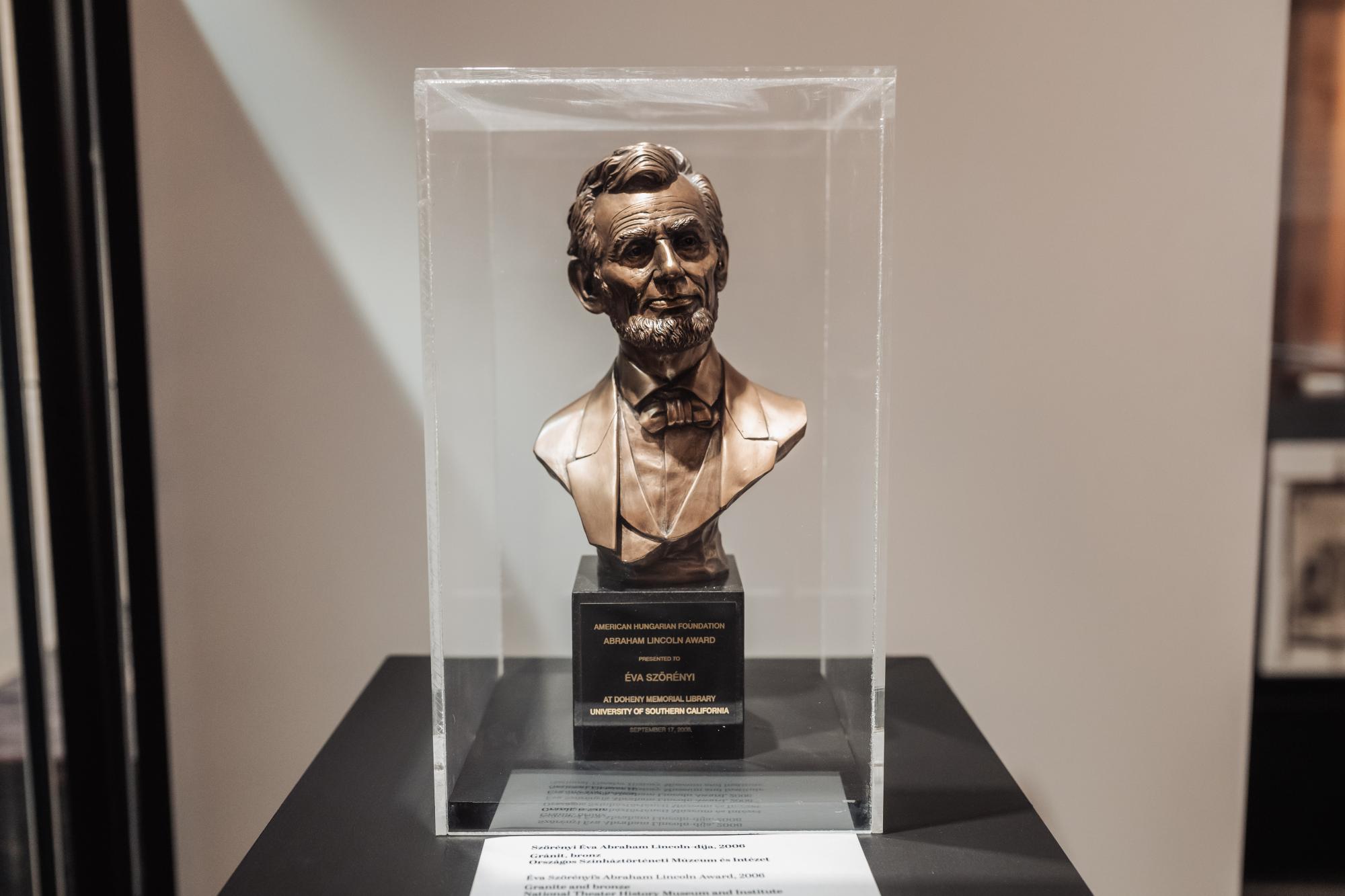
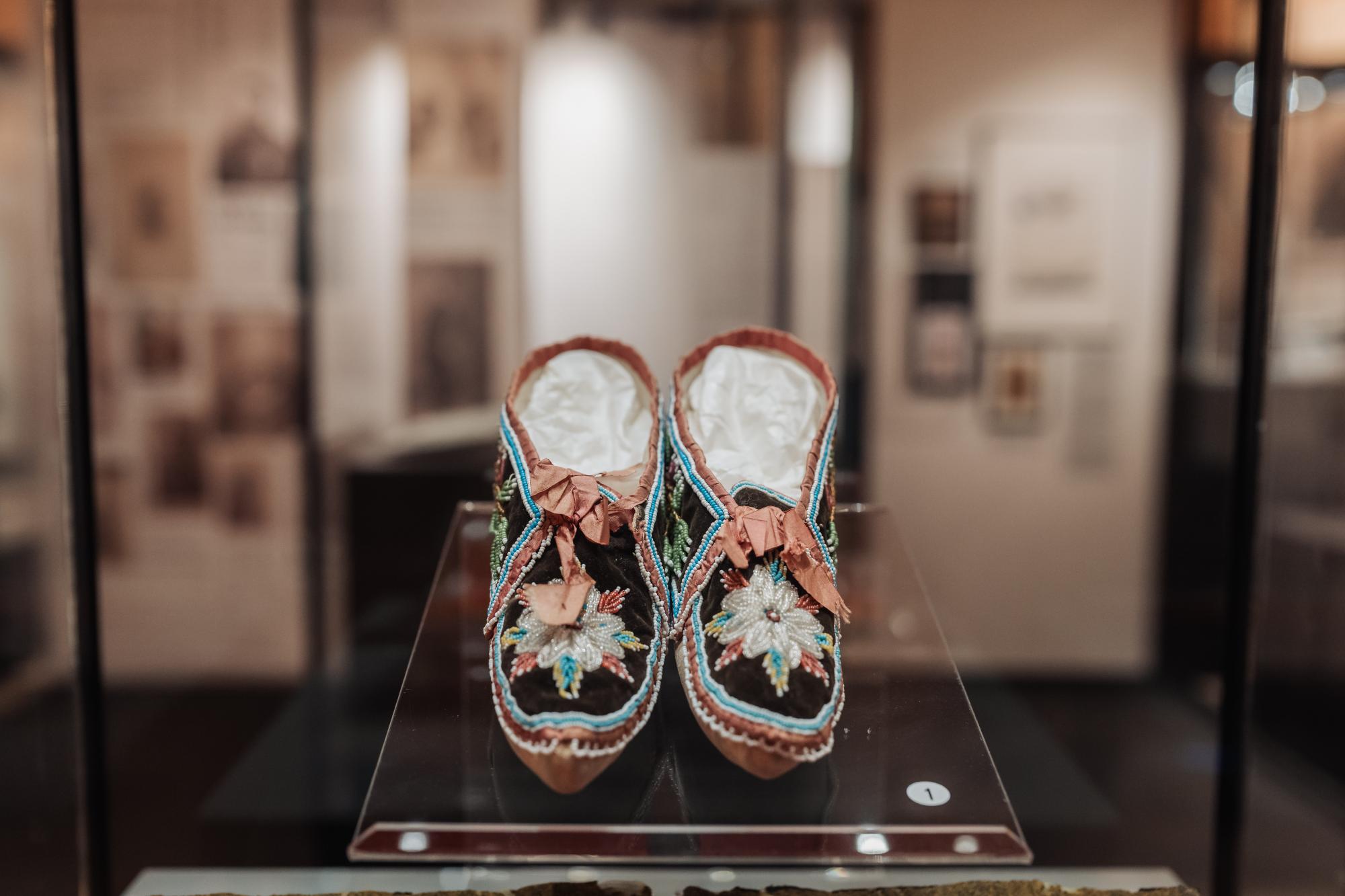
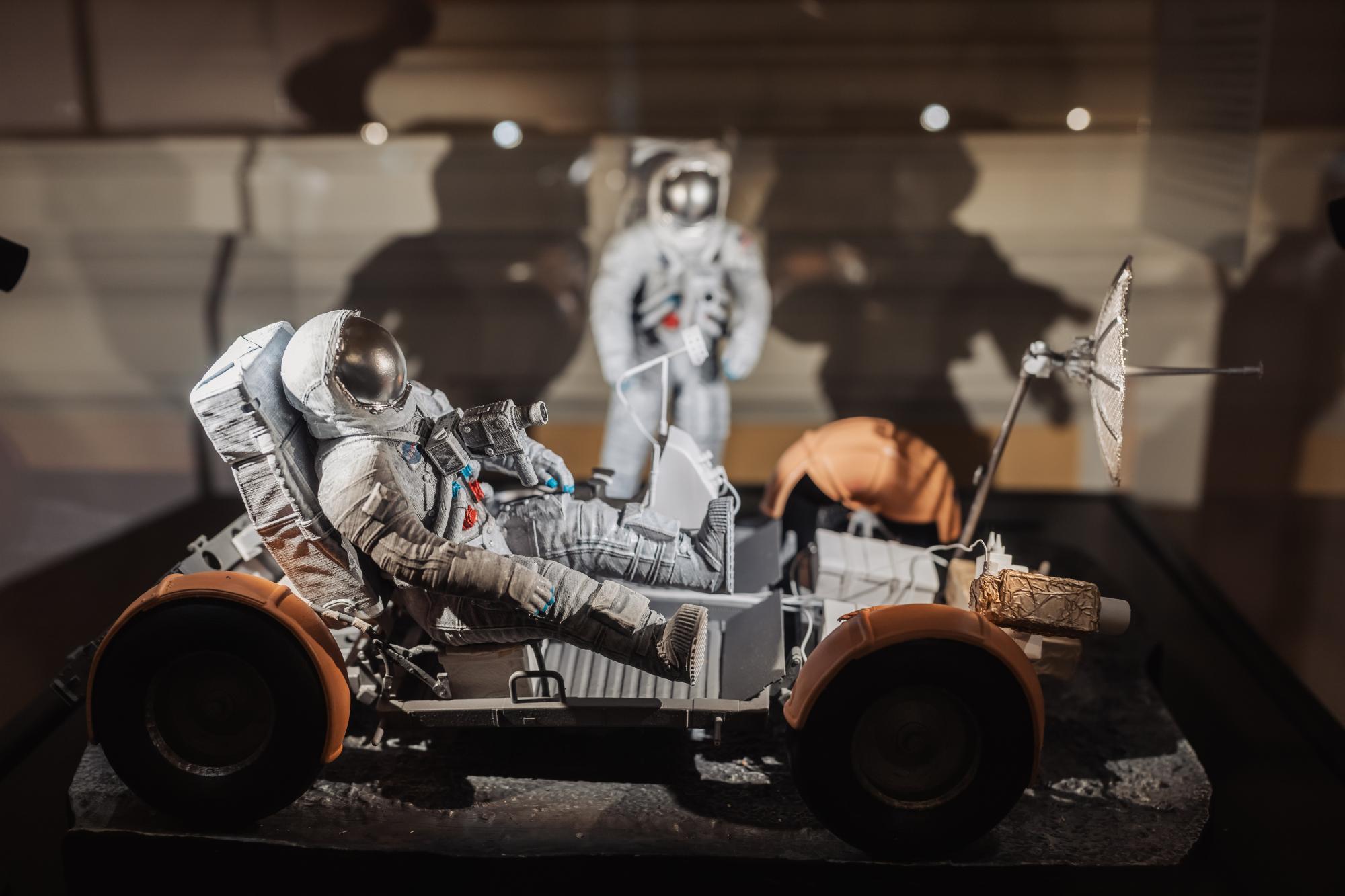
In the summer of 2026, the Hungarian National Museum is undertaking an almost impossible task: to mark the 250th anniversary of the adoption of the American Declaration of Independence by presenting the diverse and eventful history of Hungarian emigration and the Hungarian diaspora. This is a story of hopes and losses, fresh starts and disillusionment, triumphs and failures, but above all of roots and the lifelong search for home. It comes to life in the most ceremonial spaces of the museum's neoclassical building: on the grand staircase, beneath the dome, and in the adjoining fireplace rooms.
Millions set out for the far side of the ocean. The fortunate and the unfortunate, the poor and the wealthy, adventurers and refugees left their homeland behind to seek opportunity, freedom, and a future in the New World. For many, the ’Promised Land’ meant the hope of advancement: the belief that in the United States anyone could shape his or her own destiny through hard work and perseverance. For some, the American dream came true; for others, it brought only struggle, hard labor, and the experience of being a stranger. Most quietly built a new life, but some left a lasting mark on human history through their names and their achievements. Yet all of them, through their work and talent, served not only their own future but also the rise of the United States of America.
It is important that we know these stories, because the lives of emigrants and diaspora communities are as much a part of our national past as the lives of those who remained at home. Hungarians who moved far away carried with them their language, culture, memories, and traditions, while also becoming active participants in building their new homeland.
Beyond the American dreams of millions of Hungarians, we also wish to show how the ideals of freedom and equality, the political message, and the economic example of the United States of America influenced Hungary's civic development and public thinking. At the same time, the exhibition seeks to unveil how Hungarians enriched the history of the ideas of freedom, democracy, and equality. We recall fellow Hungarians who had a significant impact on the development of the United States and the wider world. Through their stories, emigration becomes visible not only as the story of losing home but also as an opportunity to create new possibilities and lasting values.
Through stories of migration, freedom, rise, and success, we seek to present more than 250 years of historical and cultural ties between Hungary and the United States of America: a many-stranded relationship in which Hungarians not only found a new homeland, but also helped shape the world that welcomed them.
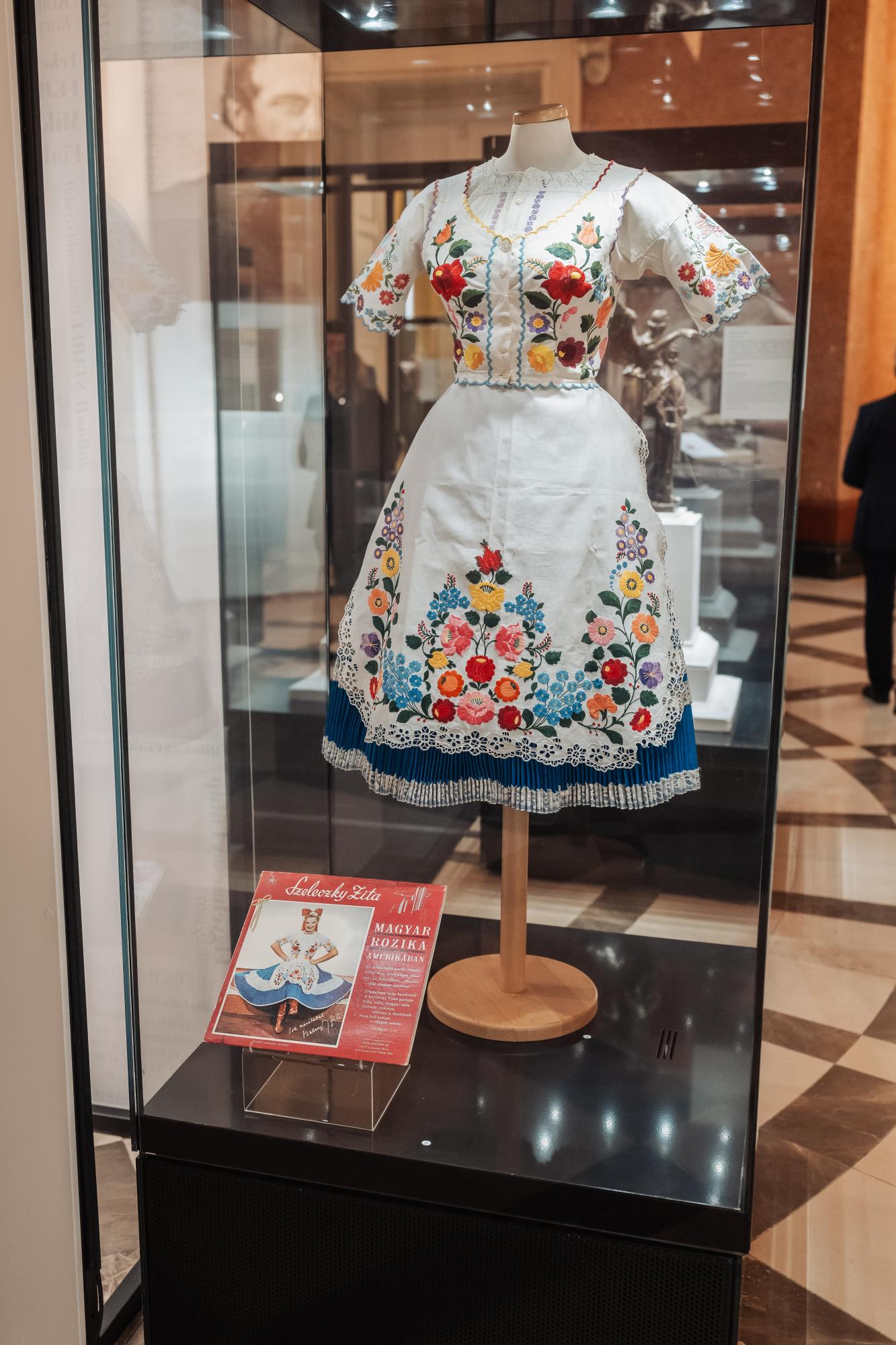
Here and now, a full historical panorama would be impossible to display. Our exhibition therefore does not aim to be exhaustive, but instead offers a kaleidoscopic view of defining moments in the world of ’Hungarian America.’ Smiles and tears, successes and failures, extraordinary lives and everyday fates are brought together in the objects on display. Memories of those who journeyed toward the ’Land of Freedom,’ those who trusted in the promise of prosperity, and those who longed for world fame enter into conversation with one another. From the hussar of the Hungarian War of Independence of 1848 to the ‘Martians’, from the freedom hero giving speeches to the peasant poet writing verse, from ‘Magyar Rozika’ to Zsa Zsa Gabor, many lives are woven into this unusual story. Yet one thing binds the many threads together: attachment to the homeland. The actress sings of love for the land of her birth, the poet grieves with homesickness, the freedom fighter struggles for his country, and the émigré returns home again and again in his dreams.
"We are in the world so that we may be at home somewhere in it," hears Ábel, the Székely lad in Ábel Tamási’s novel, at the very end of his American adventures, and with this realization he can return to the land of his dreams: the Hargita Mountains.
Like the fortunate Székely lad, some eventually found their way back to the land of their birth, while others were welcomed by America forever. They found a new home overseas, but kept Hungary in their hearts. This exhibition is about them. Their story is both a Hungarian and an American story; for a nation's heritage does not end at its borders, but it lives on wherever its sons and daughters find a home.
The first object in our exhibition is the legendary Ford Model T, the first car for the people, an automobile designed for the masses, made with interchangeable parts, and produced on an assembly line. A key figure in its development was József Galamb (Makó, 1881–Detroit, 1955), the Hungarian designer at the Ford Motor Company. This car revolutionized automobile manufacturing. Between 1908 and 1927, 15 million were produced, a record that no other car model surpassed until 1972. Henry Ford hired József Galamb in 1904. Together with Jenő Farkas and the American Childe Harold Wills, Galamb directed design and production. He designed the car's planetary transmission and chassis, the mechanical clutch is also associated with his name, and his organization of work made mass production possible. Thanks to him, the world's first assembly line was created, allowing the factory to produce thousands of Ford Model Ts each week.
Thus the very first object on display offers a clear example of how Hungarians contributed to the American success story: they were not only witnesses to the birth of the American dream, but actively shaped it.