As museum artefacts, the earliest pieces in the Furniture Collection date back to almost the same period as the institution. The bequests of Archduke Joseph Palatine of Hungary, Ferenc Deák, Lajos Kossuth, the Széchényi family, the Apponyi family, the furniture of defunct state bodies, institutions, social, cultural and economic organisations and individual purchases have enriched the collection. From the beginning of the 19th century, the collection was classified as part of the Collection of Coins and Antiquities, and within it formed a group of historical relics, and at the beginning of the 20th century it became the collection of the new organisation, the Historical Department of the History Museum. Its fate was decisively affected by the specialised museums that seceded from the National Museum – the Museum of Ethnography and the Museum of Applied Arts – and by the Queen Elizabeth Memorial Museum, the Parliamentary Museum, which was created and closed down in the meantime.
Contact: Dr. Klára Radnóti, radnoti.klara@hnm.hu, phone: +36 1 327 7716
History of the collection
At the beginning, items of the collection were kept as part of the group known as "antiquitates et raritates varii generis". In the last two decades of the 19th century, the Antiquities Collection was considerably enriched with Hungarian historical furniture. In 1881, 21 pieces of furniture from the estate of Ferenc Deák were added. In 1894 and 1895, the collection was enriched with historical pieces of furniture from the last apartment of Lajos Kossuth, who died in exile in Italy. Queen Elisabeth's furniture, donated to the National Museum by the Emperor Franz Joseph, included a desk, an armchair, a bookcase, some book and flower stands, a sofa, a reclining chair, tables, mirror, a chandelier, a candelaber and a fireplace screen, which formed the basis of the Queen Elisabeth Memorial Museum.
In addition to furniture associated with people, historical events and places, and therefore often considered relics, the collection also grew typical items from state and administrative offices, public authorities, economic bodies, guilds, institutions, churches and pieces from castles, palaces and bourgeois houses as well.
By the second half of the 1920s, the outlines of the present-day furniture collection emerged, and it still comprises the collection groups of Hungarian historical furniture and the surviving memories and sources of Hungarian cultural history in this particular genre.
After the merger of the medieval and modern collection sections, the memorabilia of the Furniture Collection today form a single collection with a unified historical profile. It houses medieval and modern material from the 14th to 20th centuries, its thematic groups are historical, personal relics and objects of relic character and value, ensembles, furnishings from institutions, unique objects, guild memorabilia, pieces indicating the material environment of certain social strata, styles and workshops.
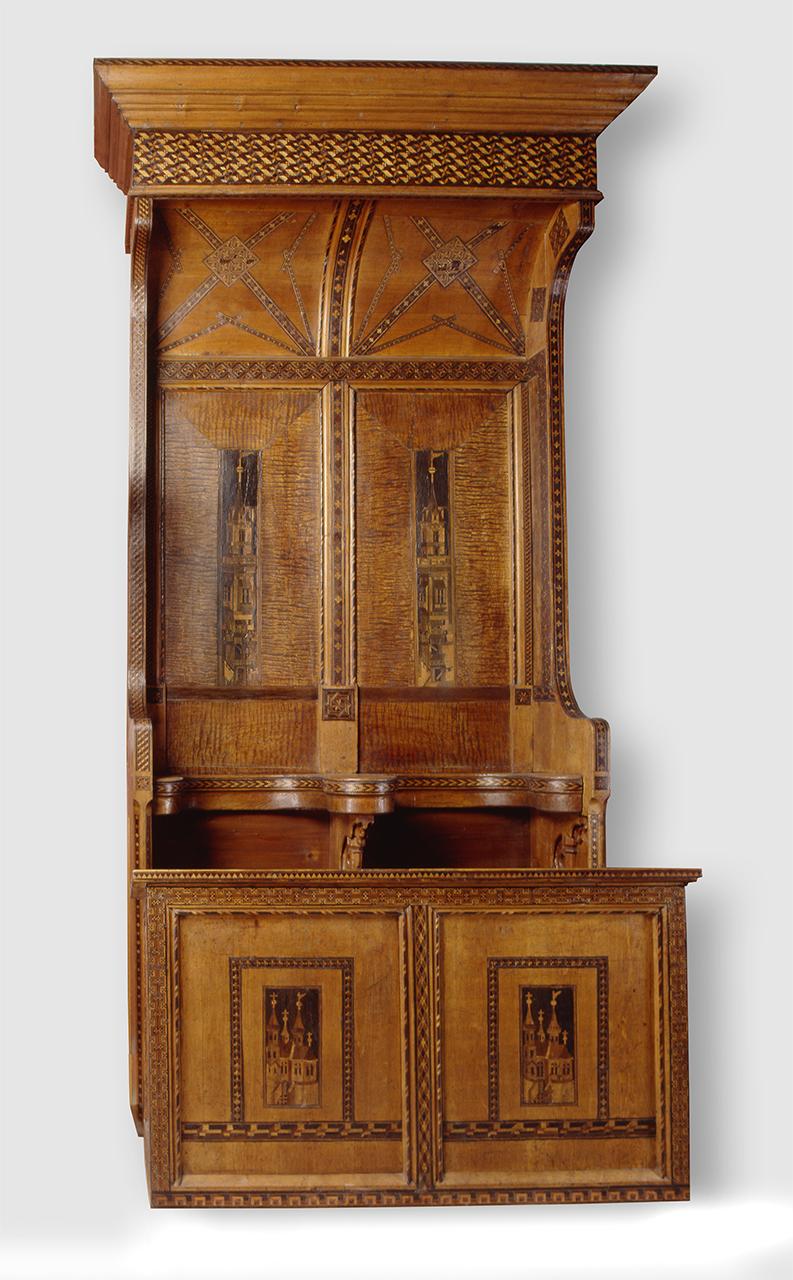
It was the choir stalls of the Church of Saint Egidius in Bártfa (now Bardejov, Slovakia). The high backrest and kneelers of the pew, crafted using a veneering technique learned from Italian masters, are decorated with inlaid medieval turreted town scenes. The bench, richly decorated with woodwork, was made in Upper Hungary in the early 16th century.
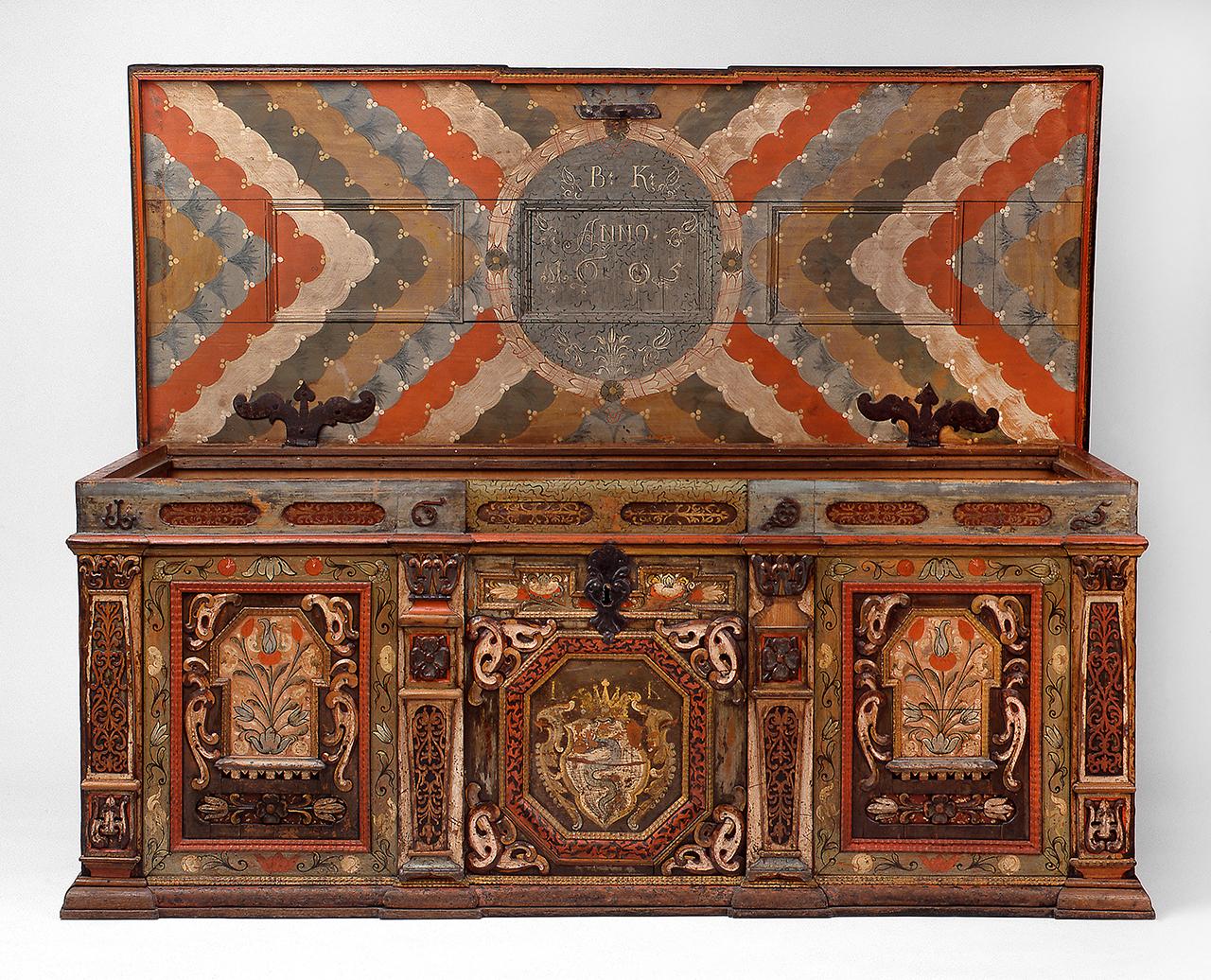
The painted chest, carved from hornbeam, was made for the wedding of Mihály Apafi II, Prince of Transylvania, and Kata Bethlen in 1695, as part of the bride's dowry. The chest was crafted following the prevailing style of the time, its material, form and decoration indicated the social status of its owner. The chest with the Bethlen coat of arms and date is a fine example of the so-called Hungarian style. The National Museum bought it from the descendants of the family in 1902.
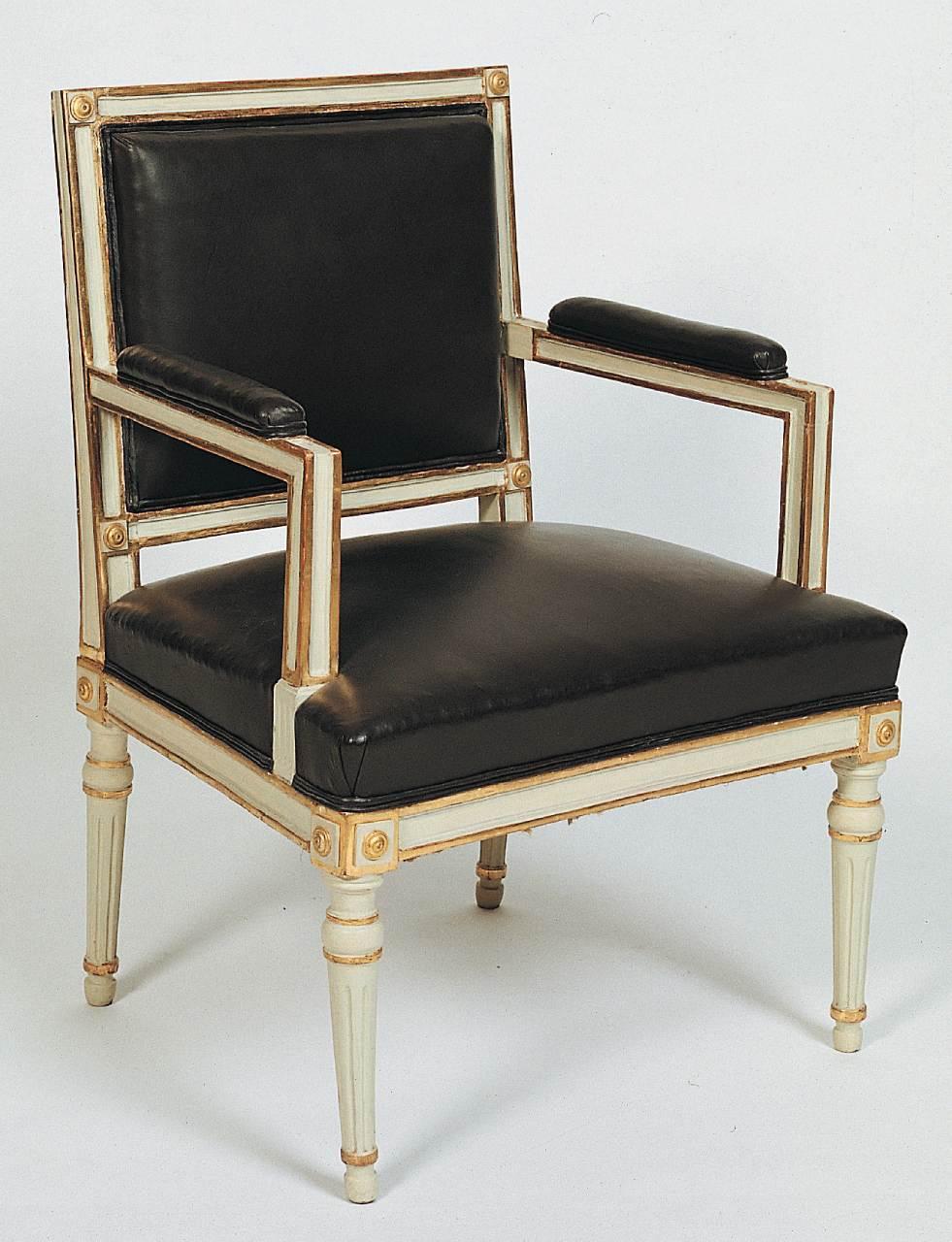
Archduke Joseph Anton Johann (1776–1847), Palatine of Hungary, the "most Hungarian of the Habsburgs", also did a lot to develop the National Museum. According to the inventory book, it was this armchair which the "late Archduke Joseph used for more than 40 years as the chairman of the governorate." Its backrest is rectangular, so are its armrests, the legs are downward tapering columnar legs, painted with a white ground with moderate gilding. The leather upholstery was replaced again in 1969. It is now on display in the Reform Era Hall of the Permanent History Exhibition.
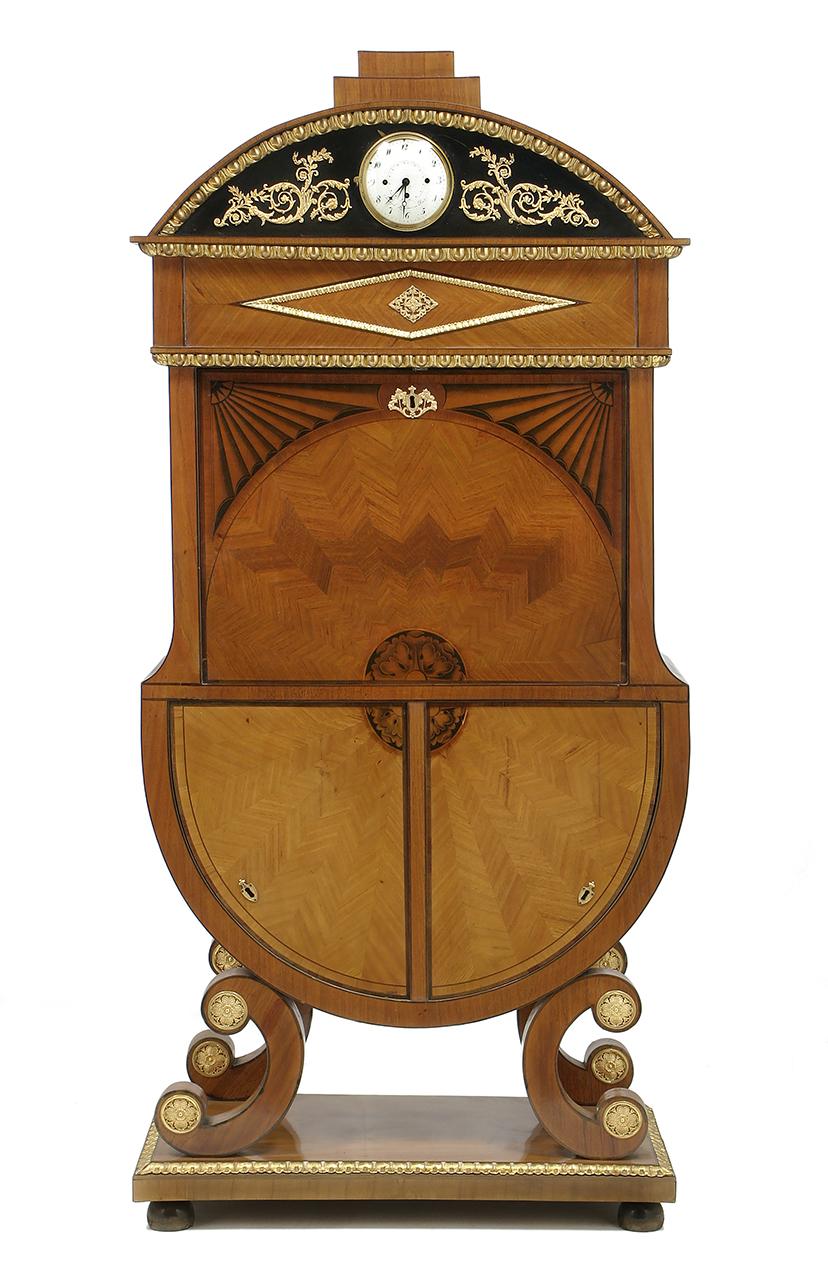
The most typical decorative furniture of the 1810s is the escrisecretary desk, especially the lyric or oval shaped ones. The mahogany and maple-panelled cabinet is edged with darker veneer inlay, gilt metal mounts, carved mouldings, and behind the hinged door are maple drawers, a mirror, and around the mirror are ink-painted hunting scenes. Gilt mounts and ink-painted inlays could be bought ready-made in Vienna, and the cabinetmaker could use them to decorate his work. The top of the secretary desk bears a clock with Arabic numerals with the inscription "Joseph Lechner in Pest" on the dial. József Lechner (1784–1855) became a master clockmaker in Pest in 1811 and was a renowned craftman of his time.
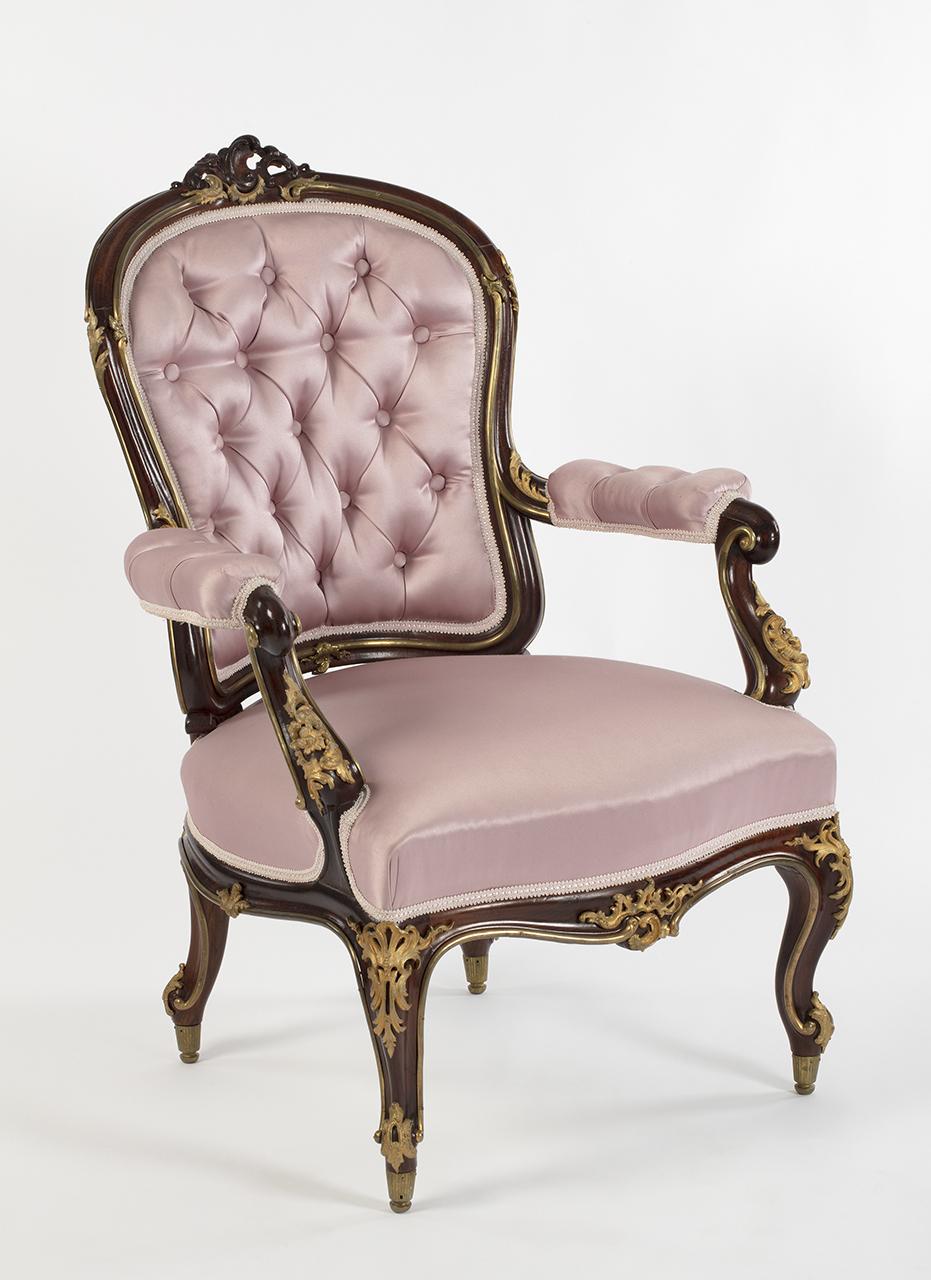
Carved from walnut, decorated with shell mouldings and metal inlays, the armchair is one of Queen Elizabeth's pieces of furniture from Gödöllő Castle. Made in the second half of the 19th century, it was transferred to the Presidential Palace of the Republic after the Second World War, and from there to the National Museum with an official transfer.