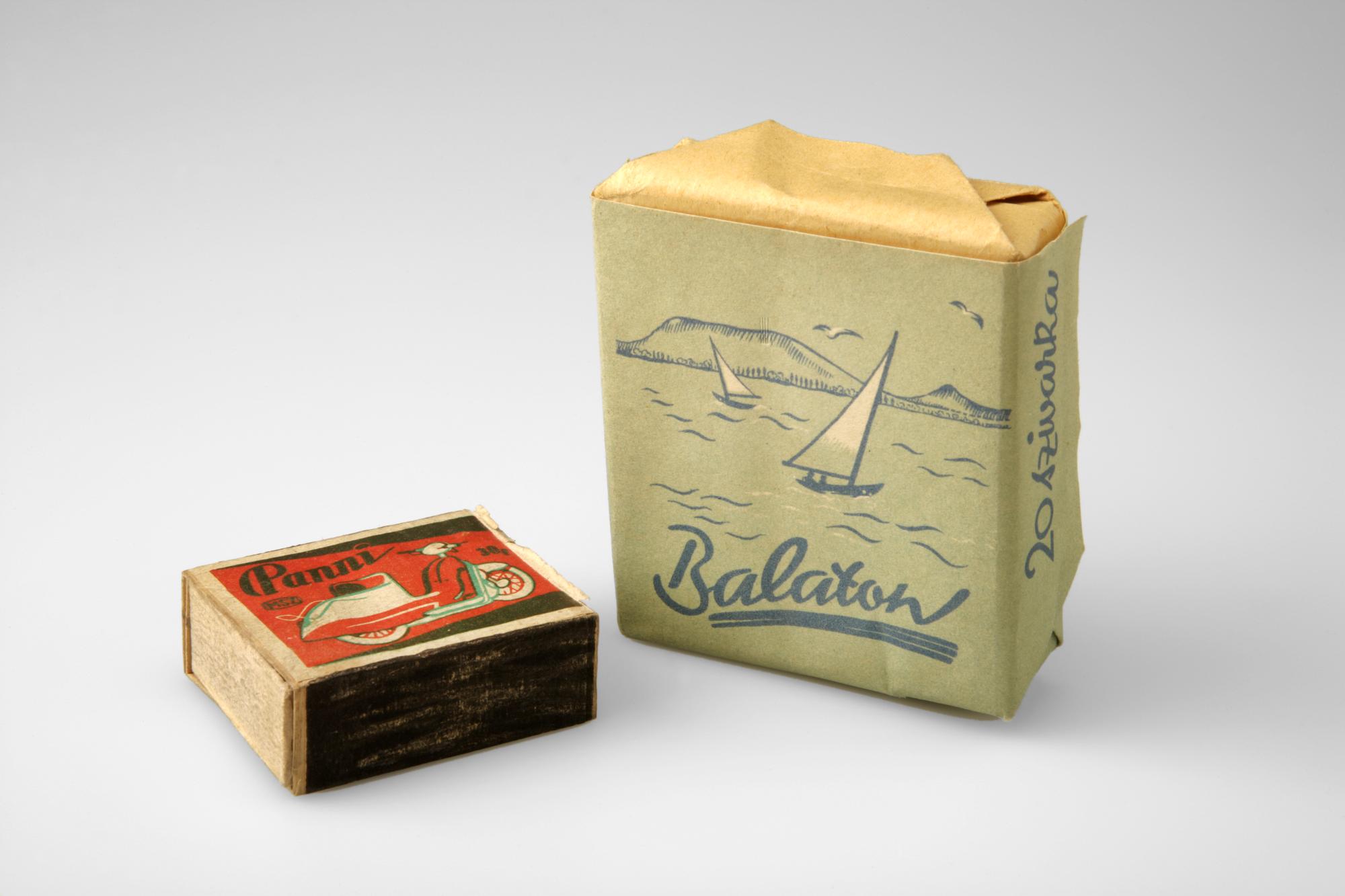
One of three closely related collections. Its first objects were added in the 1950s and the collection, together with household utensils and recent furniture, spans the domestic material culture of the second half of the 20th century. It is also closely linked to the Collection of Unique Objects, which includes glass and ceramic memorabilia from the representative legacies of social movements, political ideologies or emblematic personalities. The vast majority of the objects, however, are accurate reflections of the modernisation of the country, when society underwent a huge change: many people moved to new homes and broke with old, traditional ways of life, and many replaced articles inherited from grandparents with new, modern, contemporary ones. The museum collection keeps track of this shift in lifestyle.
Contact Dr. Klára Kuti, kuti.klara@mnm.hu Tel.
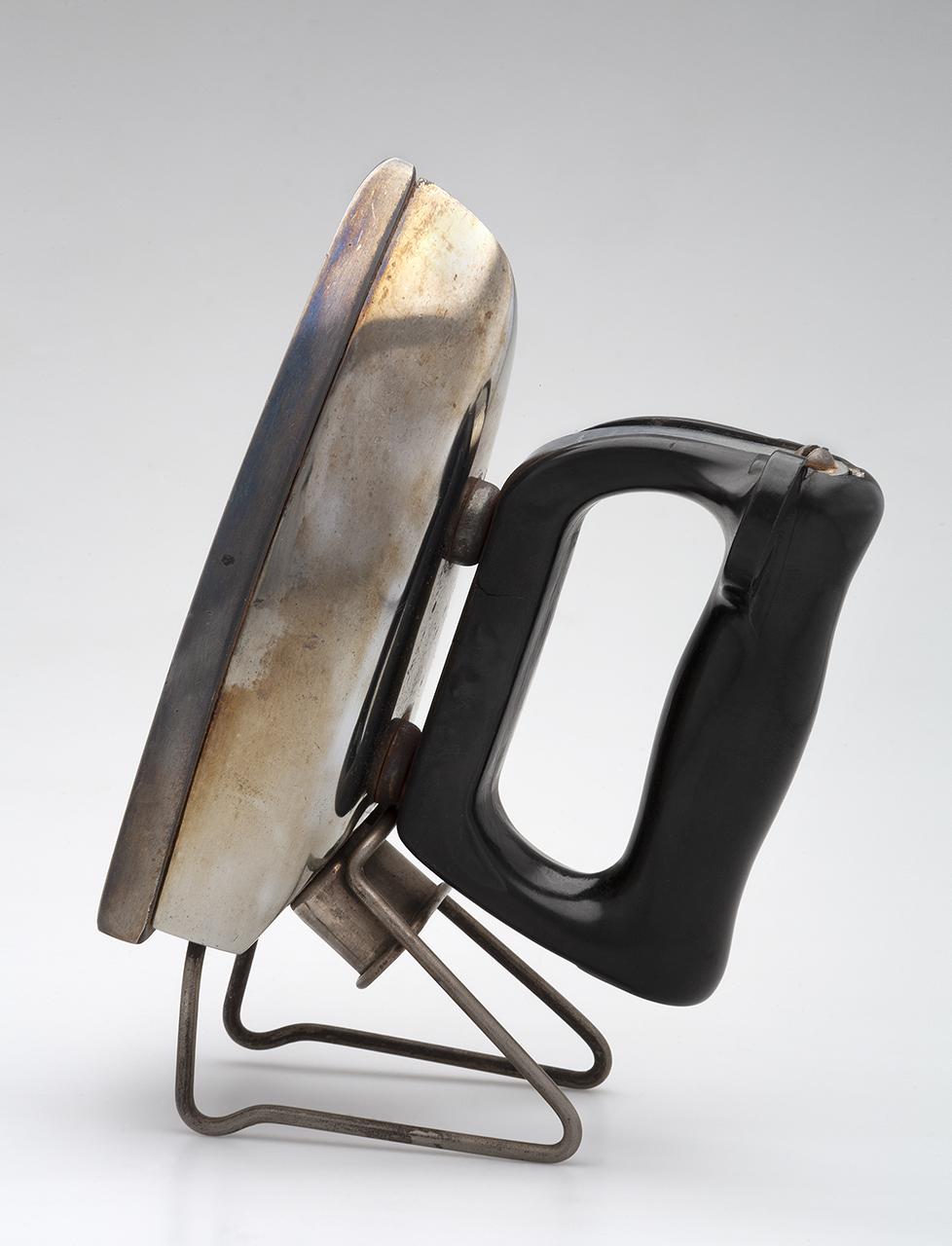
Electric iron manufactured by the Hajós and Szántó Electric Factory from the 1930s. It came into the collection as part of a large household bequest in the 1980s. That was the time when everyday objects from the first half of the century were added.
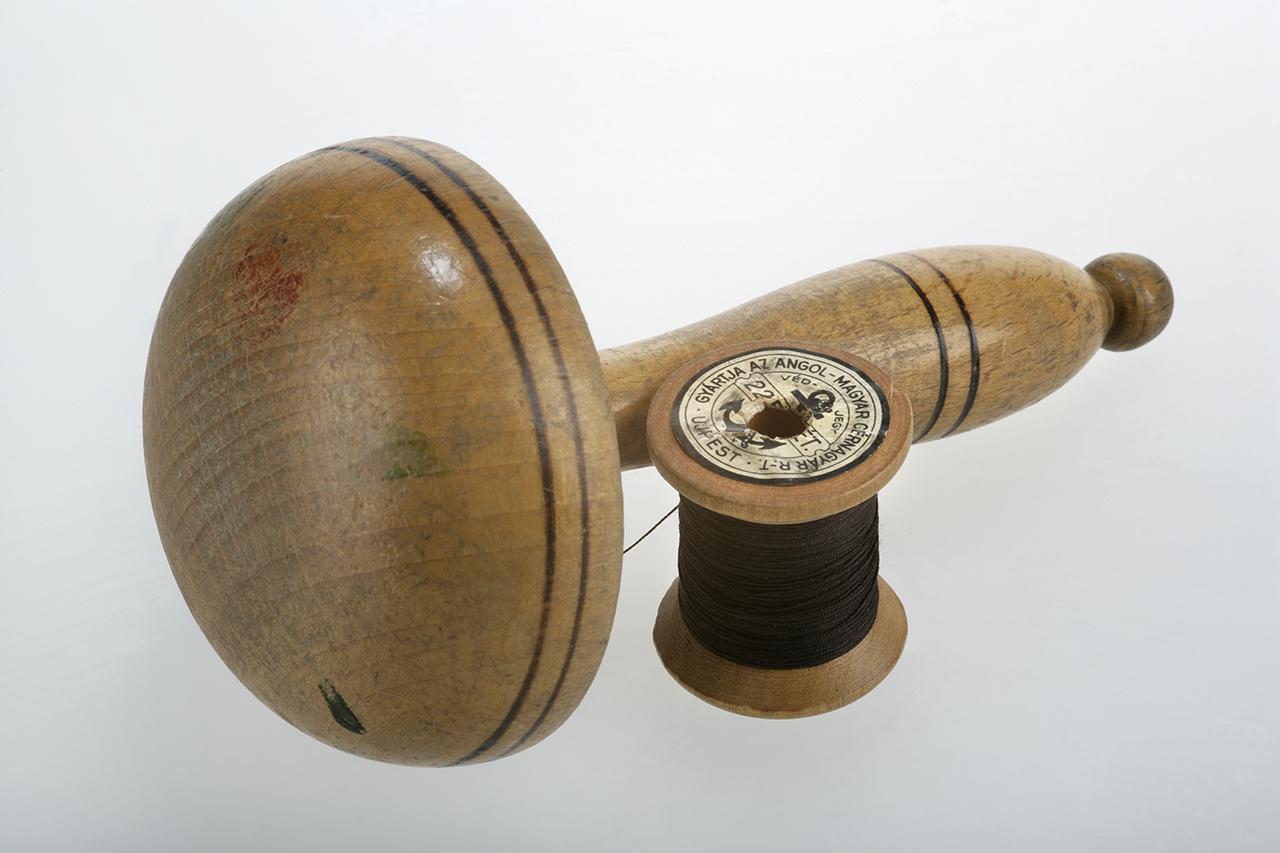
A darning egg and thread are typical household items that are relics of gradually disappearing chores and activities. The collection includes many utensils and tools of domestic work and farming.
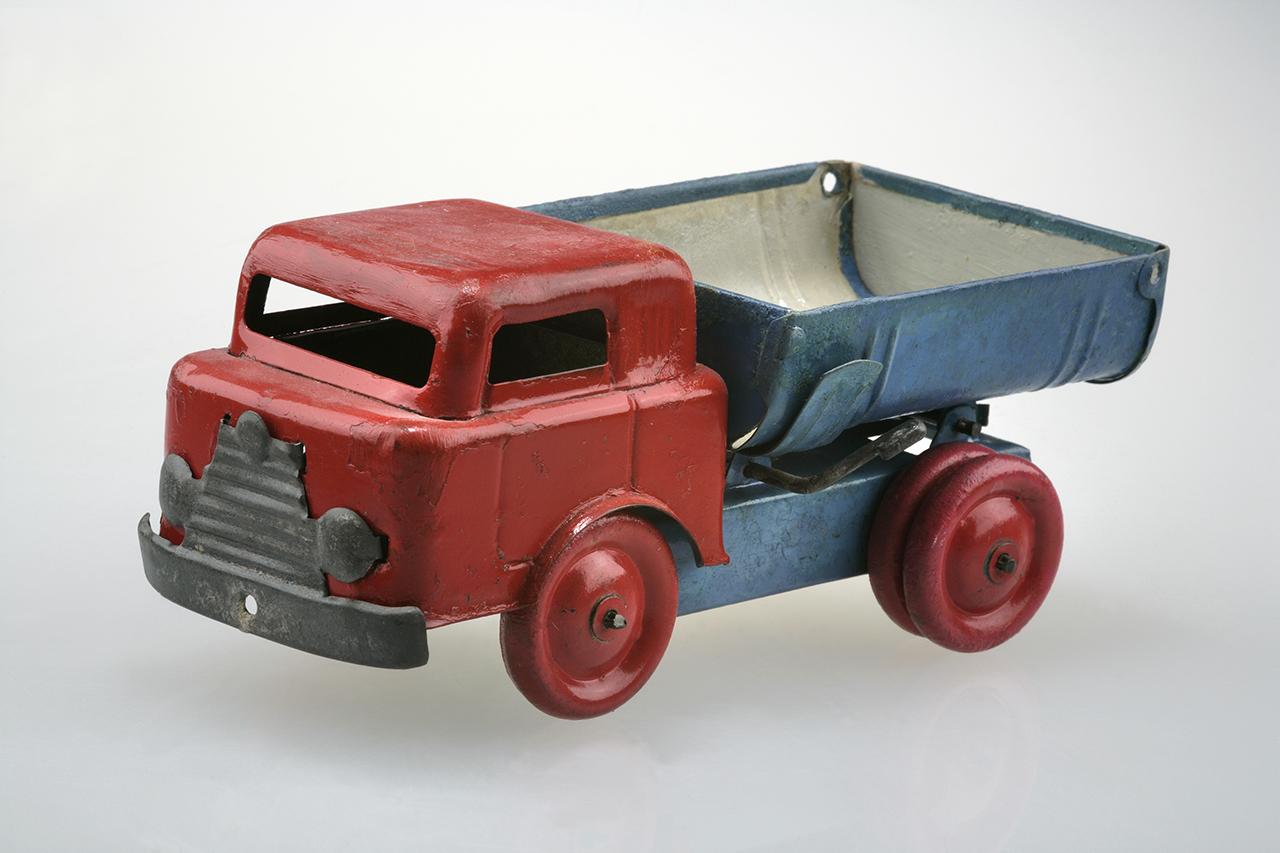
Toy truck made of sheet metal. It arrived at the collection in 1991 as part of a planned acquisition.
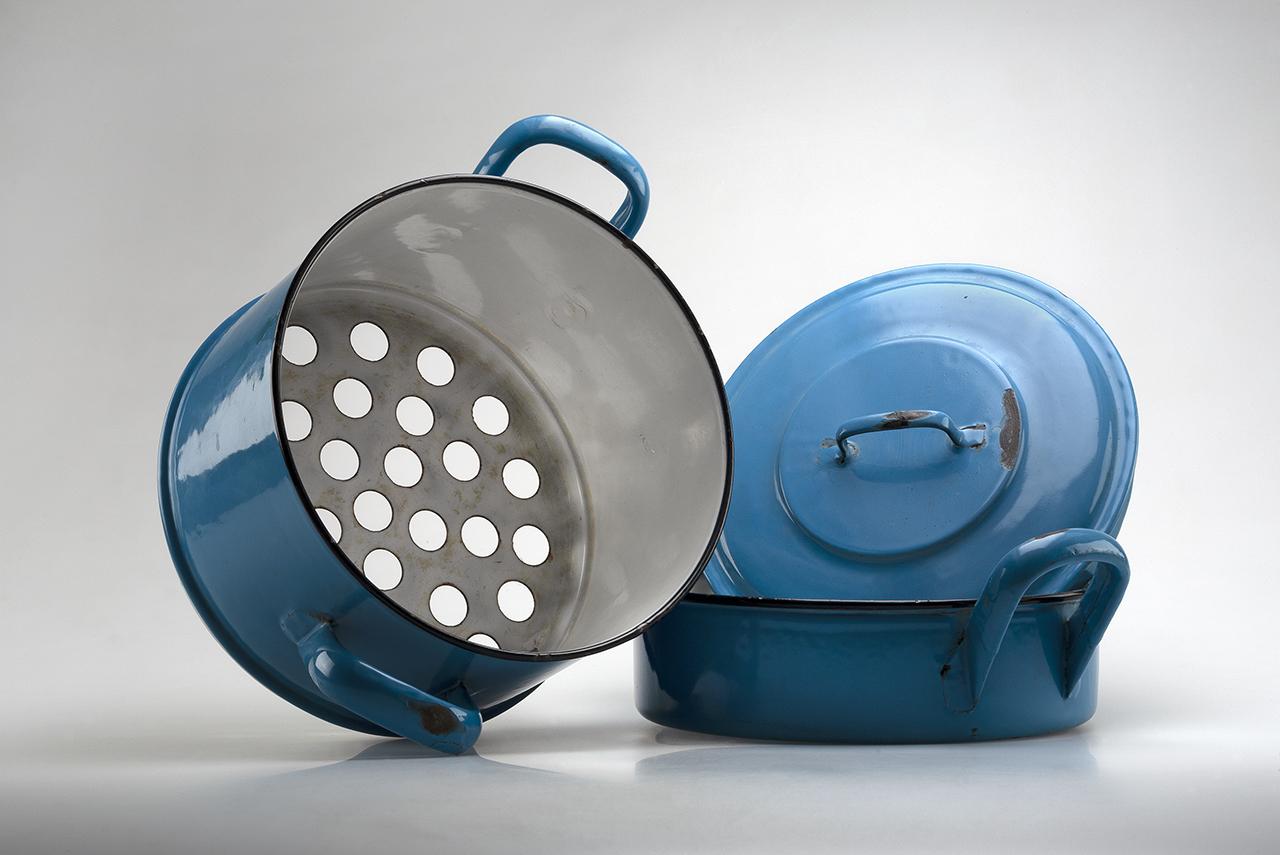
An enamelled two-piece vegetable steamer, a staple of the ever-recurring reform cuisine from the 1930s.
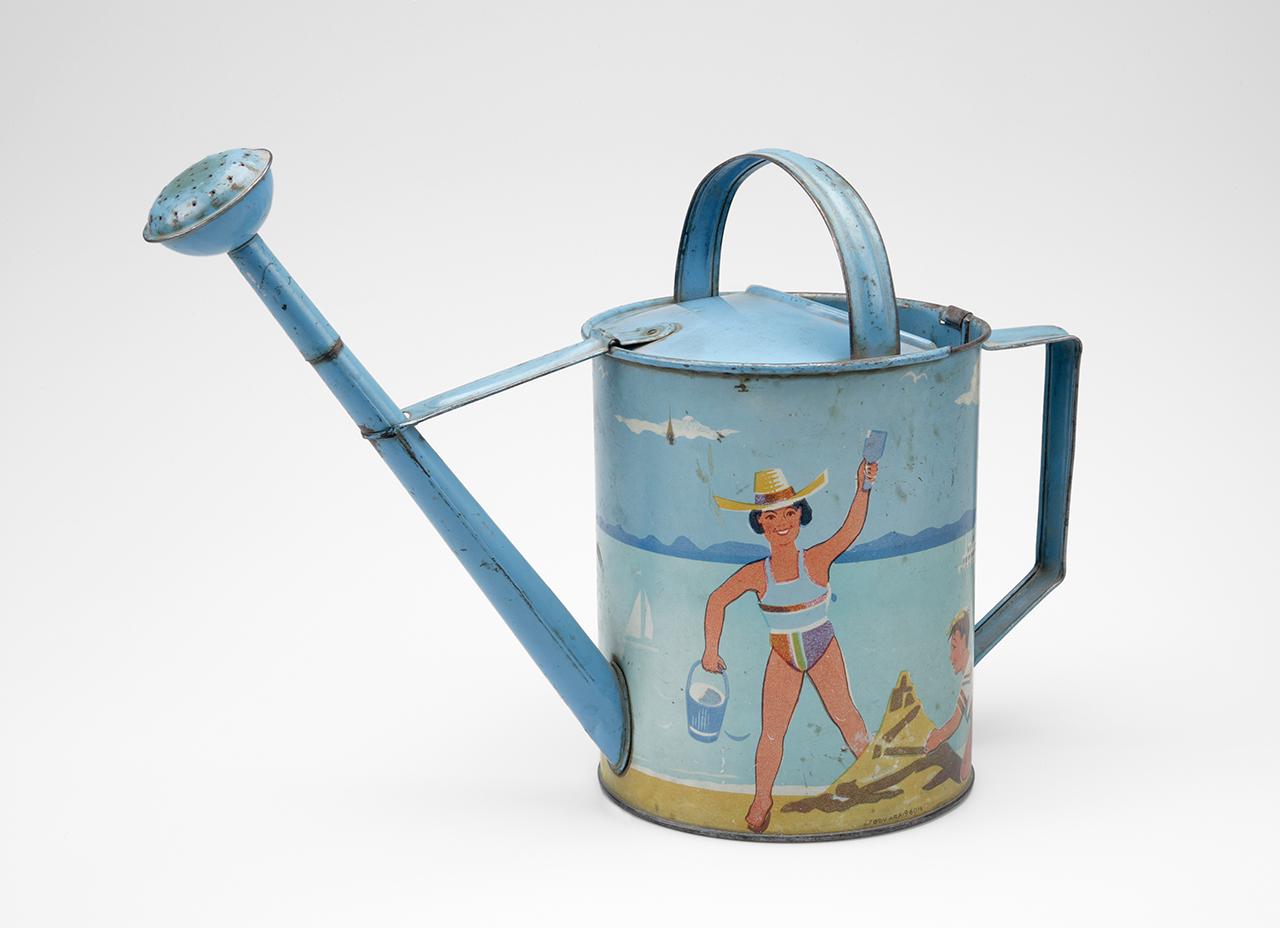
Toy watering can, made of enamelled sheet metal, from the second half of the 20th century.
The collection has been collecting everyday objects since the 1970s.