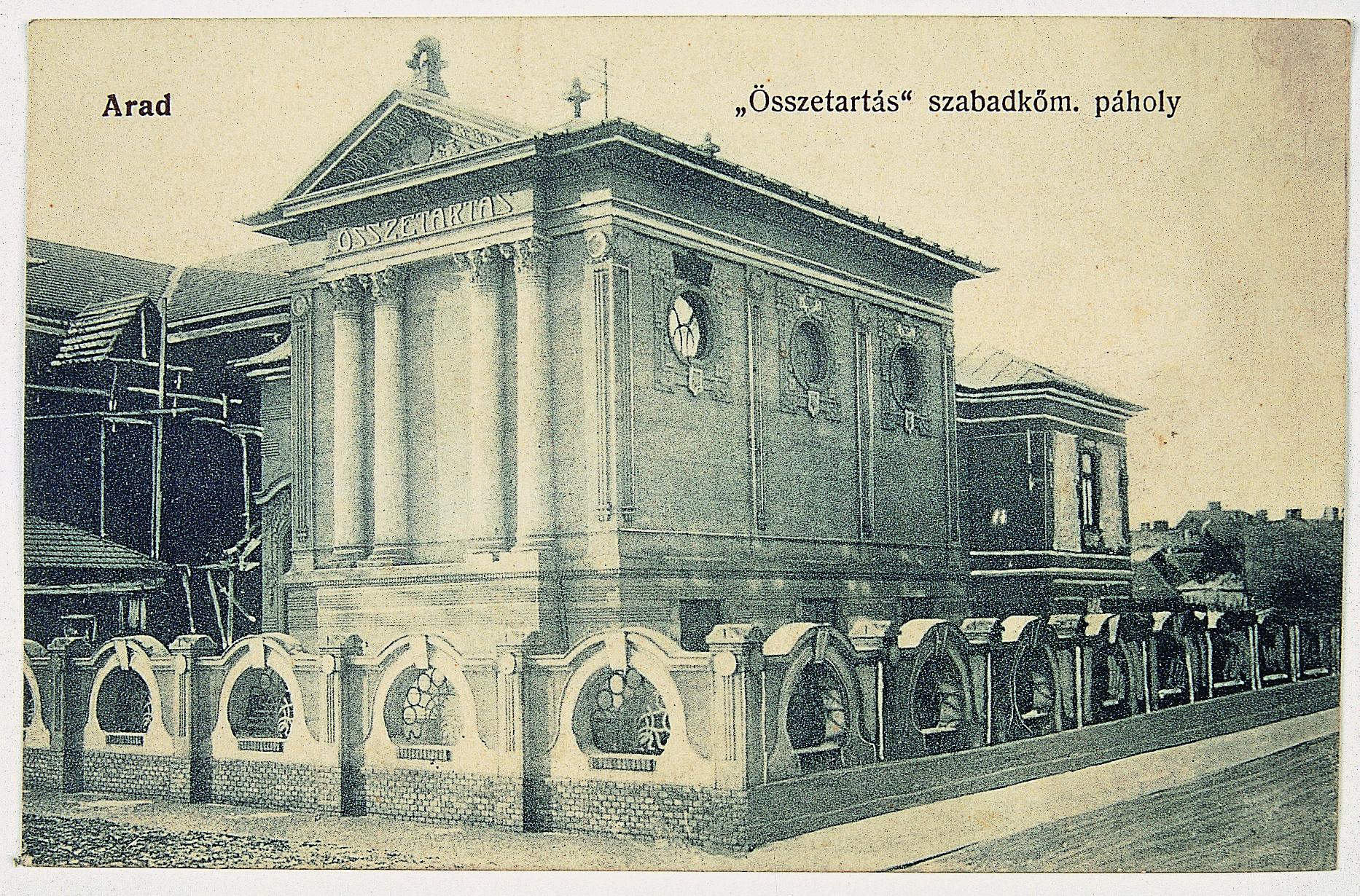
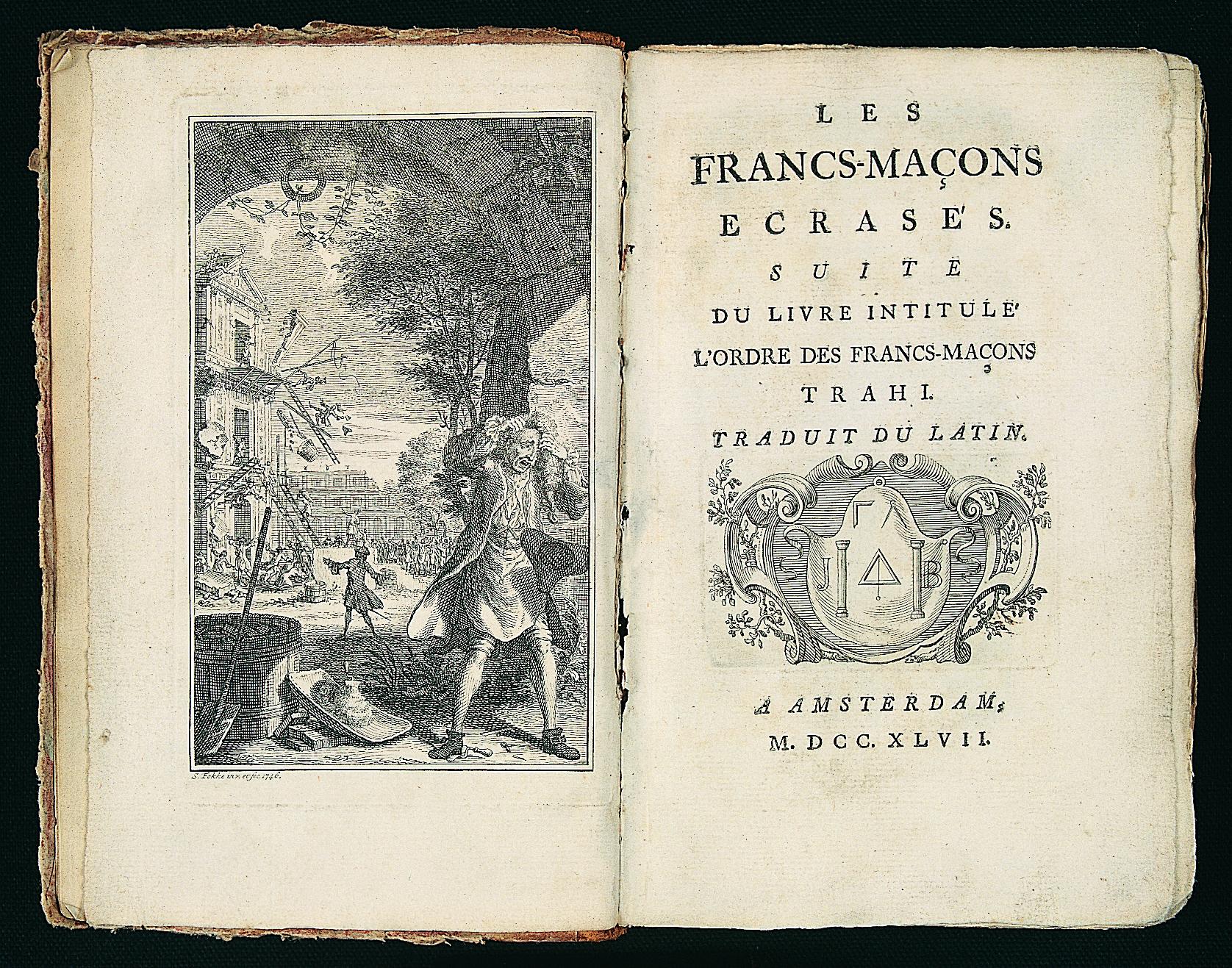
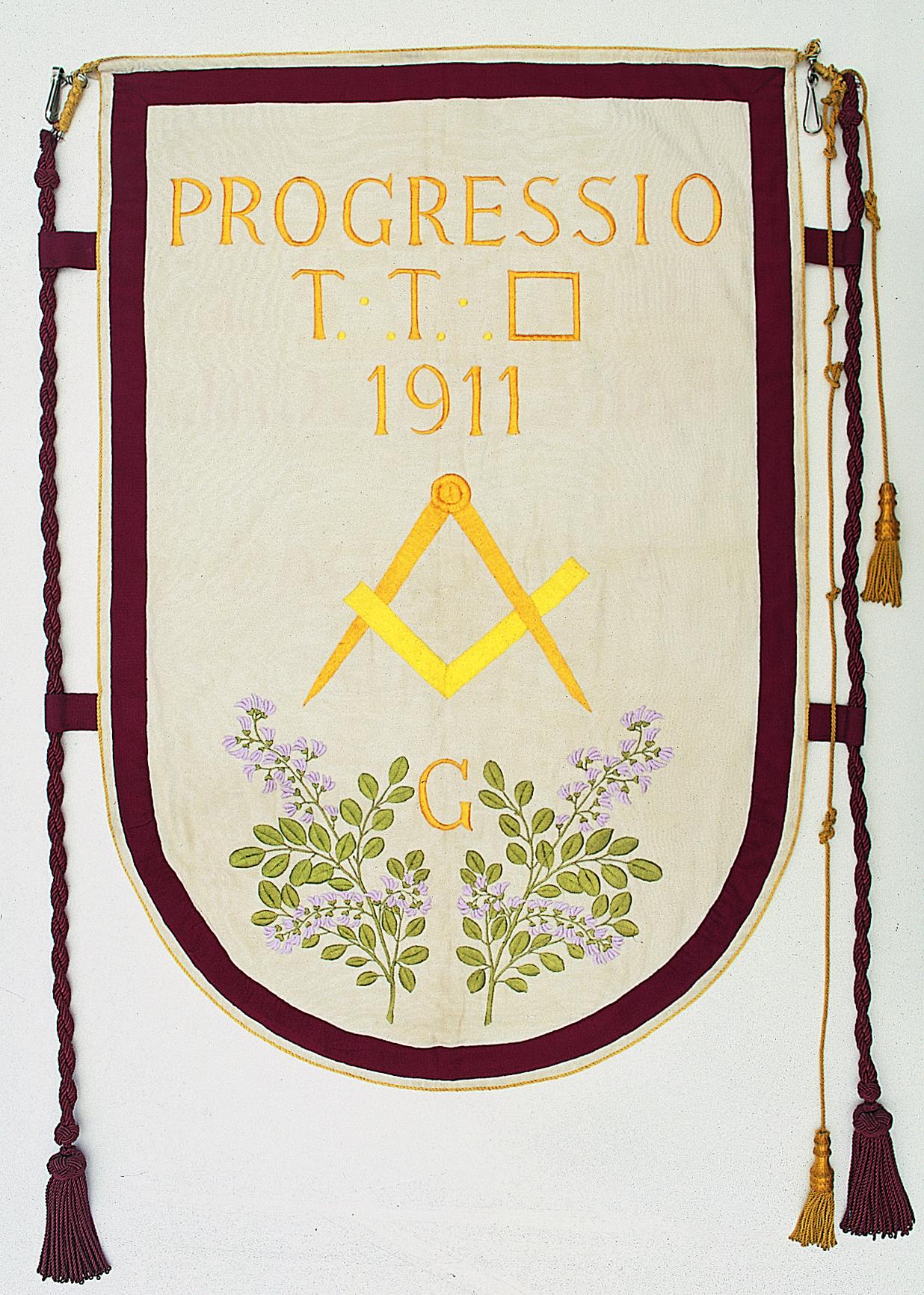
One of the youngest collections of the museum. Since the second half of the 19th century, the National Museum has sporadically received Masonic objects and documents, primarily through inheritance, purchase or donation. Three significant “waves of growth” led to the emergence of a self-contained collection, marked by the years 1928, 1950 and 1981. The collection follows the history of the Hungarian Masonic movement spanning three centuries. In 1981, the purchase of the private collection of Miklós Auer led to the establishment of the museum collection, which includes hundreds of glass cups, seal presses, stamps, photographs, books, pictures, engravings, documents, prints, textiles, leather aprons, leather bags, plaques and badges.
Since 1987, the museum has regularly featured Freemasonry in its historical exhibitions and publications. First and foremost, in the permanent historical exhibition presenting the history of Hungary, indicating that the history of Freemasonry – although to different degrees in different periods – is an integral part of Hungarian history from the Enlightenment to the present day. The collection had its independent presentation and exhibition in Brussels related to the Europalia Hungaria event series at the invitation of the Musée Belge de La Franc-Maçonnerie in Brussels in the winter of 1999.
More detailed information can be found in the individual volumes of the historical yearbook of the Hungarian National Museum, Folia Historica.
Contact: Dr. Klára Radnóti, radnoti.klara@hnm.hu, phone: +36 1 327 7716
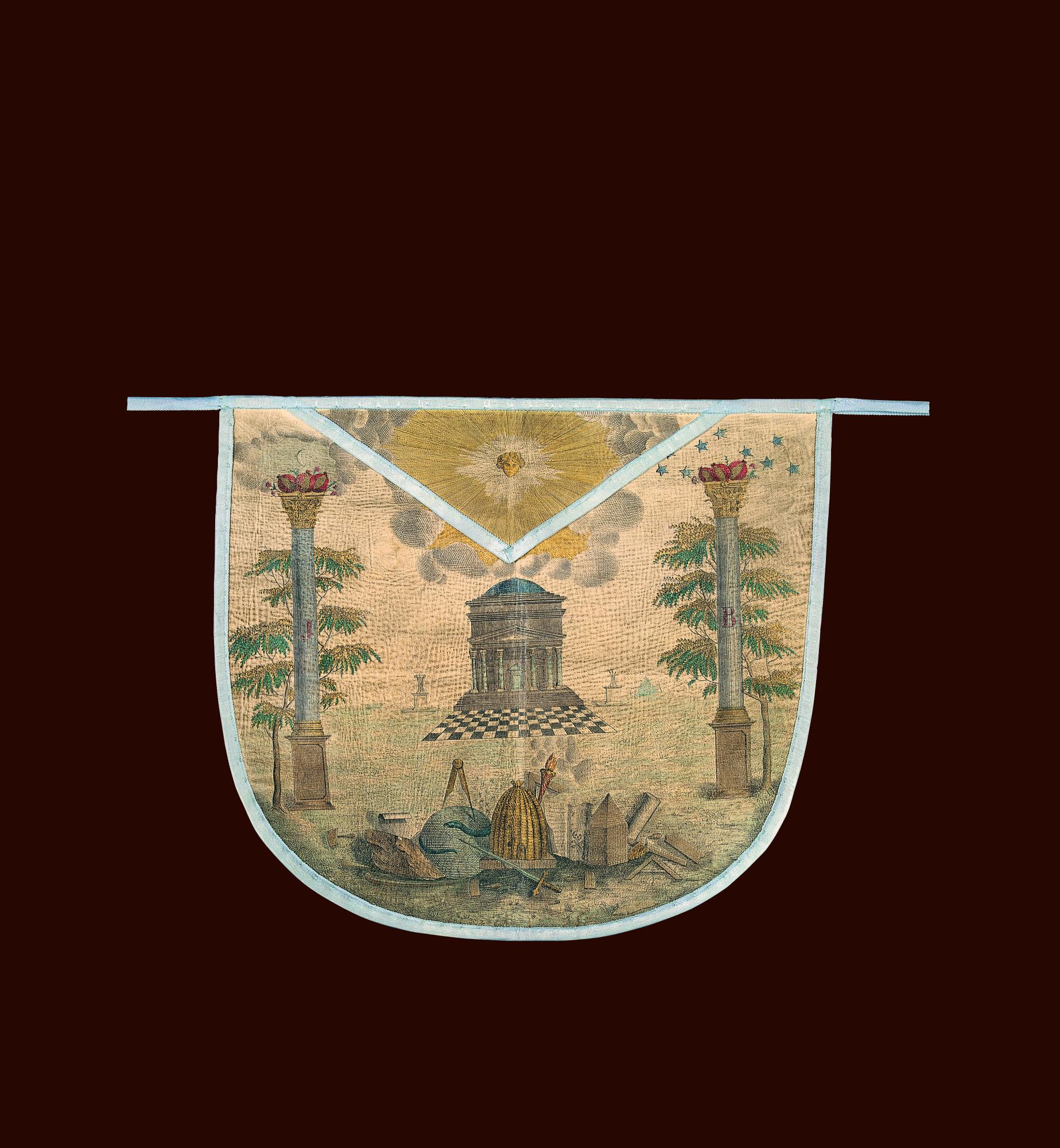
Masonic apron from the second half of the 18th century. Made of white goatskin, lined with black cotton fabric, decorated with colored copper engravings.
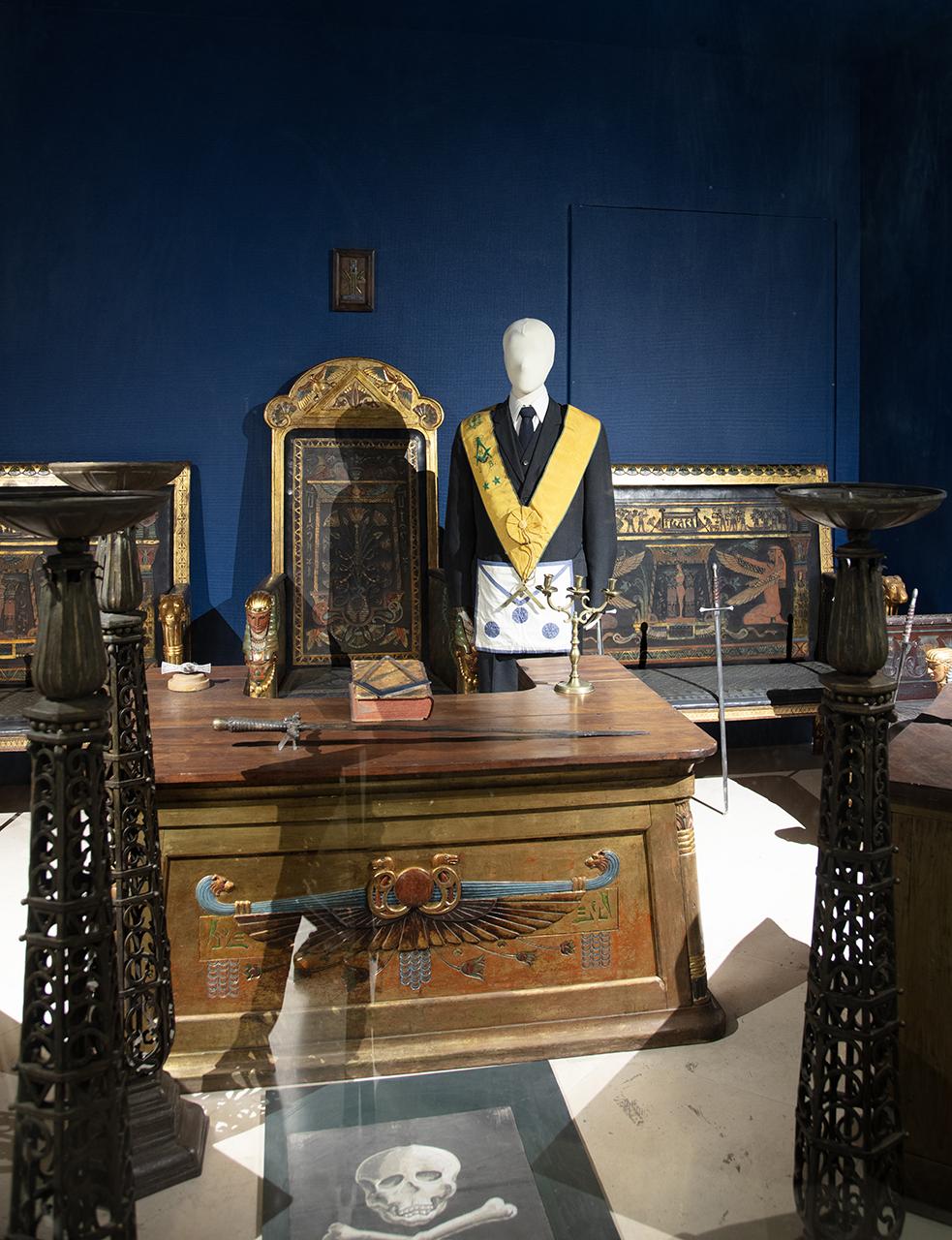
Interior from the end of the 19th century: pieces of furniture, furnishings and objects of the “Hungarian Symbolic Grand Lodge” (1886), uniting the Hungarian Masonic lodges. The reconstruction of the lodge interior was executed using on the artefacts of the Hungarian National Museum and the Grand Lodge’s ritual book.