The Paleolithic Collection has more than 40,000 inventory items. It contains two of the three Bársony House finds that started the Palaeolithic research in Hungary, the Vértesszőlős caveman (Homo heidelbergensis), Samuel's occipital bone, and other finds from famous Hungarian sites, such as the Szeleta Cave, the Istállós-kői Cave, the Suba-lyuk Cave, and the uncovered sites at Bodrogkeresztúr, Ságvár, Tata and Mogyorósbánya. The internationally renowned collection is regularly researched by scholars both from Hungary and abroad.
Contact: Dr. György Lengyel, lengyel.gyorgy@hnm.hu
The 40,000-year-old rock cave of the Istállós
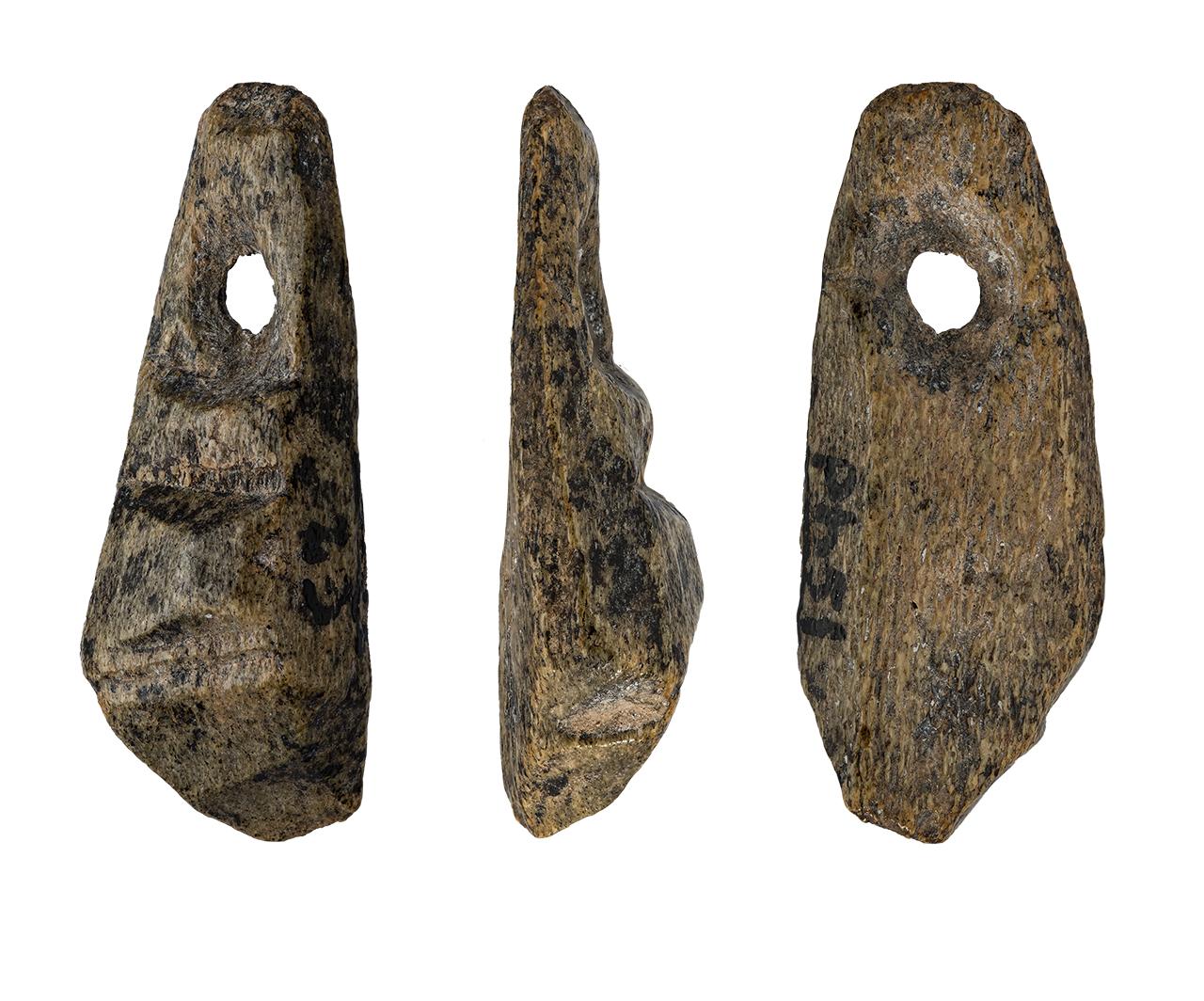
Szeleta Cave, 38,000 years old
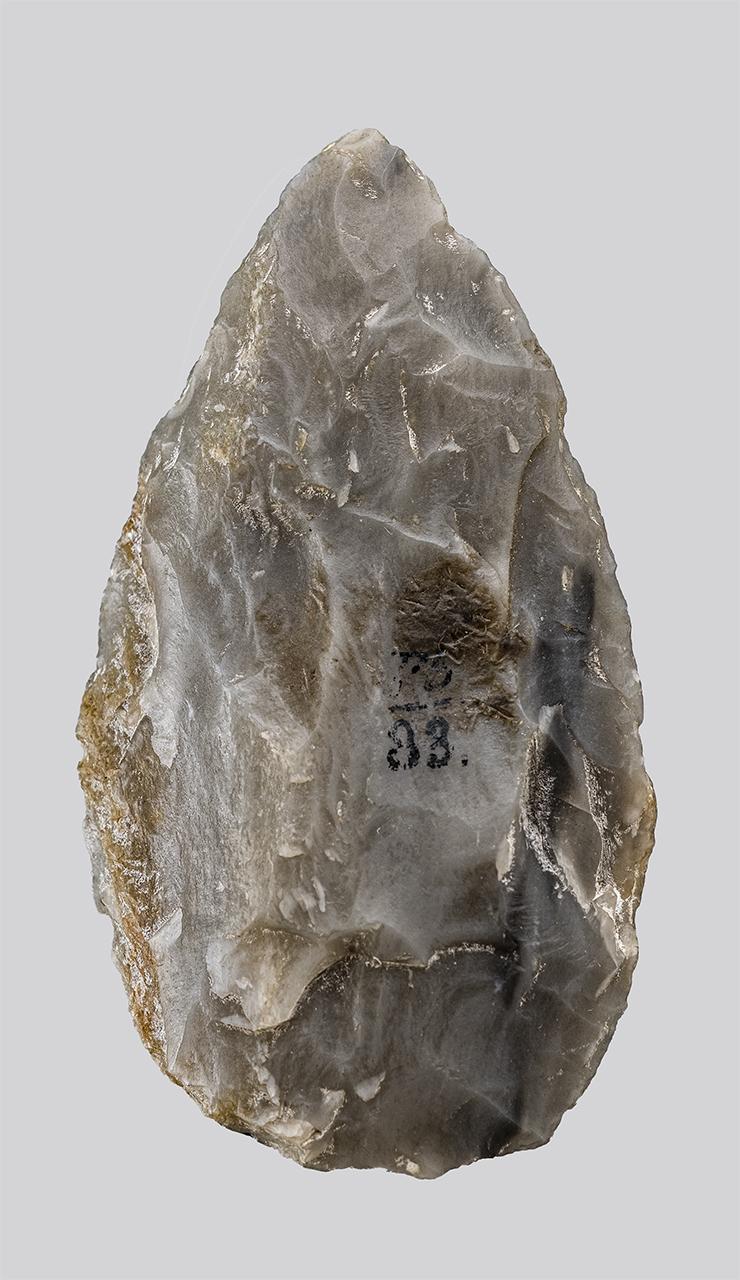
Tata-Porhanyóbánya, 100 thousand years old
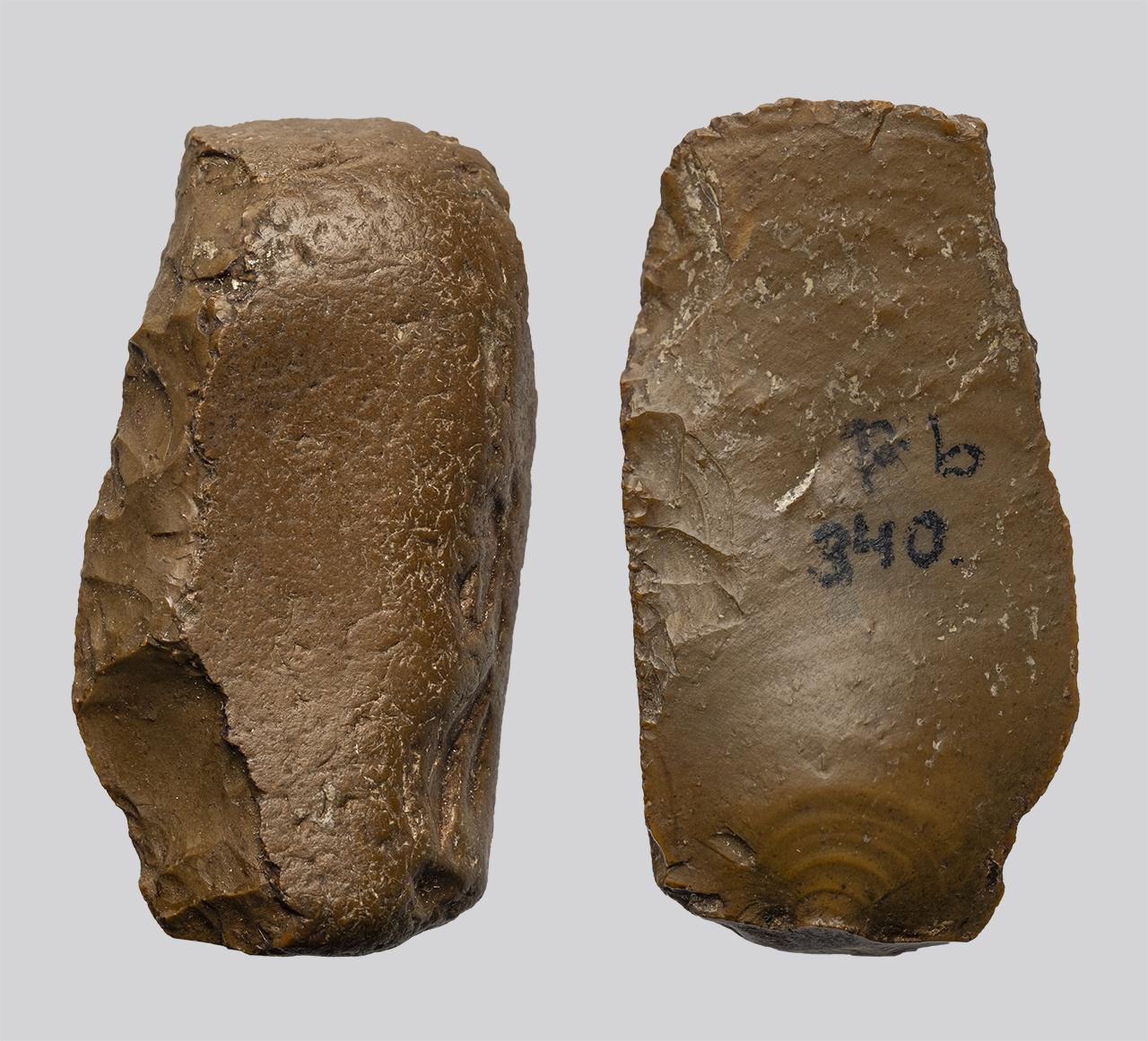
The 40,000-year-old rock cave of the Istállós
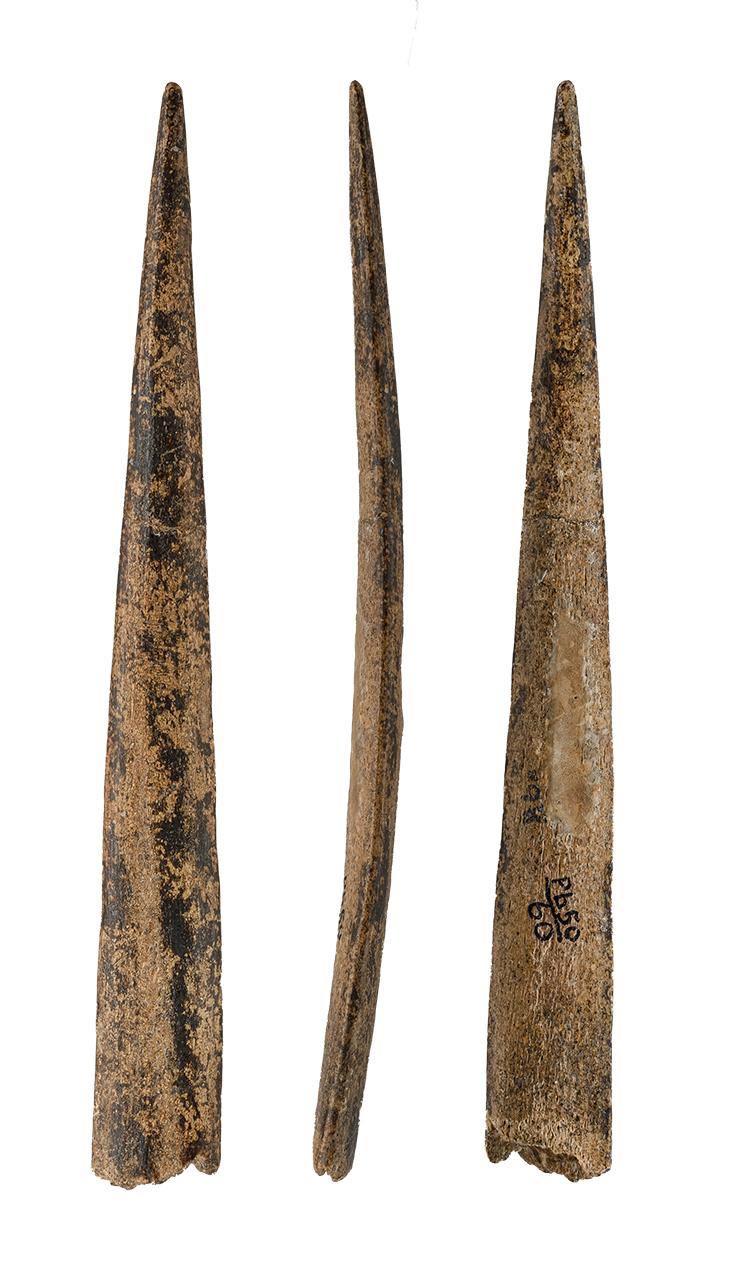
Jankovich Cave, 50,000 years old
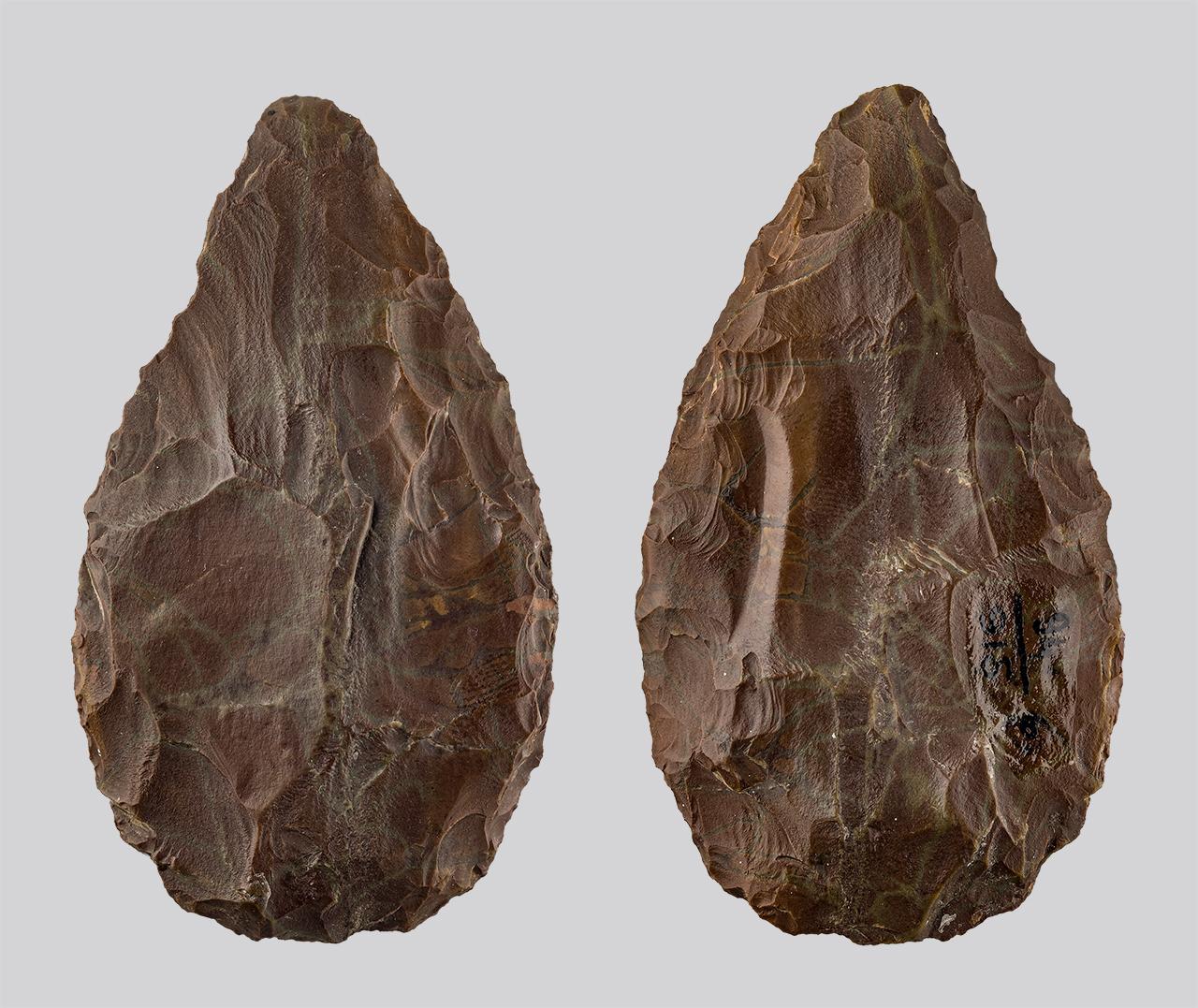
The occipital bone of Samuel from the Vértesszőlős site. Samuel is a specimen of Homo heidelbergensis. He is 320 000 years old.
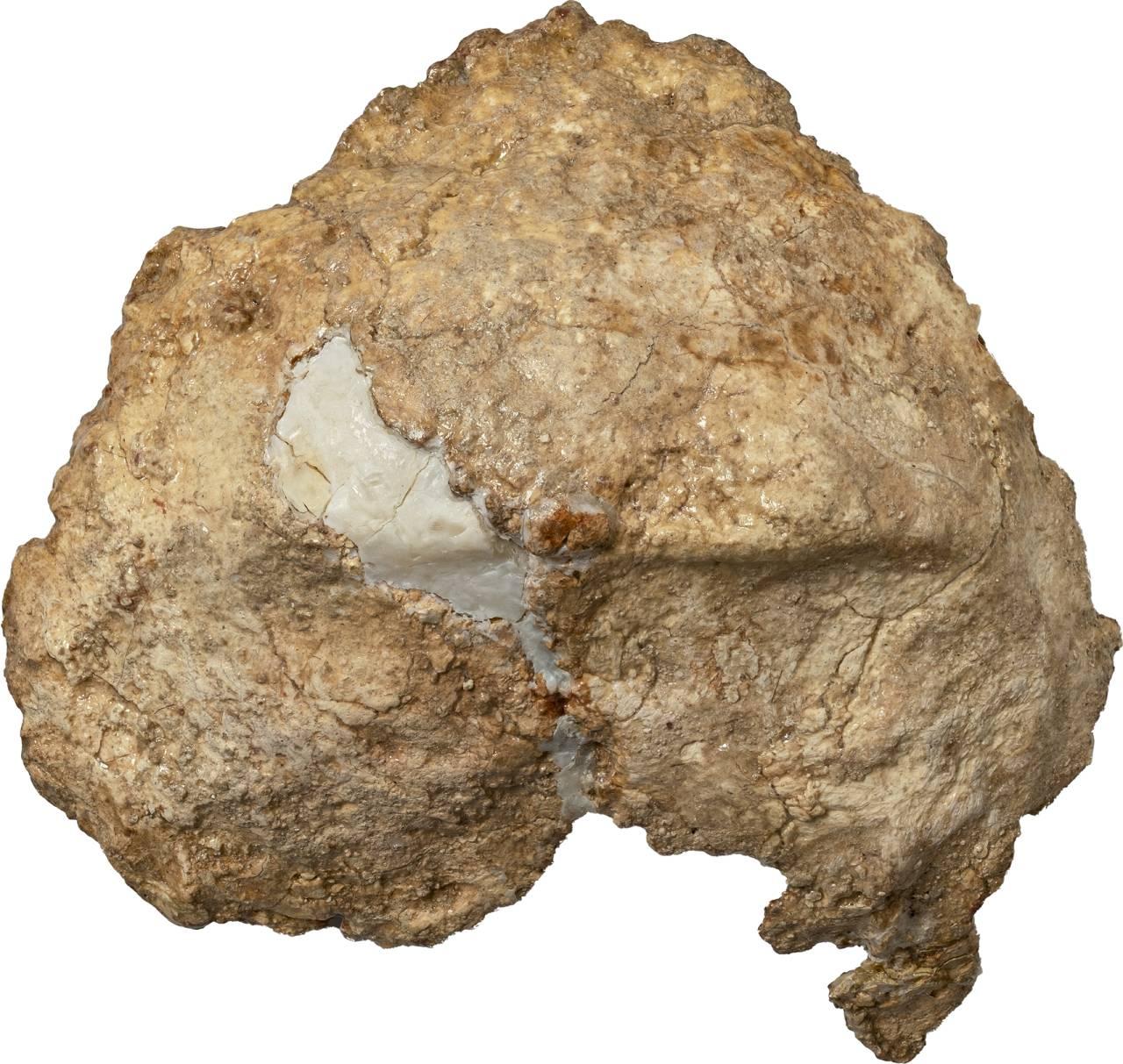
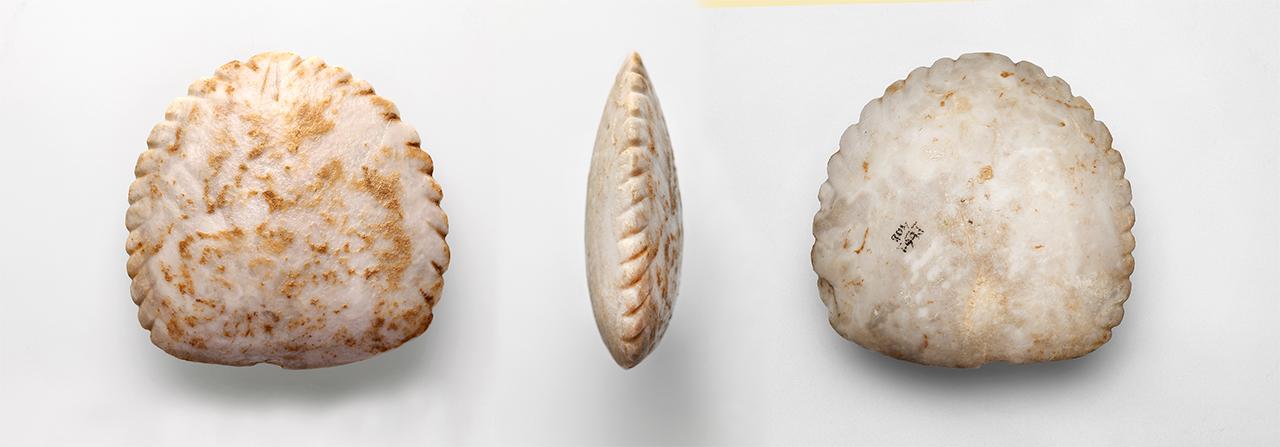
Bodrogkeresztúr-Henye, 29 thousand years old
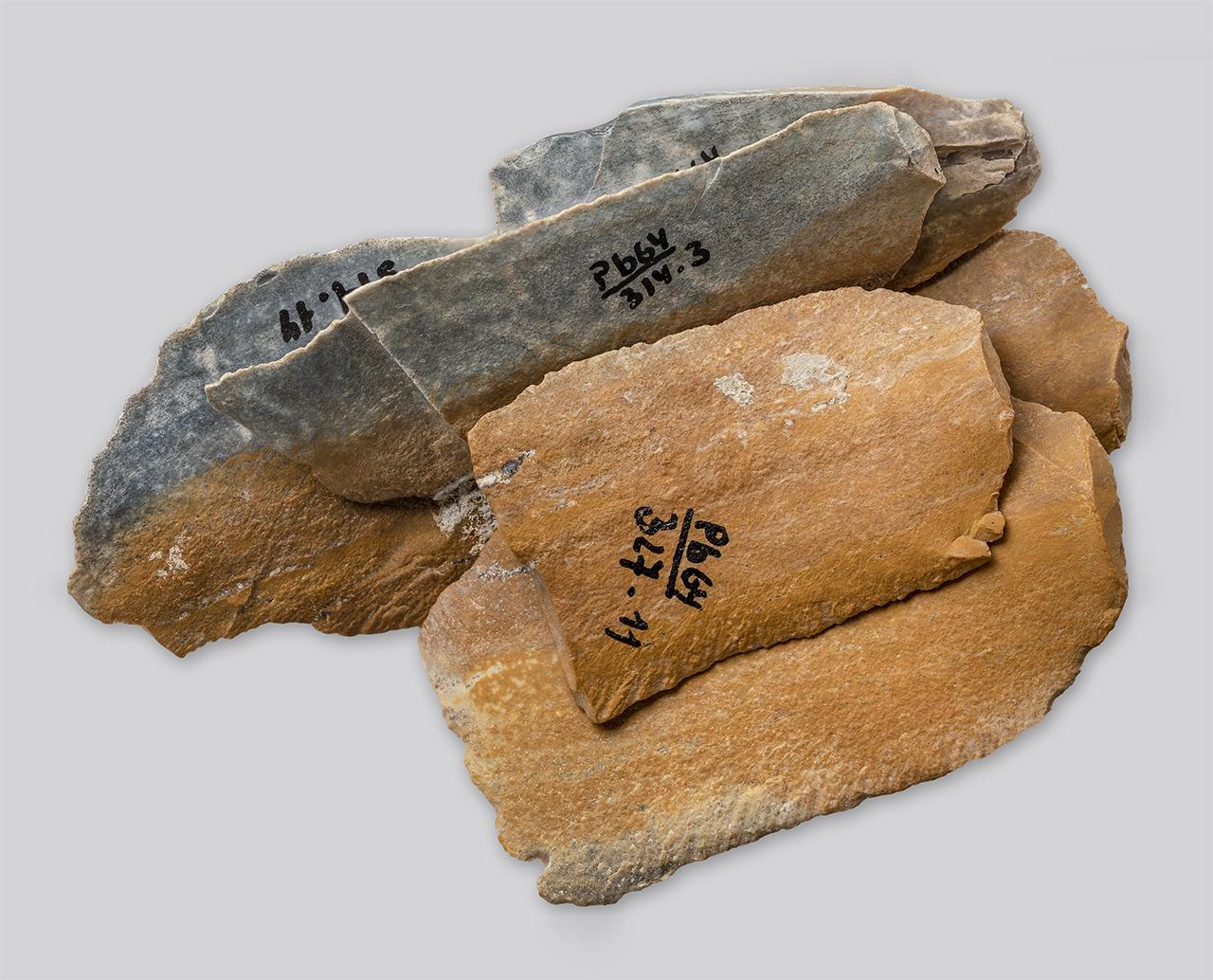
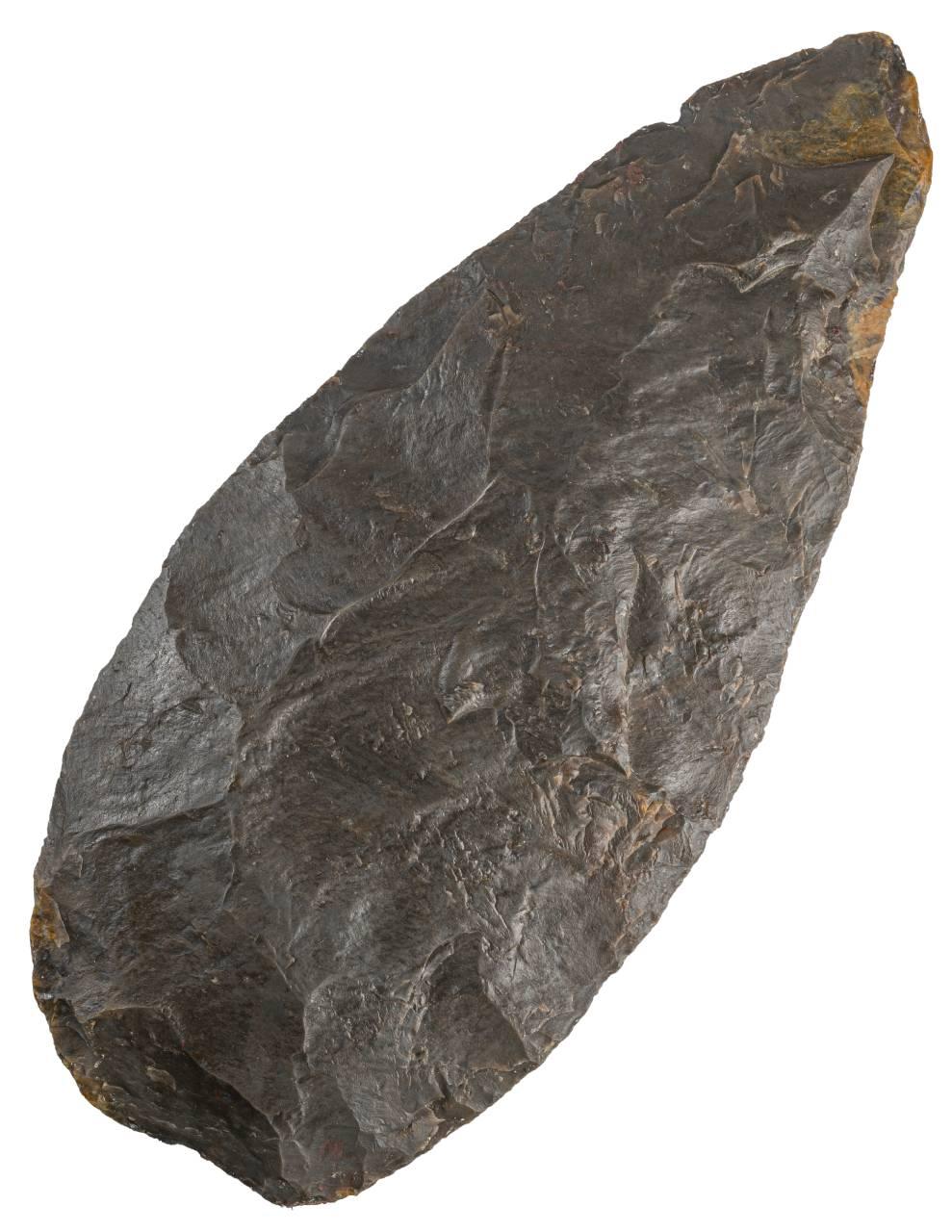
The Bársony House stone hand axe is not really an axe but a leaf-shaped tool. Stone axes are tools of the Lower Palaeolithic (1.6 million–300 000 years) and the leaf-shaped spearhead is a tool of the Szeletien culture (45 000–38 000 years). It was these finds that triggered the systematic excavation of prehistoric (Palaeolithic) sites in Hungary.
A lunar calendar found at the Gravettien site (29 thousand years old) on Mount Gravettien in Bodrogkeresztúr-Henye. A piece of polished limestone pebble with notches on the edge.